
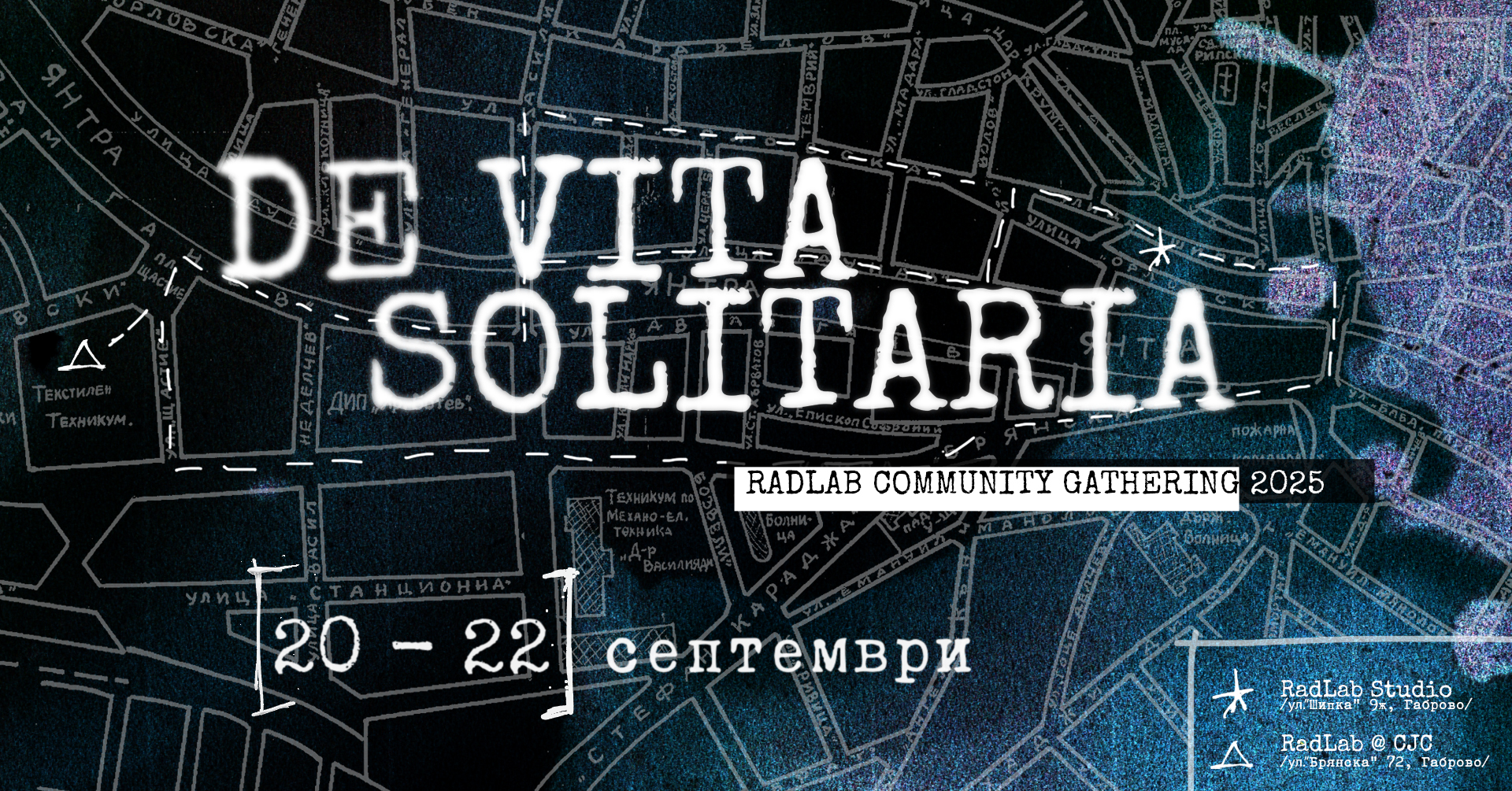
For second year in a row, RadLab Studio hosted an event dedicated to analog and experimental photography in Gabrovo. De Vita Solitaria / On the Solitary Life is an independent festival — a three-day gathering for those who are connected to, or seeking connection with analog photography: artists, enthusiasts, collectors, and explorers of photographic processes. It is both a field for experimentation and a space for contemplation, where analog practice intertwines with personal experience and shared discovery.
This year’s theme, “Solitude” is approached not as isolation, but as a state of attentiveness — of observation and inner dialogue. We explore its creative potential, seeing solitude as a condition that allows one to remain alone with oneself. We ask how this inward gaze reflects on our photographic pursuits and visual language. In a sense, it is also a look back — to a time before social media, when every frame was a discovery found through patience and effort.
De Vita Solitaria brought together dozens of participants through six workshops, three solo exhibitions, four discussion platforms, a photo-book presentation, and an urban intervention — varied in form, yet united by the pursuit of direct and authentic experience. The program explored the boundaries between the personal and the collective, between observation and participation, between solitude and connectedness.
De Vita Solitaria 2025 festival came to life through the initiative of those involved and was realized solely through our mutual support.
photograph: Diana Popova | @bluebottleflower
A Space for Encounters
The festival began quietly — with open doors at RadLab. It’s always a joy to welcome back familiar faces from past events. Yet what delighted us most was the many new ones. The studio became a first stop for everyone — a place to check in, get your bearings, leave your prints for the Print Swap Bazar, or simply sit down with a coffee and a book.
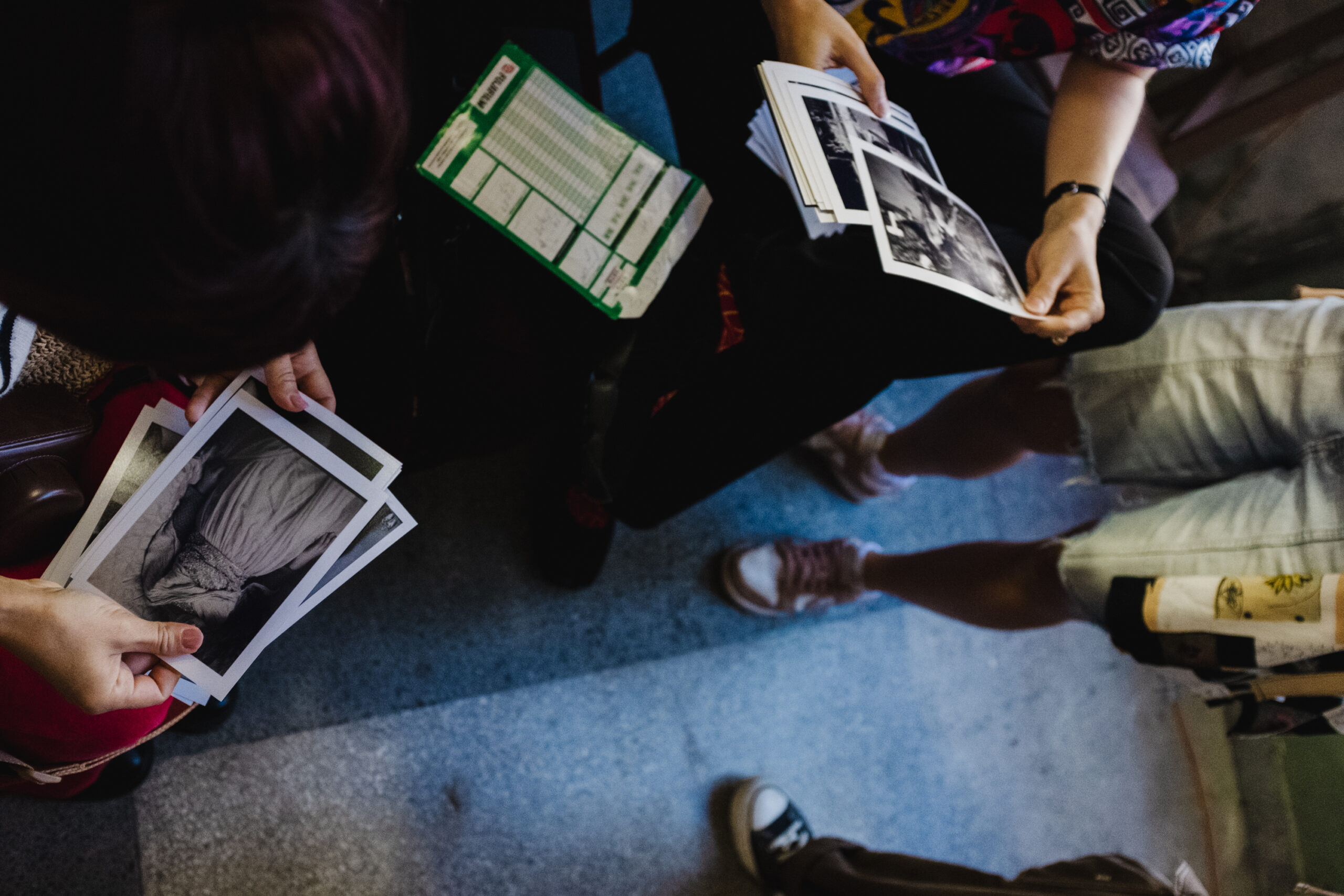
From the very first day, the space began to breathe in its own rhythm — like a small ecosystem. Books from the festival library changed hands, prints were exchanged, curious glances peeked into the lab. The Print Swap Bazaar felt like both a game and a confession. Each print told a different story, yet together they formed a sense of community. The signatures, the techniques used, the packaging — every small gesture carried a trace of human presence.
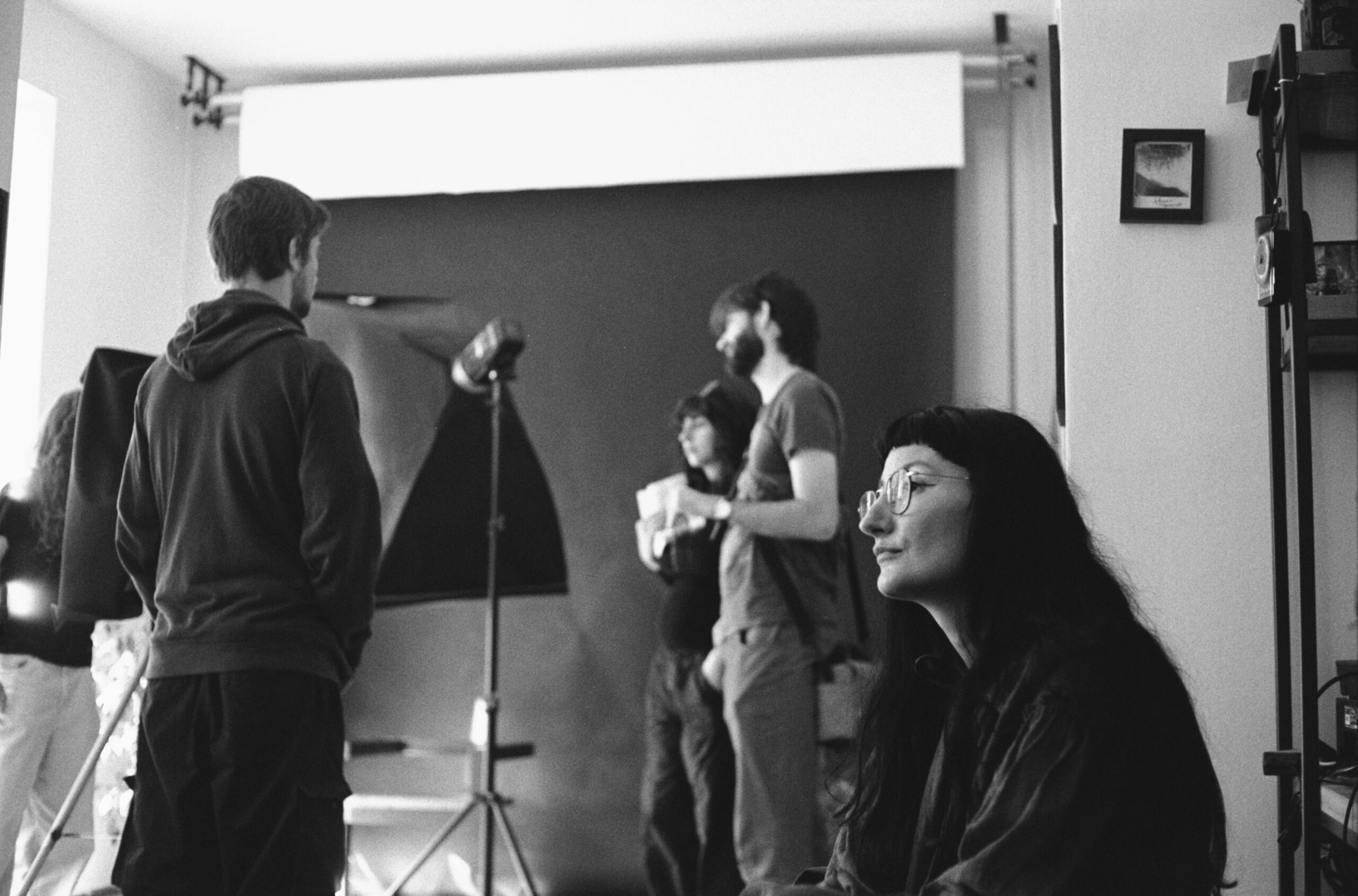
This initial gathering set the tone of the festival — the line between participant and spectator blurred. No stage, no audience, no official opening. Just encounters, conversations, and a slow transition into the next events.

photograph: Eugene Zagidullin | @chicorymantis
photograph: Ivelin Penchev – Ivichа | @ivich_
photograph: Diana Popova | @bluebottleflower
Workshops with Impurities
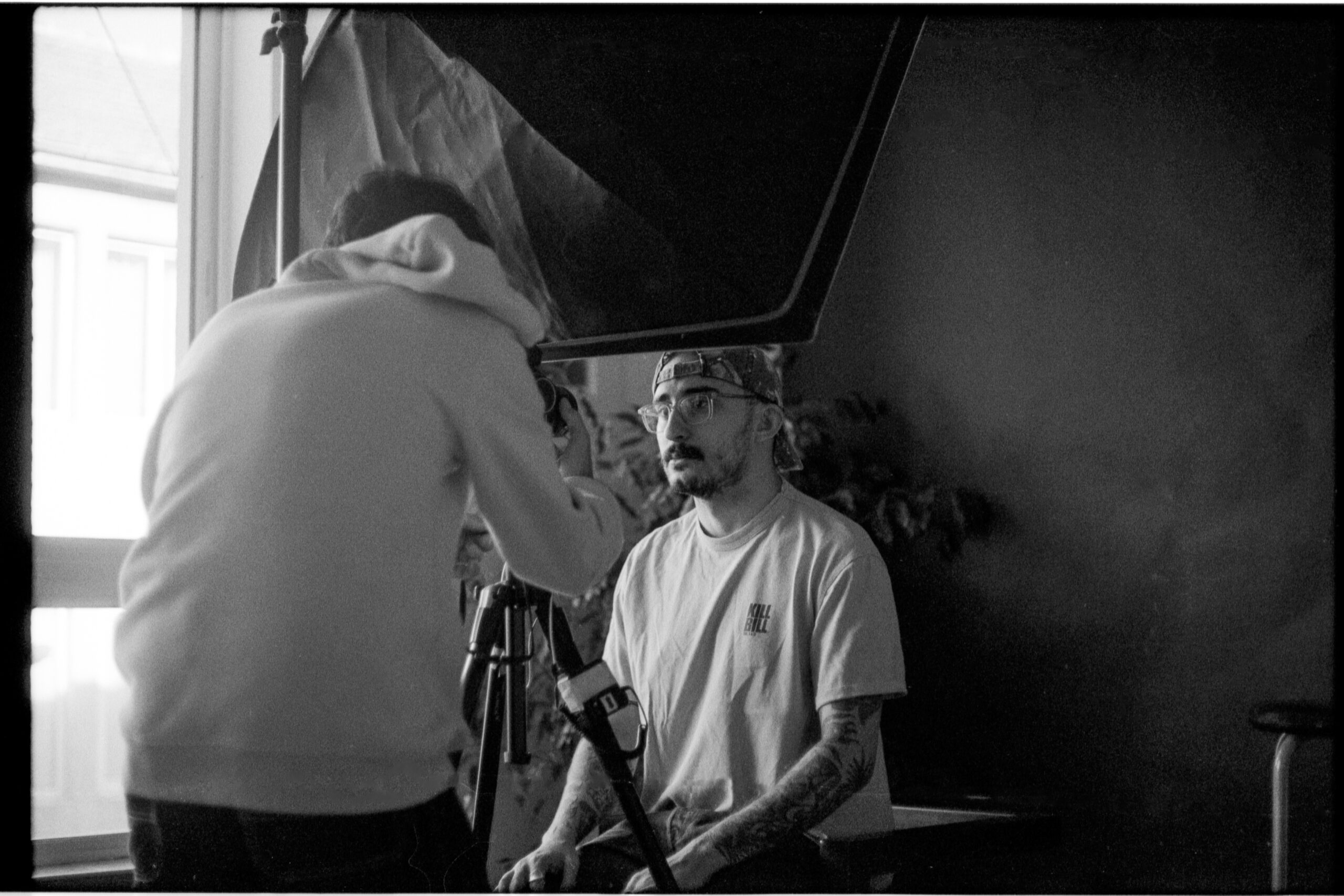
During the open-door sessions, the first stage of the workshop Town of Abidance began. Each participant who came to register for the festival was photographed on film — a kind of portrait of presence. The act of photographing became a shared experience: those being photographed often were going behind the camera afterwards, and roles shifted constantly. The mentors — Nikola Dyulgyarov, Stefan Ivanov, and Erol Kerim — oversaw the film developing process in the lab.
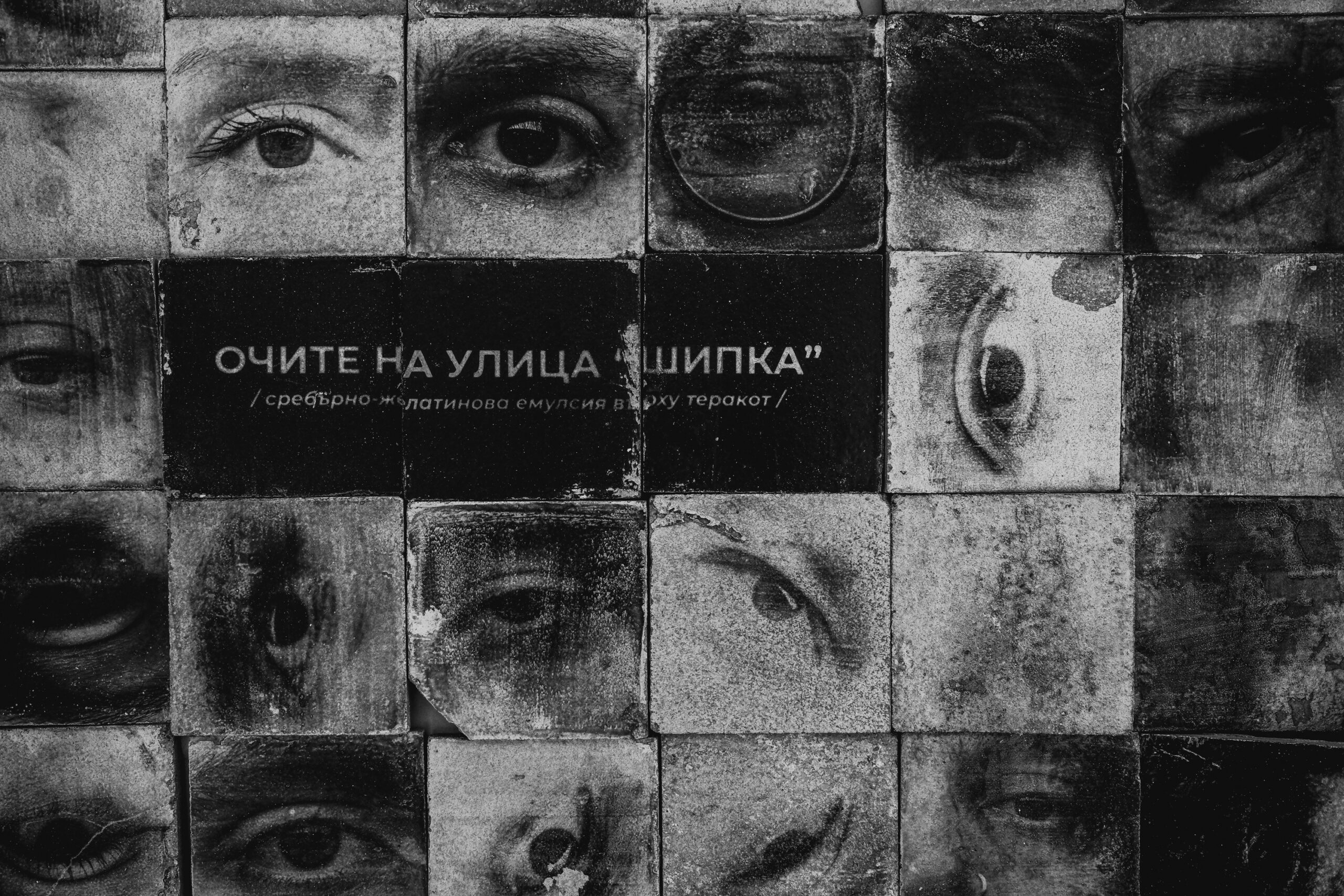
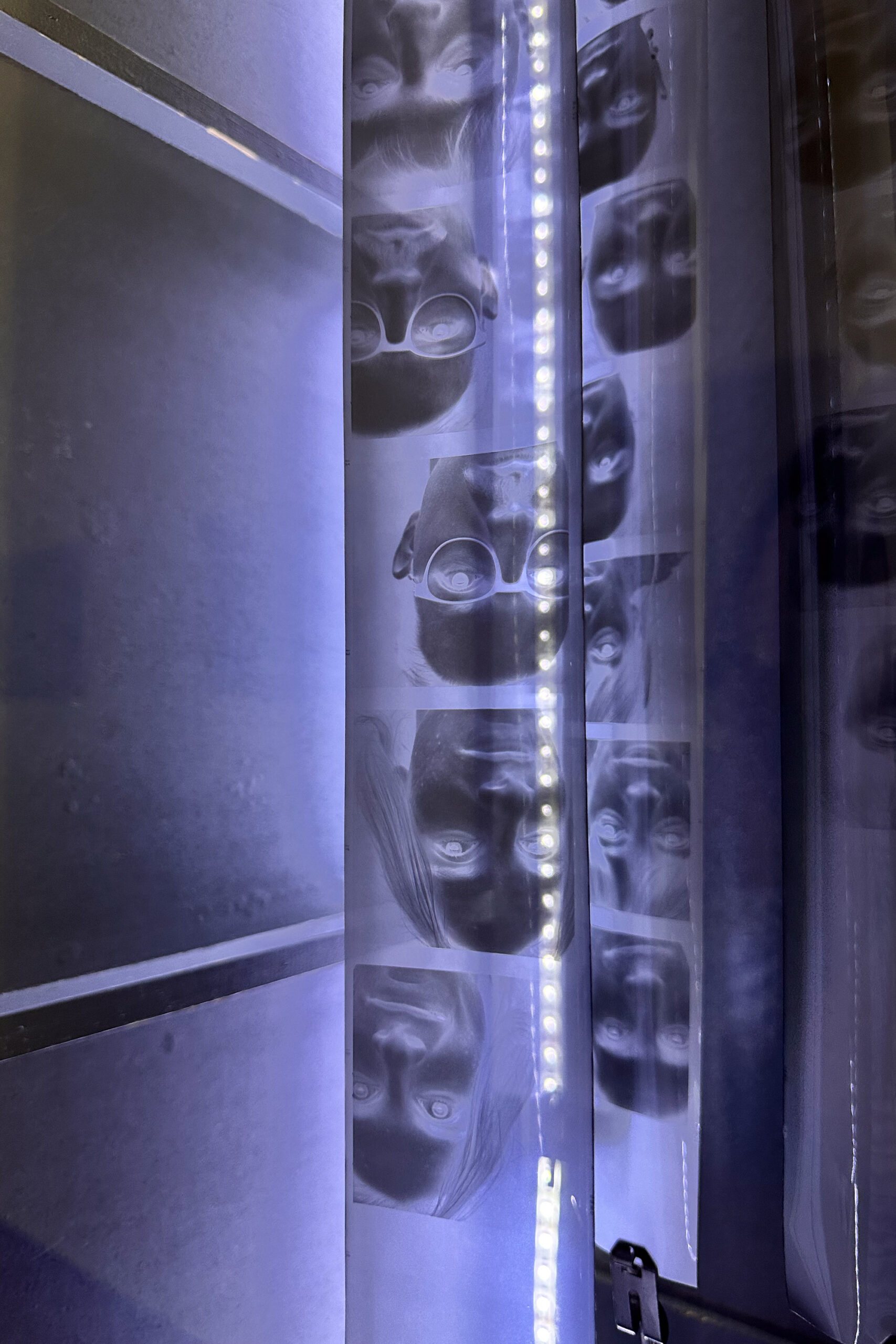
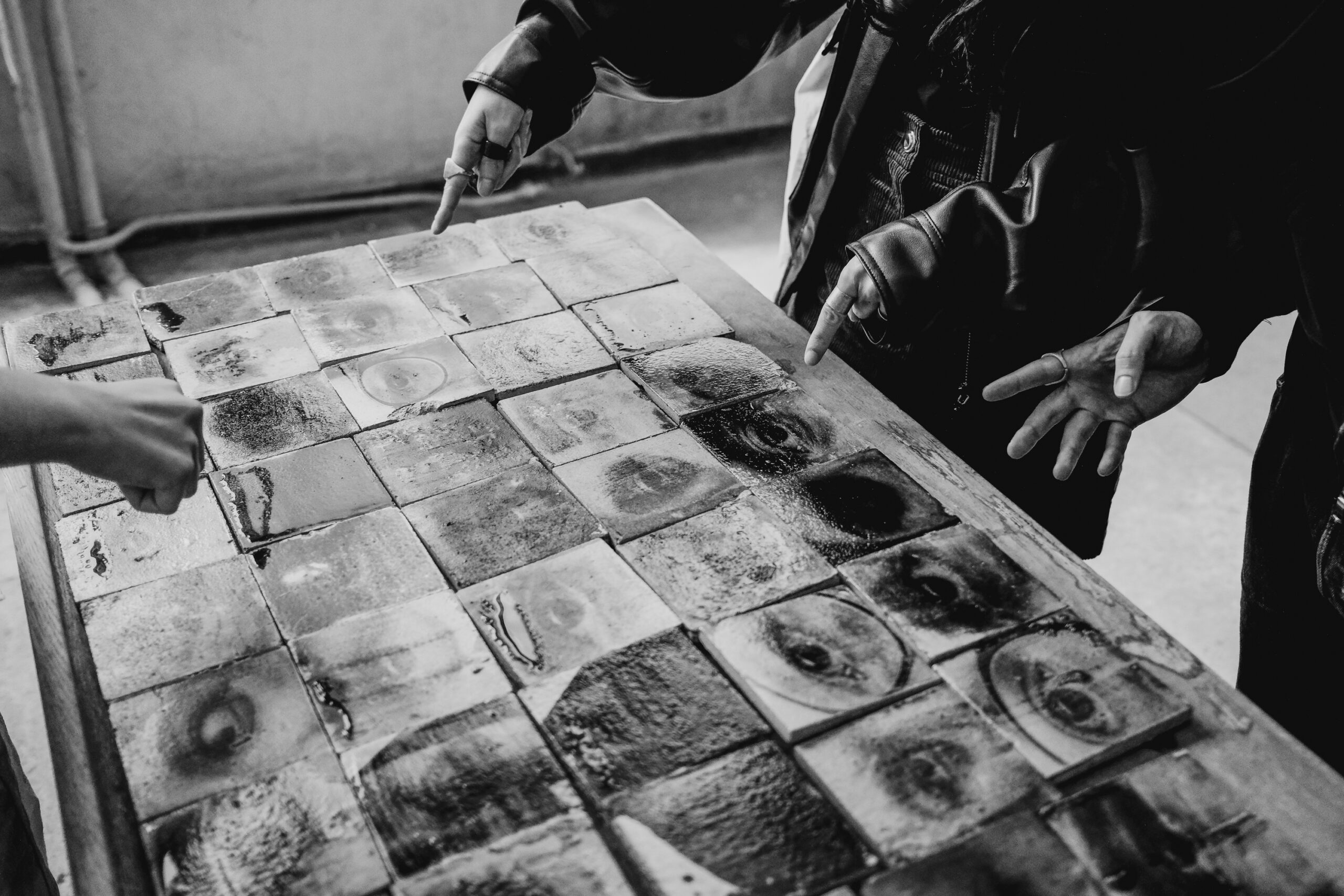
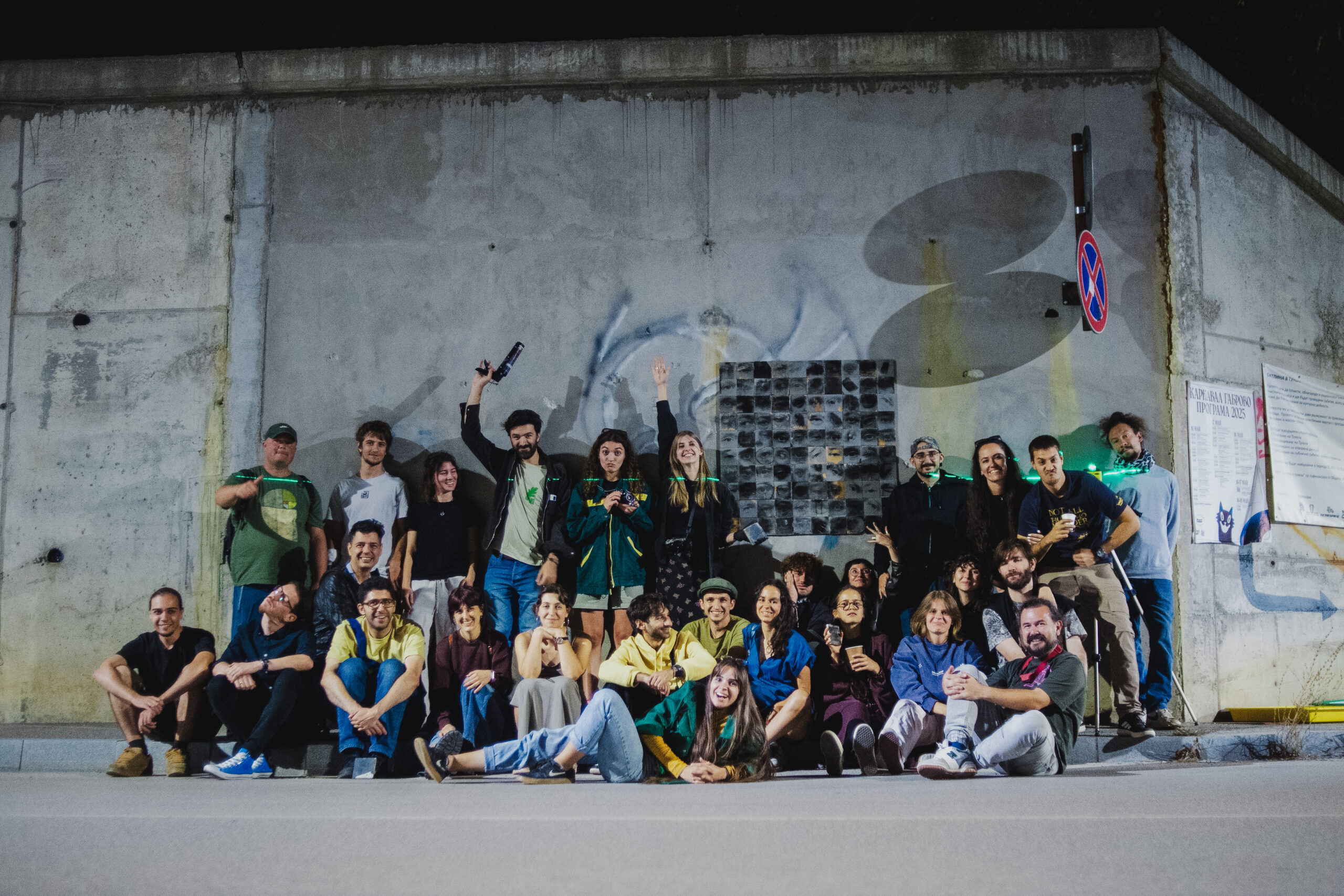
Meanwhile, at the RadLab Residency in the Christo and Jeanne-Claude Center the second stage of the workshop unfolded — laying the foundations for a future artwork. We poured liquefied silver-gelatin emulsion onto terracotta tiles. In the third stage, the shadows of all those eyes were enlarged in our lab, forming a series of photographic objects. The final phase took the process out of the lab and into the city itself. There, the installation “The Eyes of Shipka Street” found its place — a collective gesture, a trace of shared experience, where the intervention was not only on the street but also within our understanding of photography.
A deliberate limitation was set: each participant of the festival could apply only for one stage of the workshop. The final work emerged as a composition of distinct individual perspectives, while the installation itself became a collective act — the introspective gaze of each participant projected outward, meeting the shared urban space.
photograph: Antoni Bratanov | @antoni_bratanov
photograph: Ana-Maria Molnar | @_anamariamolnar
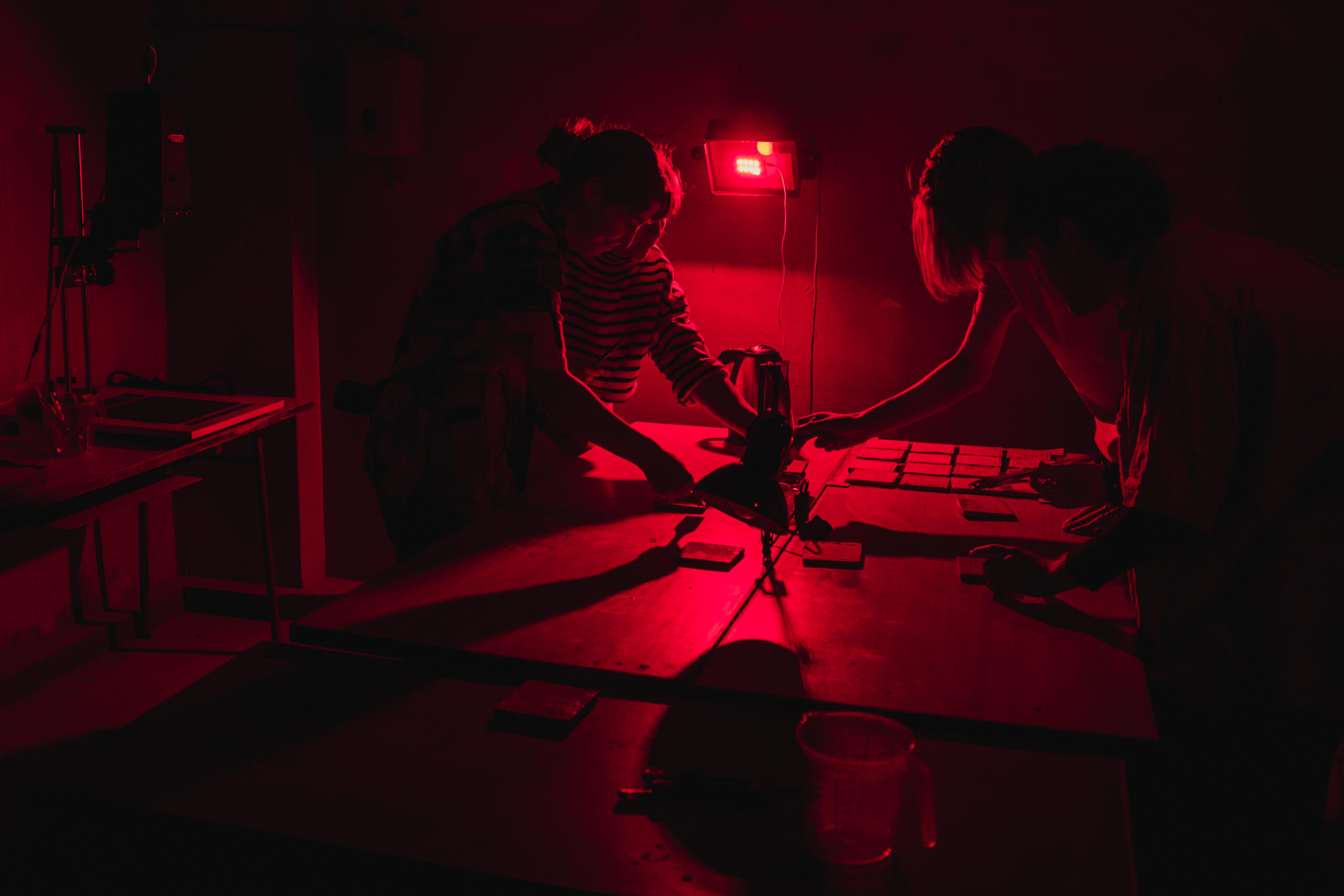
Like any other process involving an orthochromatic light-sensitive emulsion, the sensitizing, drying, and printing of the terracotta tiles took place under laboratory conditions. Ivicha guided the participants through the printmaking stage of the process.
photograph: Ivelin Penchev – Ivicha | @ivich_
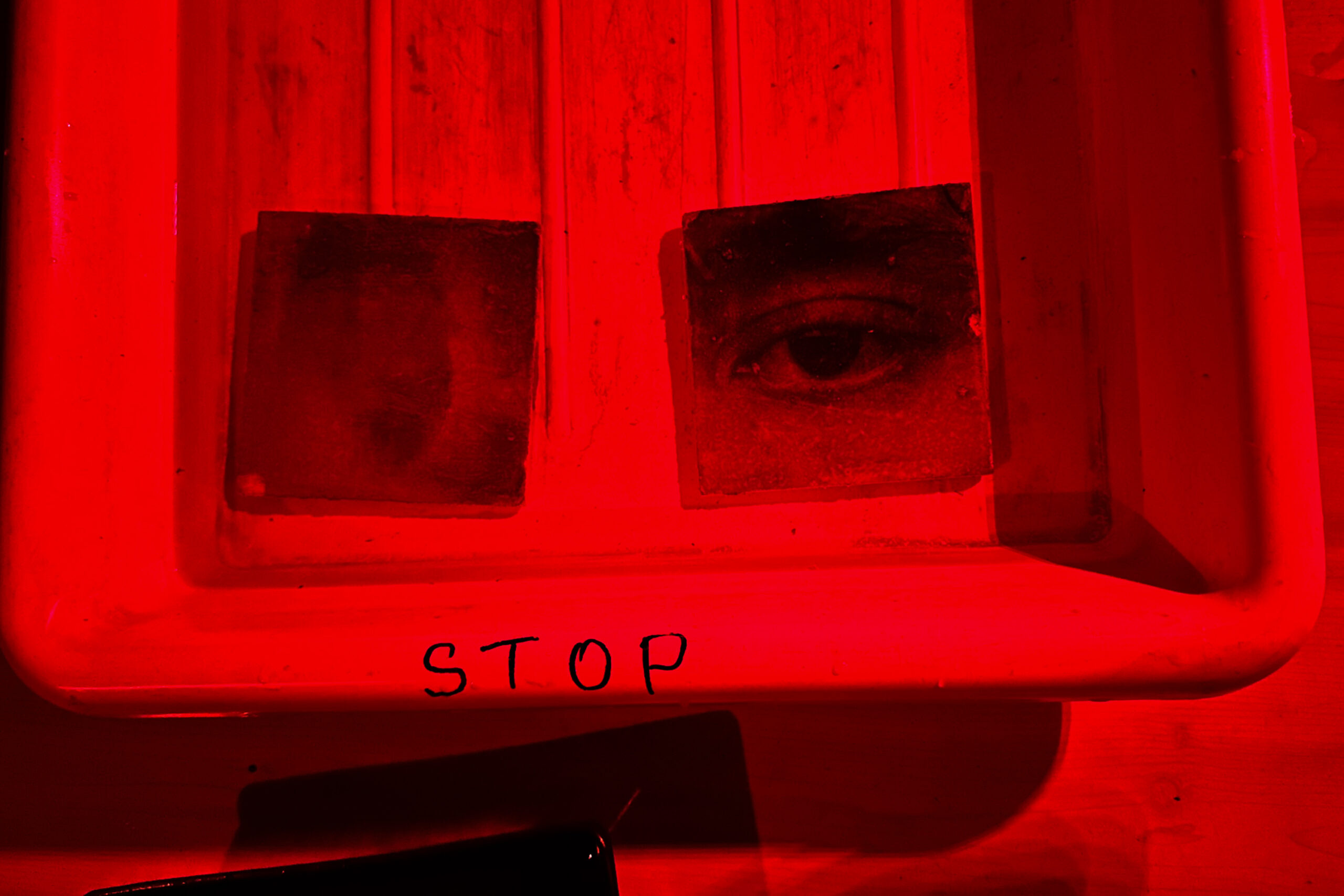
photograph: Ana-Maria Molnar | @_anamariamolnar
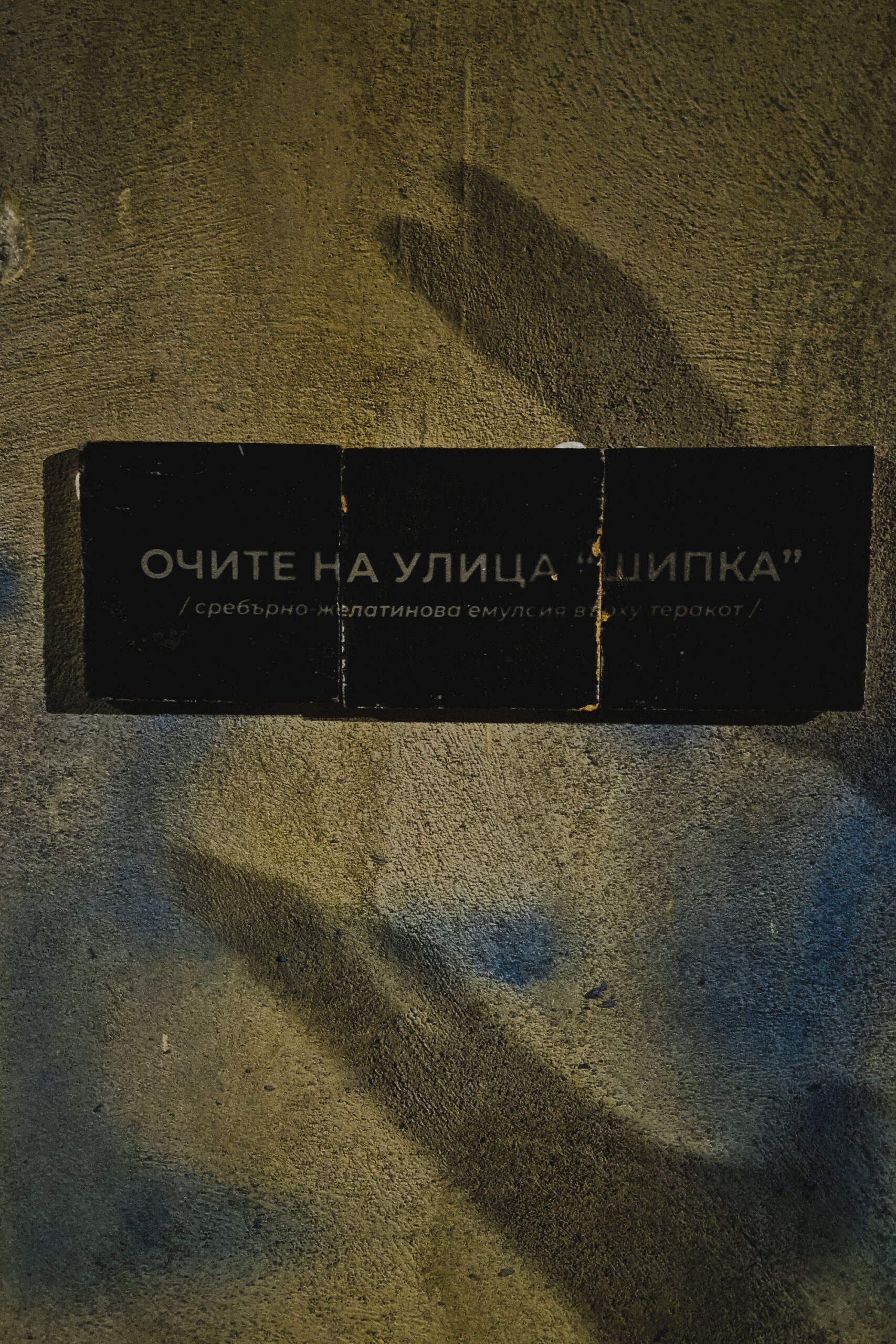
photograph: Ivelin Penchev – Ivicha | @ivich_
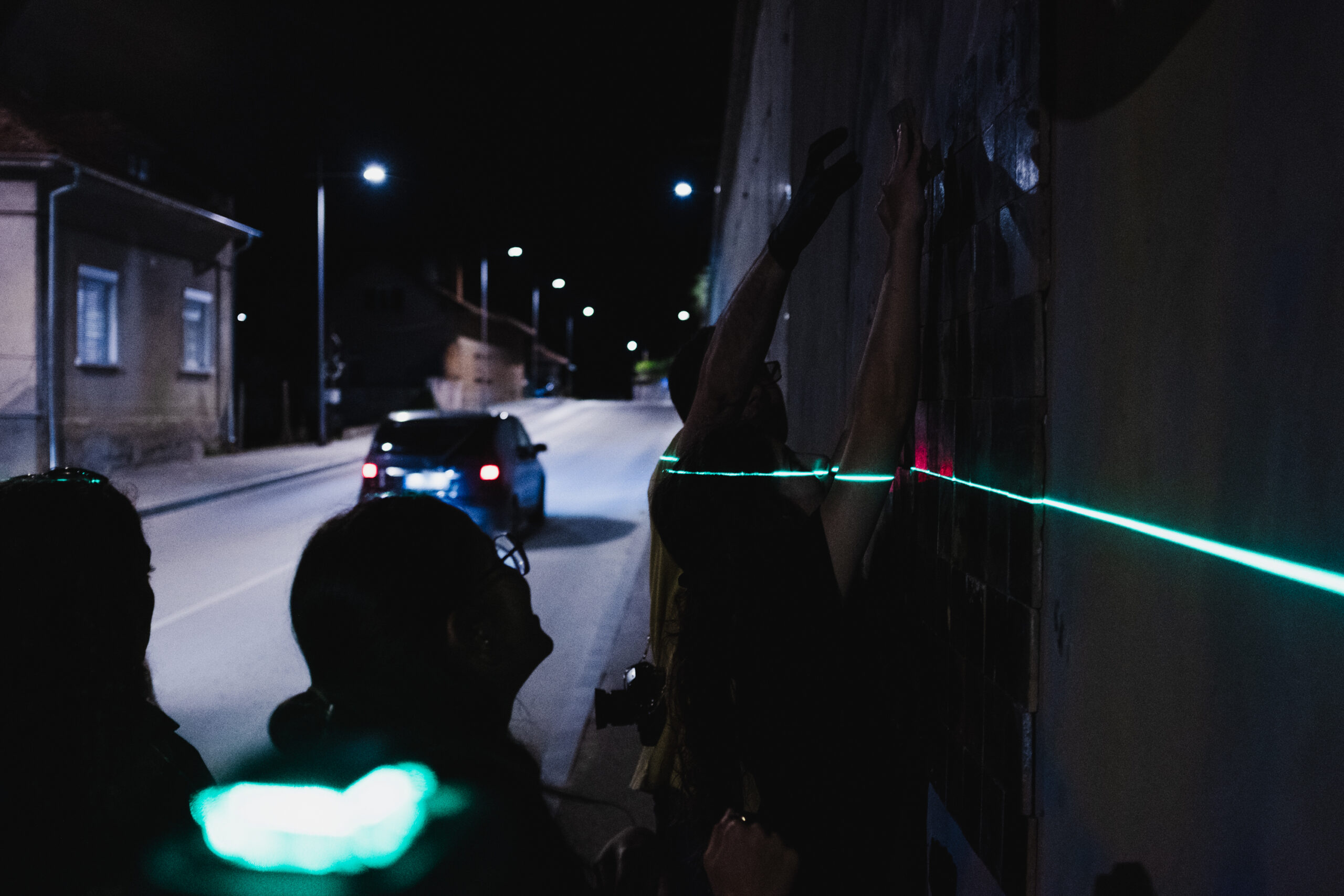
photograph: Ivelin Penchev – Ivicha | @ivich_
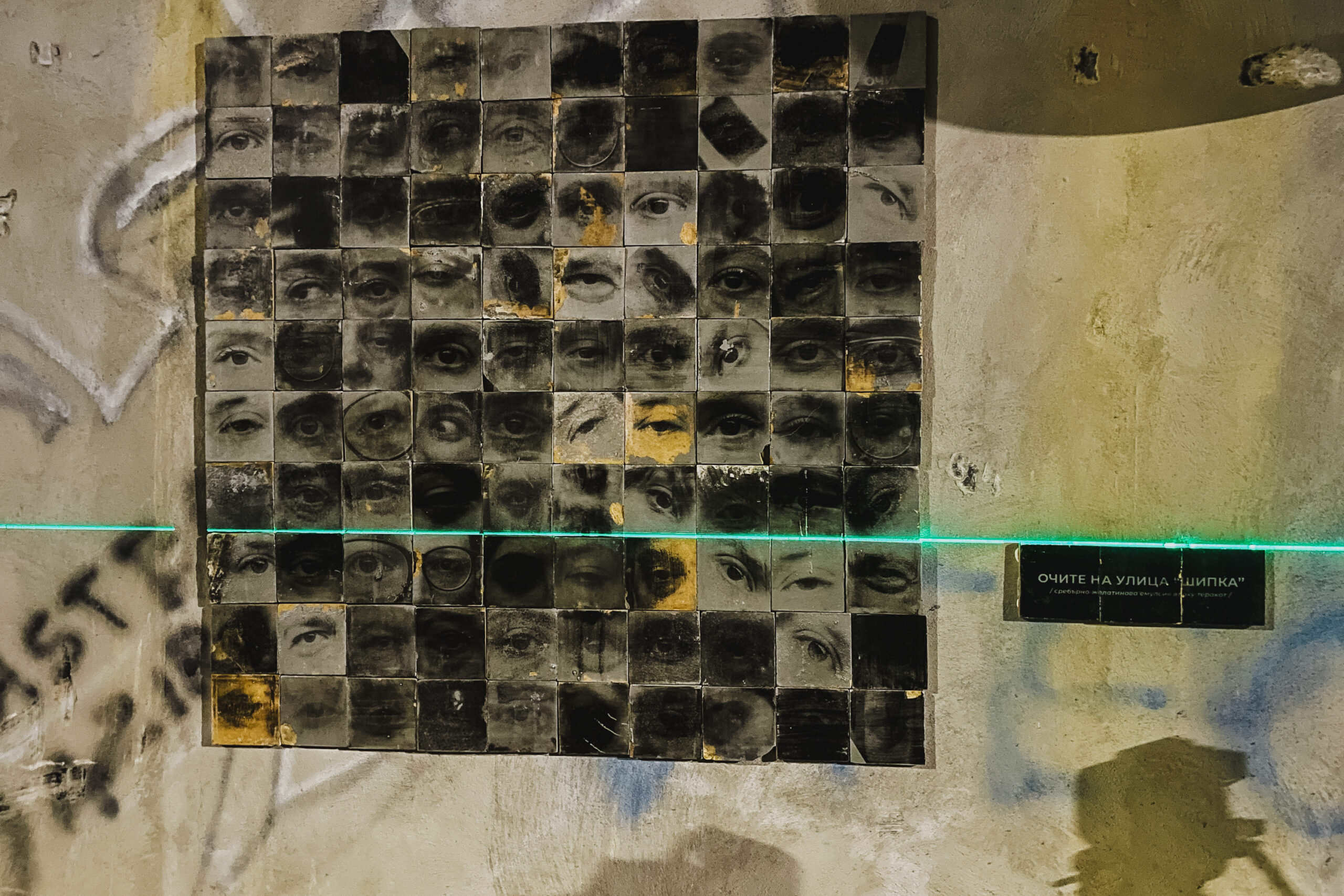
At this very moment, you can still exchange glances with the street instalation — if you are observant enough. Its form is by no means final, its metamorphoses are unpredictable and depend entirely on the social dynamics unfolding in Gabrovo.
photograph: Ivelin Penchev – Ivicha | @ivich_
Another highlight in our creative program was the workshop “Reversal Development”, which set out to visualize a classic — and somewhat peculiar — cycle of analog photography. We photographed with Nikola’s DIY large format camera, then went through the full development process, closely tied to printmaking, since the negative itself becomes a kind of imprint. Yet there was a twist — the “negative” in this case was a sheet of light-sensitive photographic paper, which we developed through an alternative process to turn the image directly into a positive photograph.
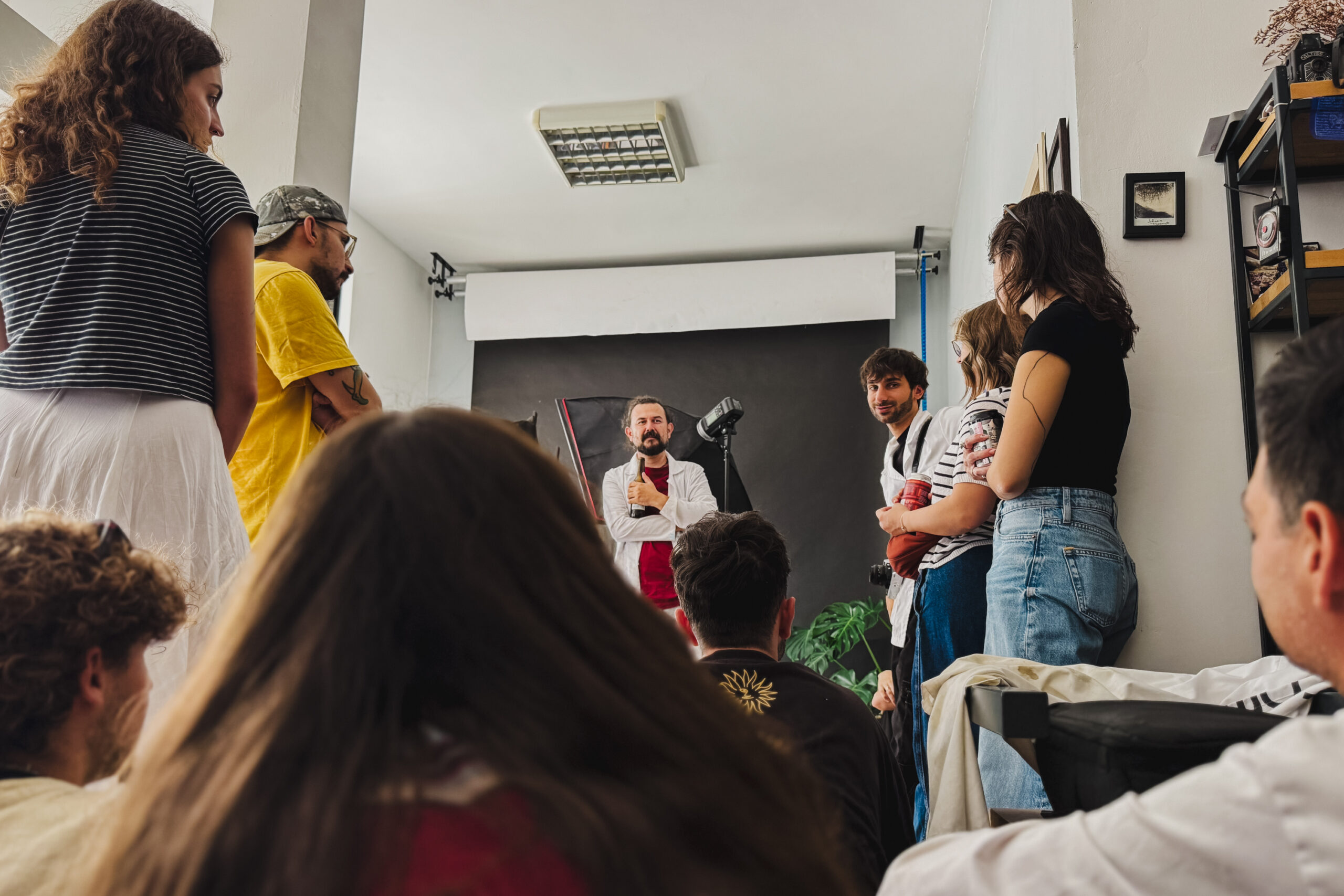
Erol and Nikola are giving more insight for the future processes.
photograph: Diana Popova | @bluebottleflower
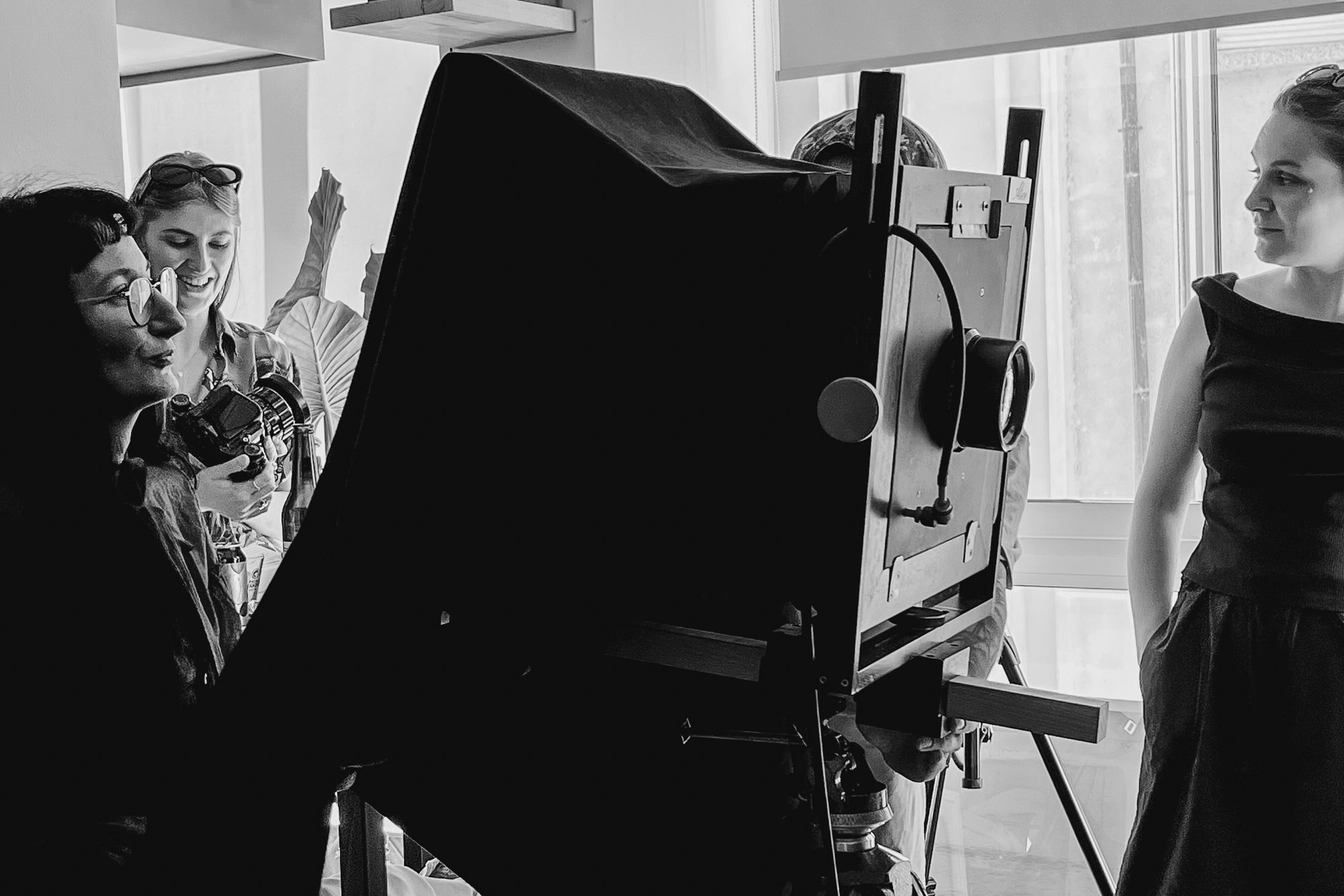
Within the space of RadLab, those behind and in front of the camera once again exchanged places spontaneously — transforming the camera from a tool of photography into a medium of communication.
photograph: Rachel Kluge | @rachelkluge_
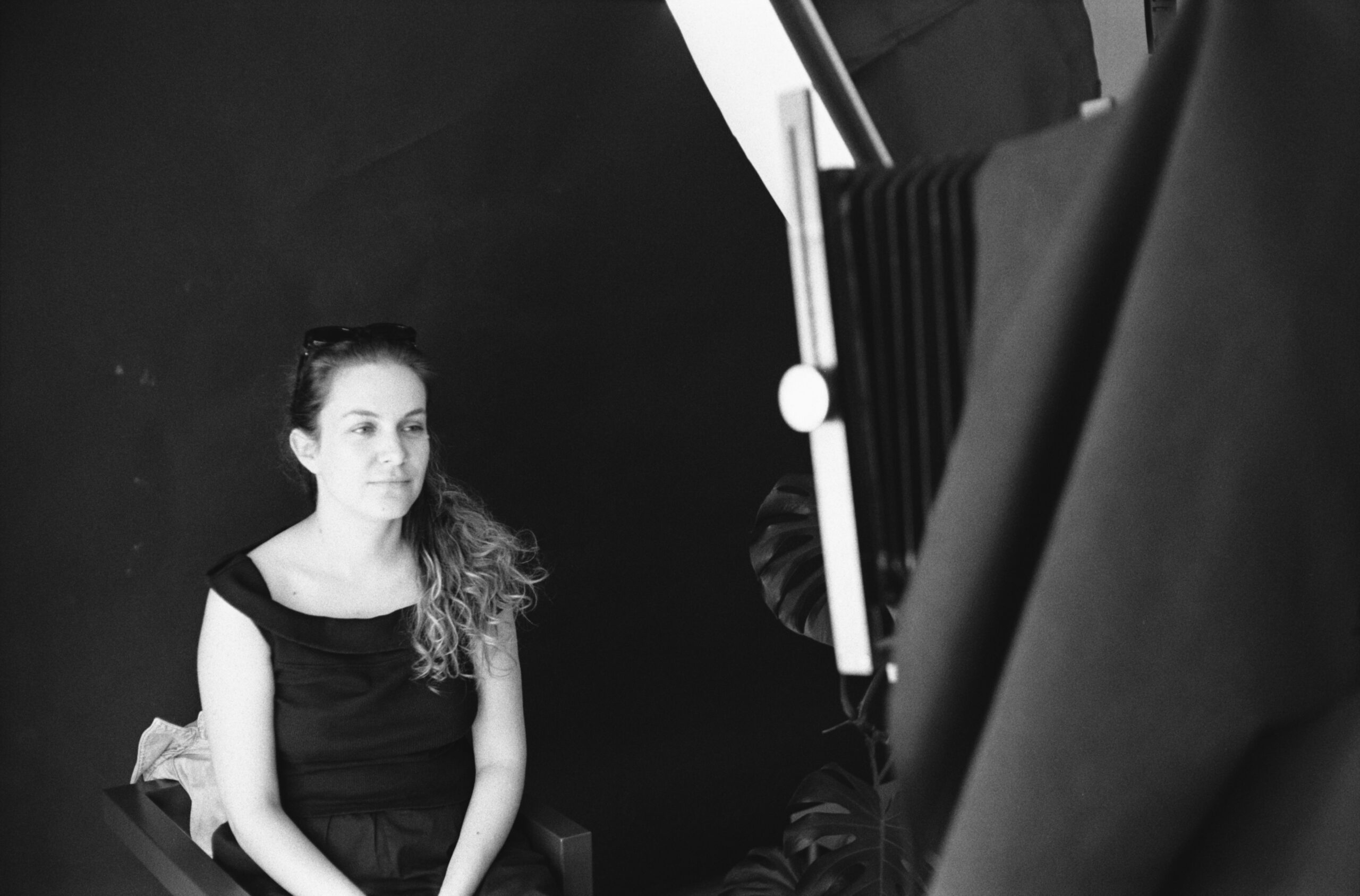
photograph: Eugene Zagidullin | @chicorymantis
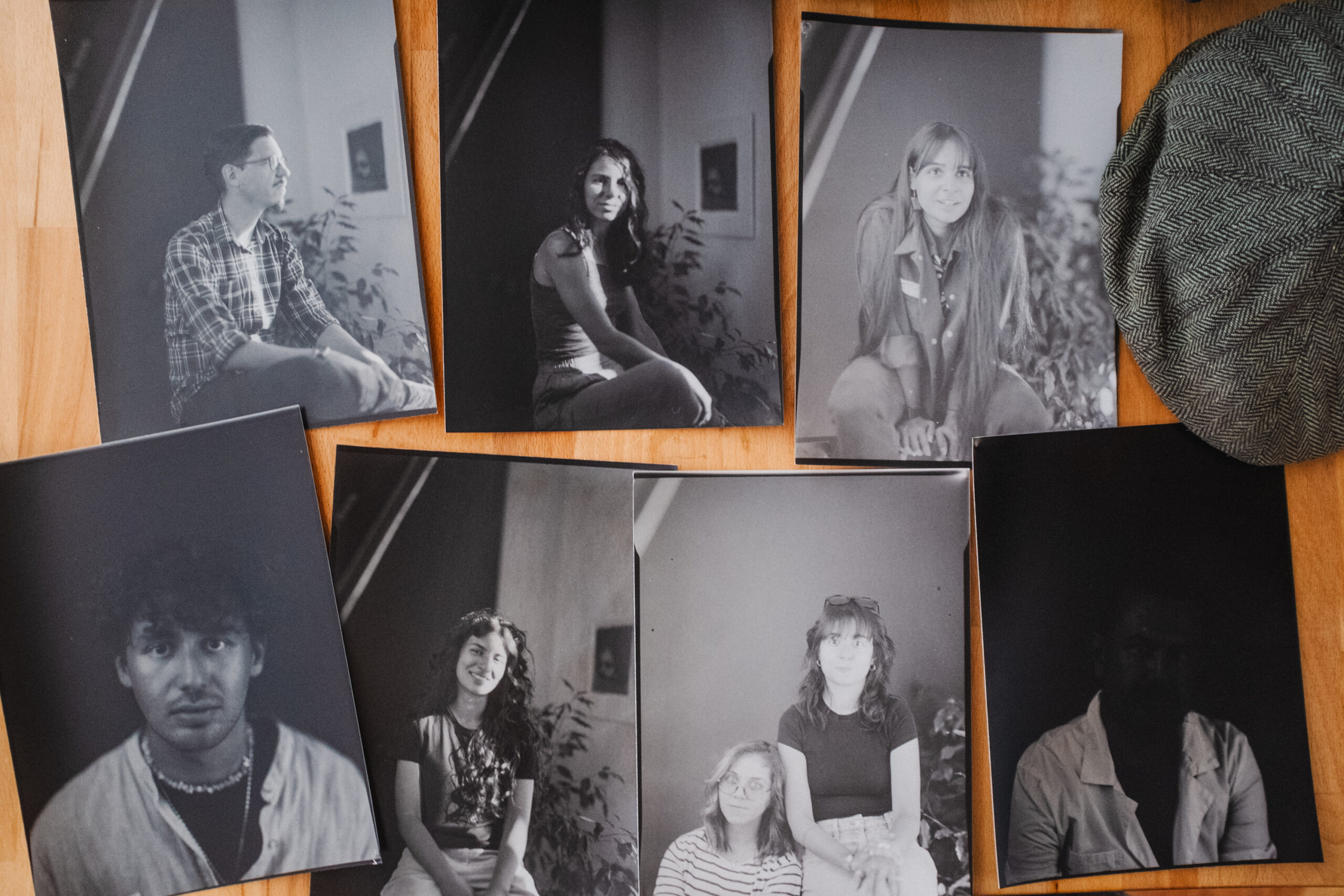
photograph: Ivelin Penchev – Ivicha | @ivich_
Photography as Dialogue
The festival placed particular emphasis on the living conversation — about photography, about the words that surround it, about its individual influences and the meaning of sharing. Three discussions and one portfolio review formed the heart of this dialogical layer of the program.
“The Photography That Shaped Us” brought together visual artists Iren Krumova, Olga Gospodinova, and Dragan Goranov for a conversation about the images that have left a mark on their perception and relationship to the medium. The discussion did not aim for critical rigor but instead followed the thread of personal inspiration and transformation. Through the examples shared, it became clear how deeply individual — and yet how profoundly collective — our sense of visual memory is: those photographs that, often unconsciously, build our aesthetic as both artists and viewers.
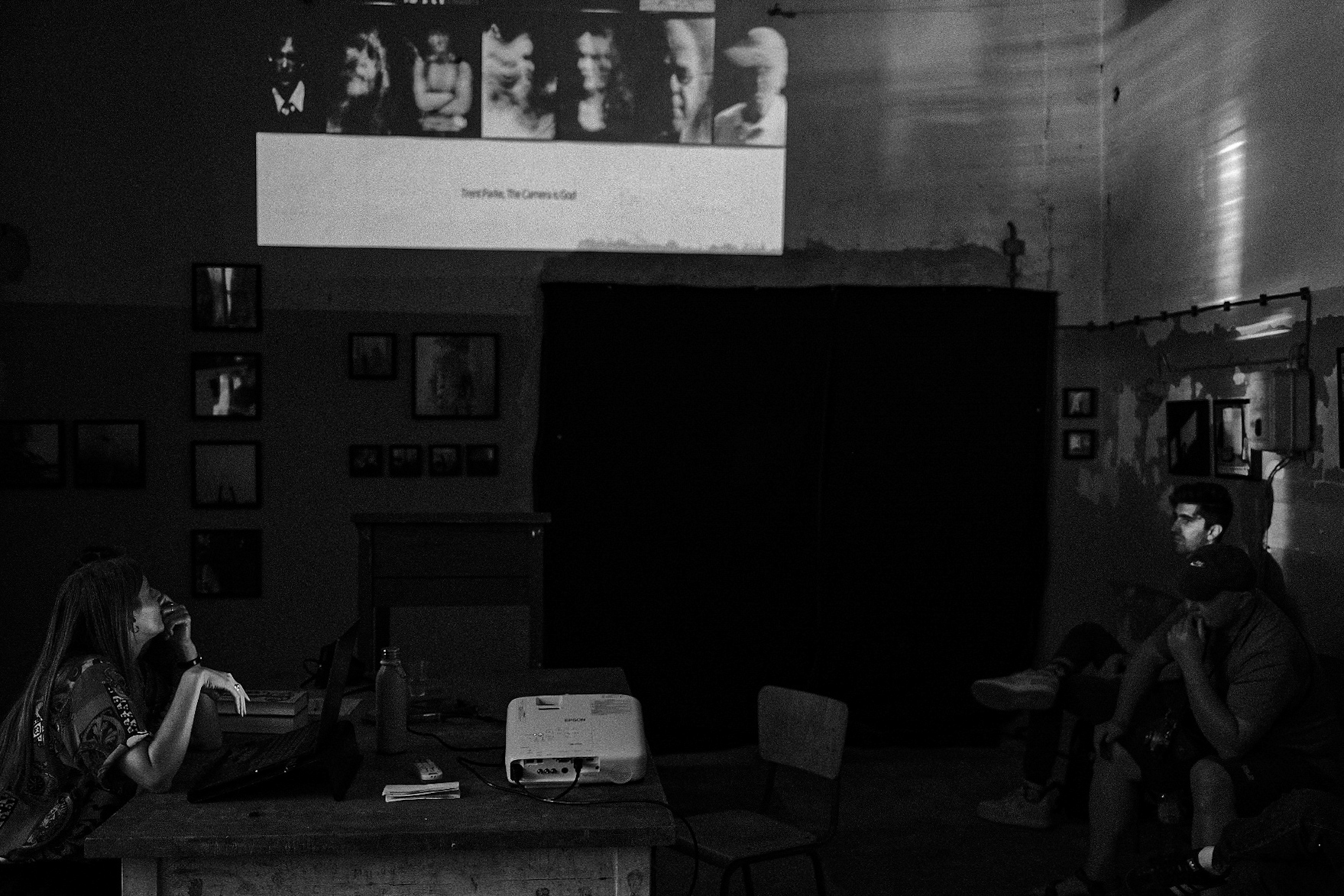
photograph: Viktor Kolev | @drpdddd
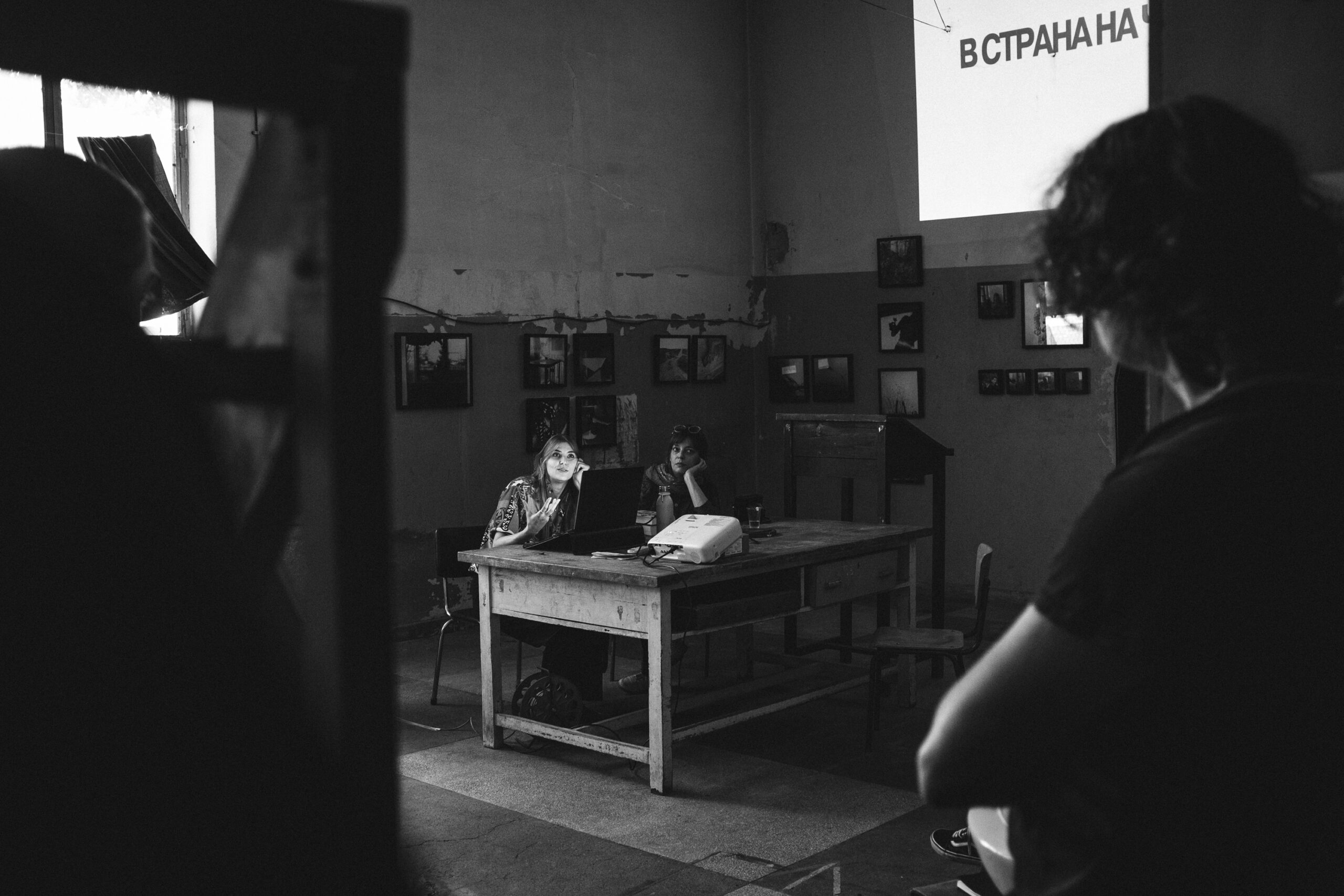
photograph: Ivelin Penchev – Ivicha | @ivich_
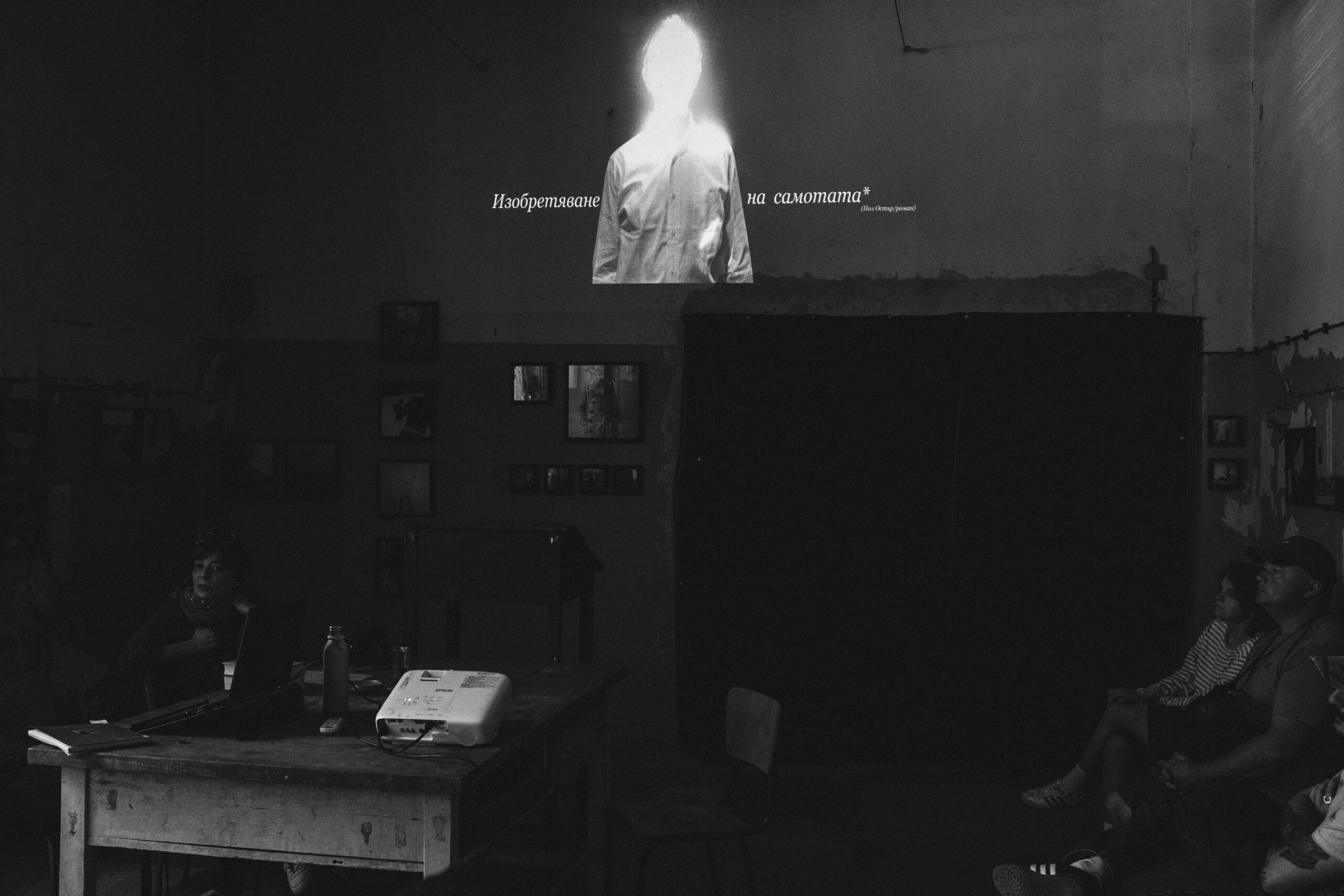
photograph: Ivelin Penchev – Ivicha | @ivich_
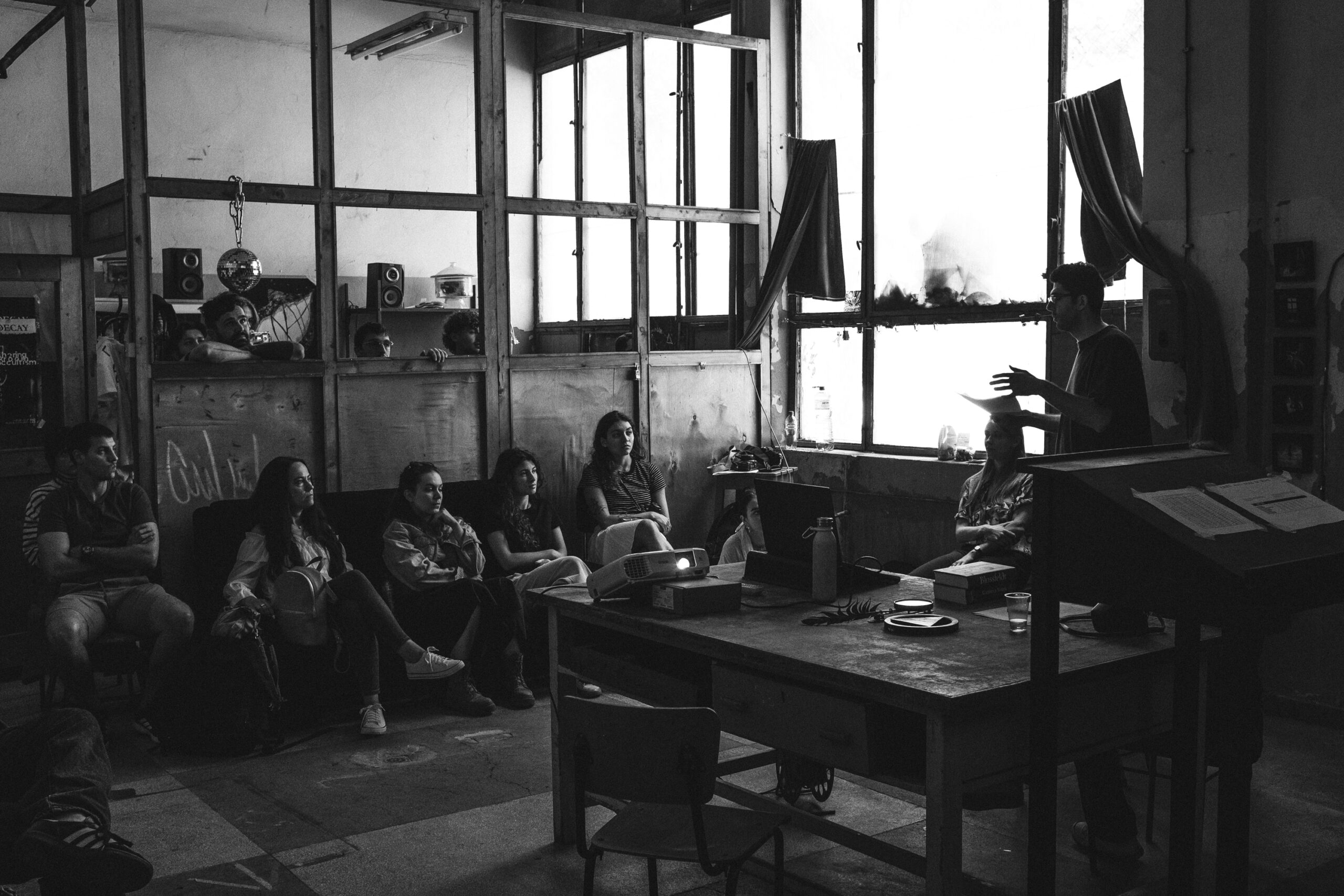
photograph: Ivelin Penchev – Ivicha | @ivich_
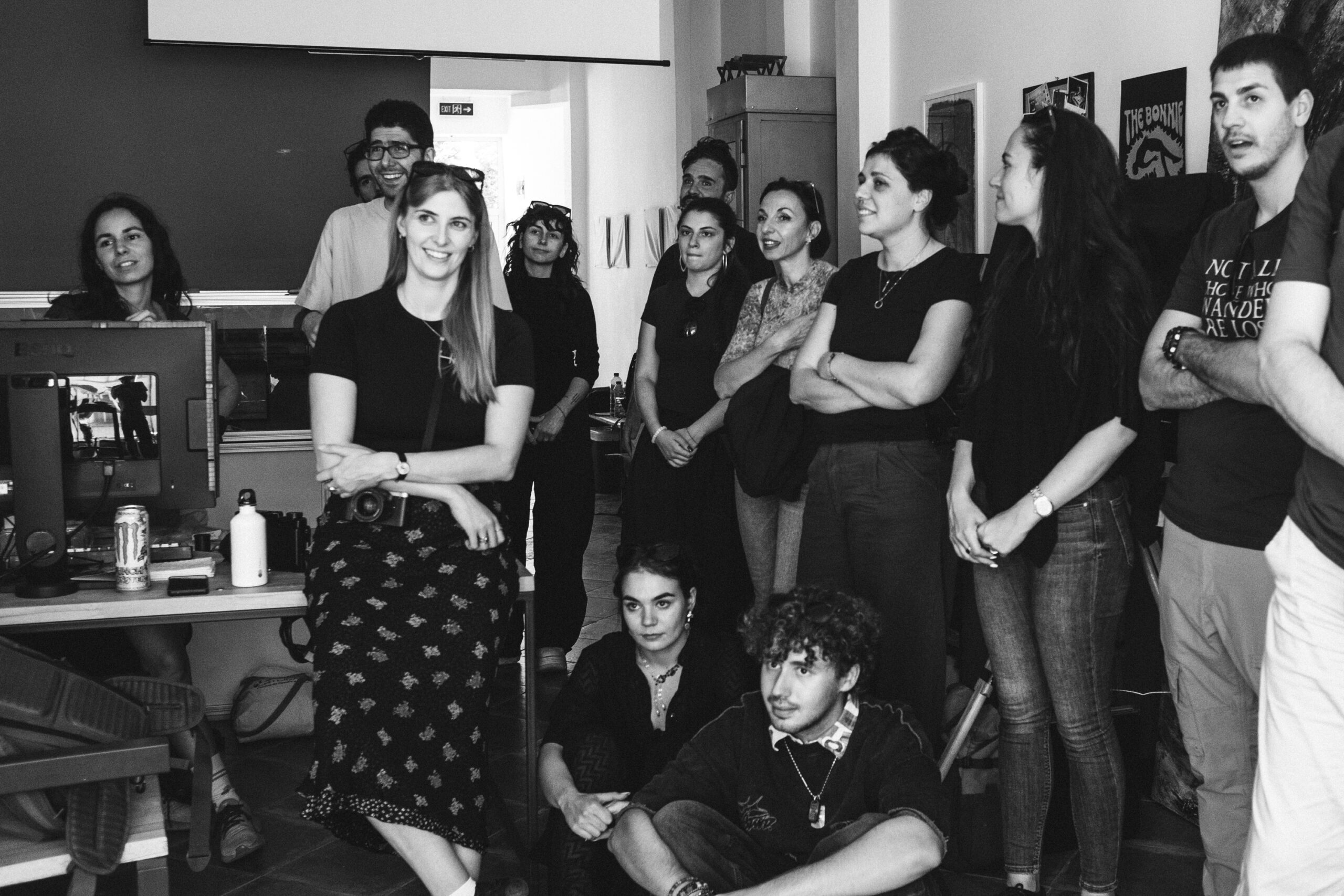
In the age of likes and endless scrolling, we feel the need to reclaim a living, critical gaze. With the Portfolio Review, we shifted the focus toward the presentation of body of work and the exchange of feedback. There were no juries, no hierarchies — and the rewards were of a different kind. Beyond the photographs themselves, we discussed the way they were presented — the structure of the portfolio, the selection of artworks, the artist’s ability to communicate their idea clearly and engagingly. The Portfolio Review became a small laboratory for self-reflection.
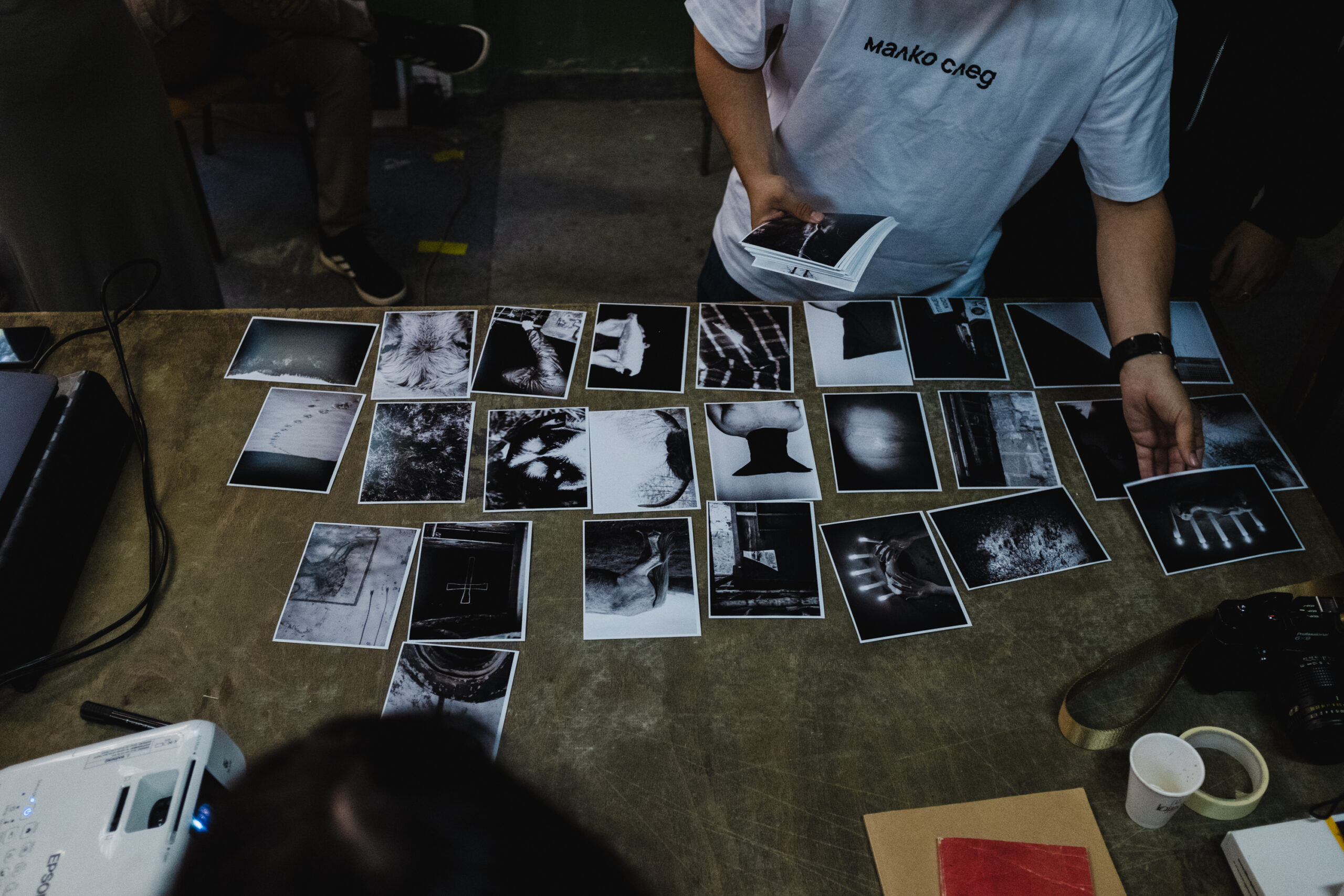
photograph: Ivelin Penchev – Ivicha | @ivich_
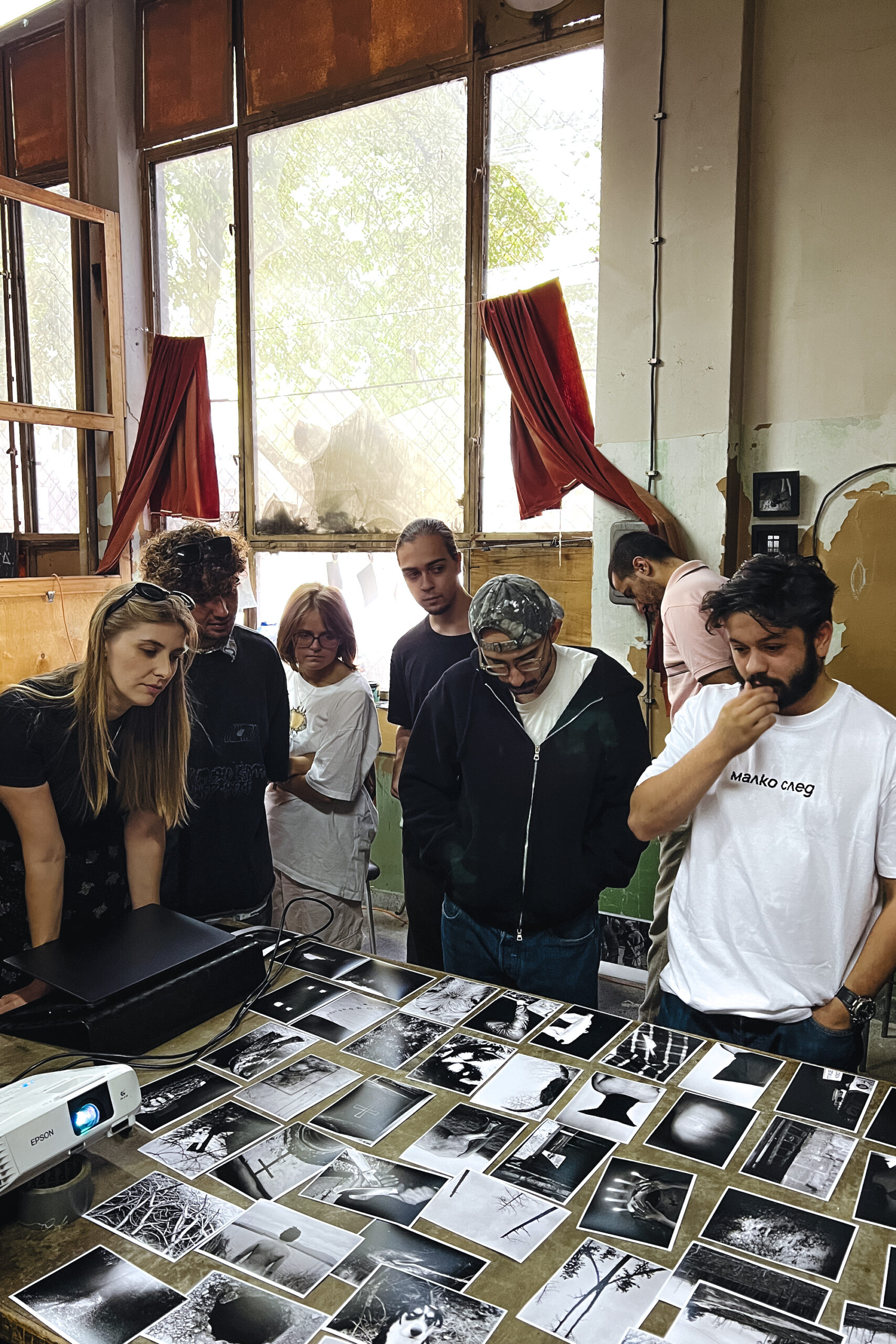
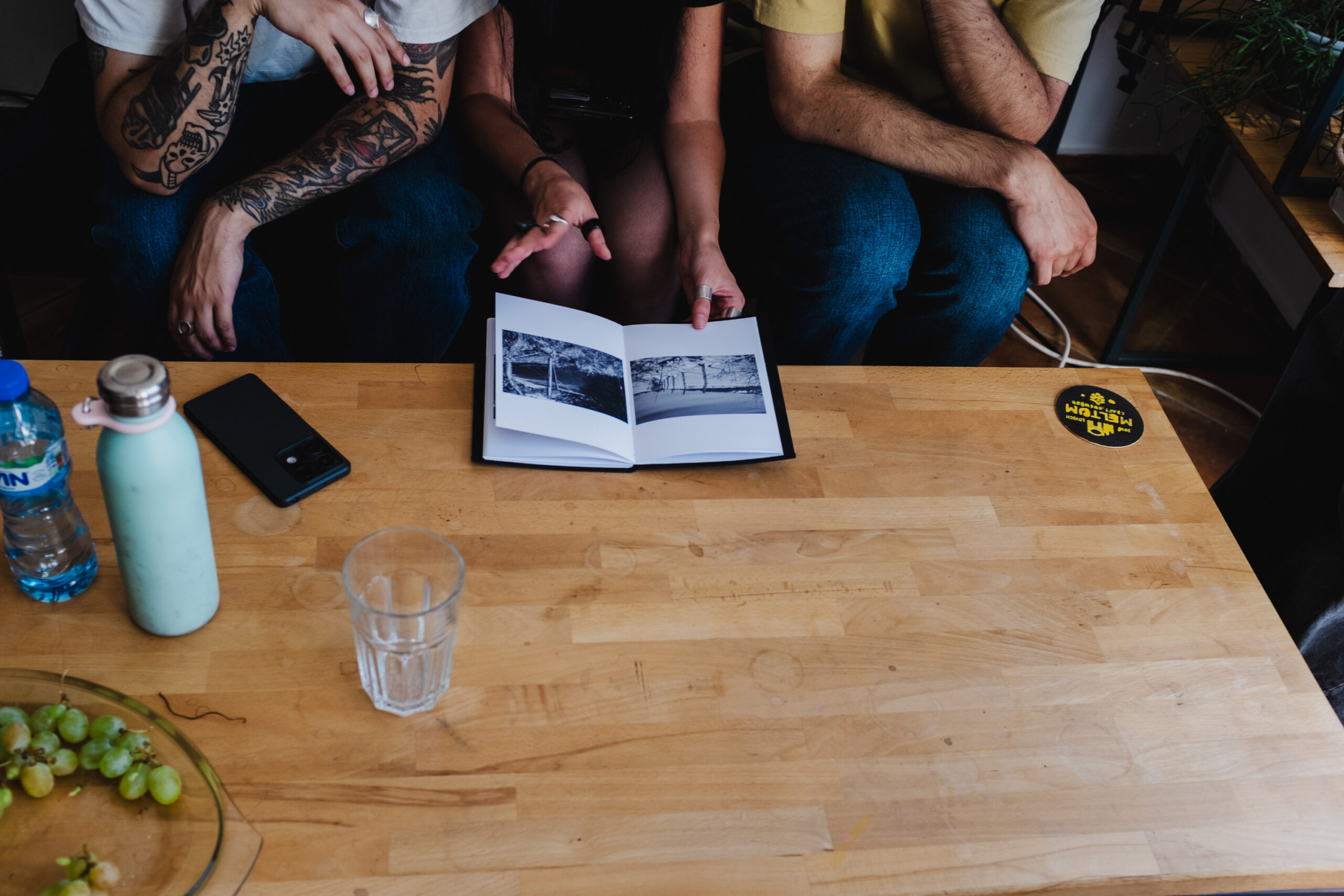
Each participant had ten minutes to present their project, series, or photobook, followed by ten minutes of open conversation. What mattered was not competition, but participation — the willingness to think of photography as a process in which the exchange of perspectives becomes part of the creative act itself.
photograph: Ralitsa Belcheva | @r.belcheva
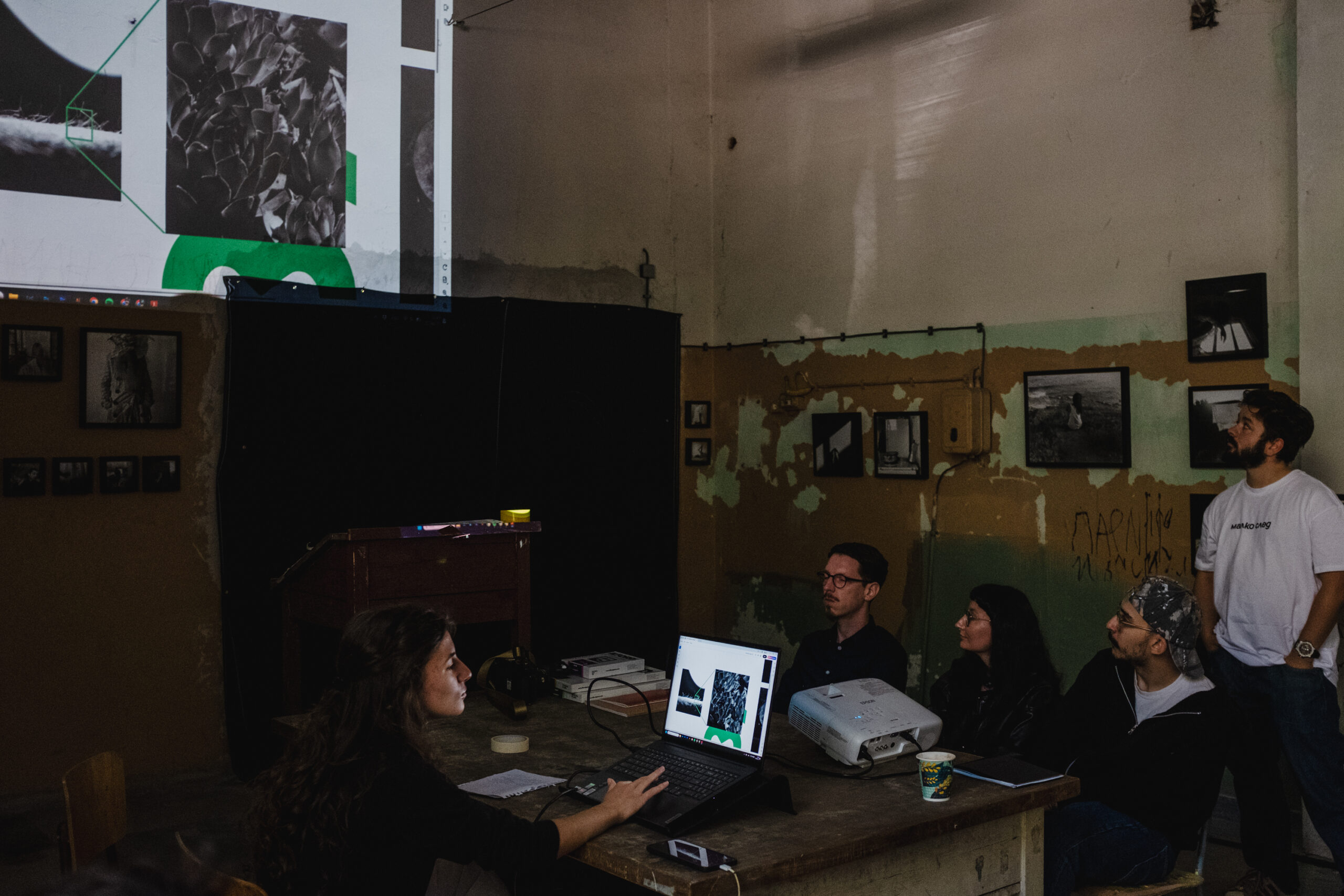
photograph: Ivelin Penchev – Ivicha | @ivich_
One of our main aspirations is to give voice to emerging artists — and the photobook remains one of the strongest forms of personal expression. It presents a story without compromise — beyond the confines of the gallery and the noise of the digital feed — while opening a space for experimentation and play with form and technique.
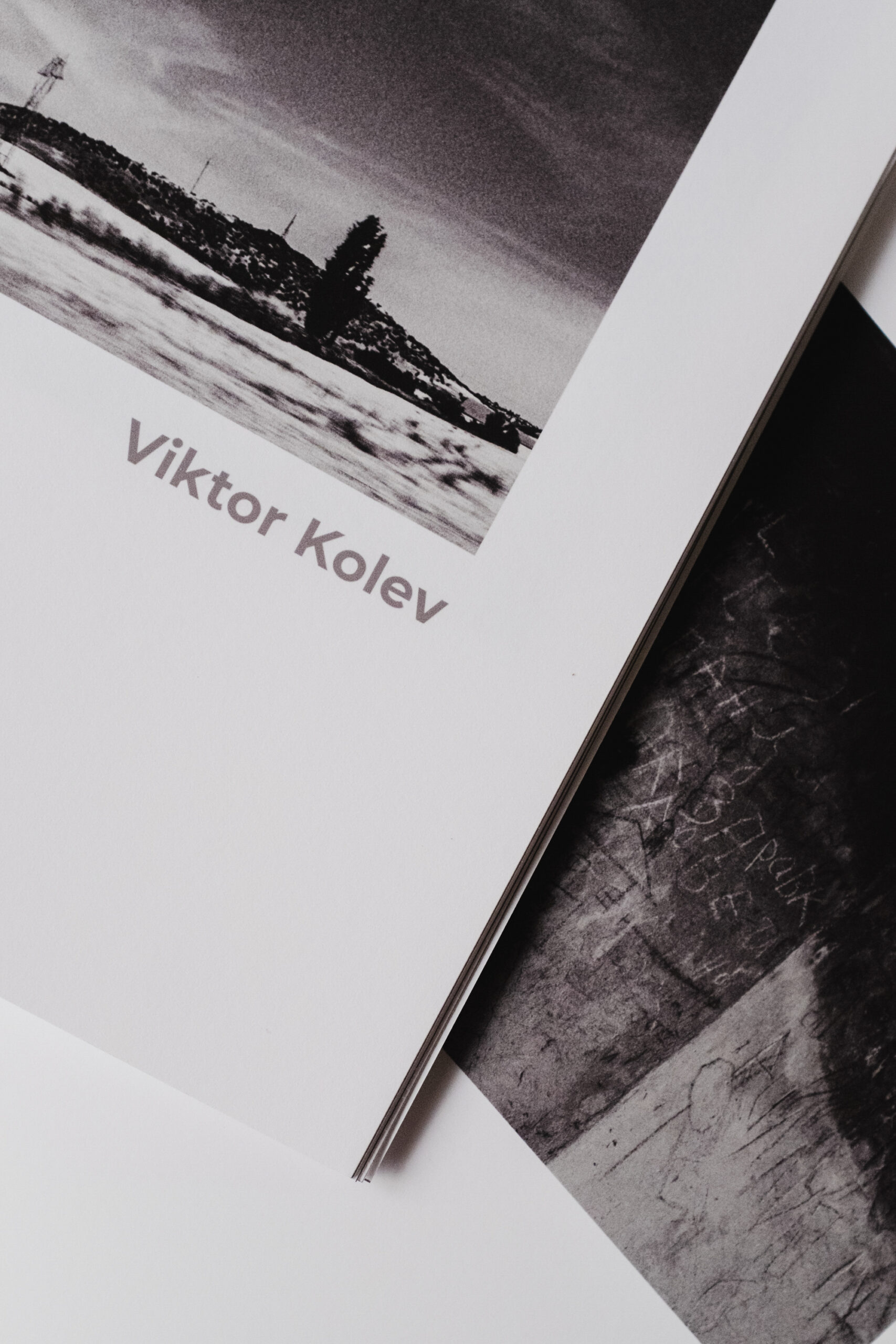
Viktor Kolev belongs to a new generation of independent photographers, free from trends and empty phrasing. Within the framework of the festival, we presented his photobook In Those Distant Days — an authorial project born from the meeting between Viktor and the space of RadLab Studio. His photography is quiet, much like his temperament — it creates and exists in an undisturbed, self-contained rhythm. There is no randomness in In Those Distant Days, only carefully considered decisions. The body of work was produced and printed at RadLab, with hand-crafted covers made by Irena Nikolova. Though the first edition is limited to just nine copies, you can still acquire one by reaching out to us or directly to Viko.
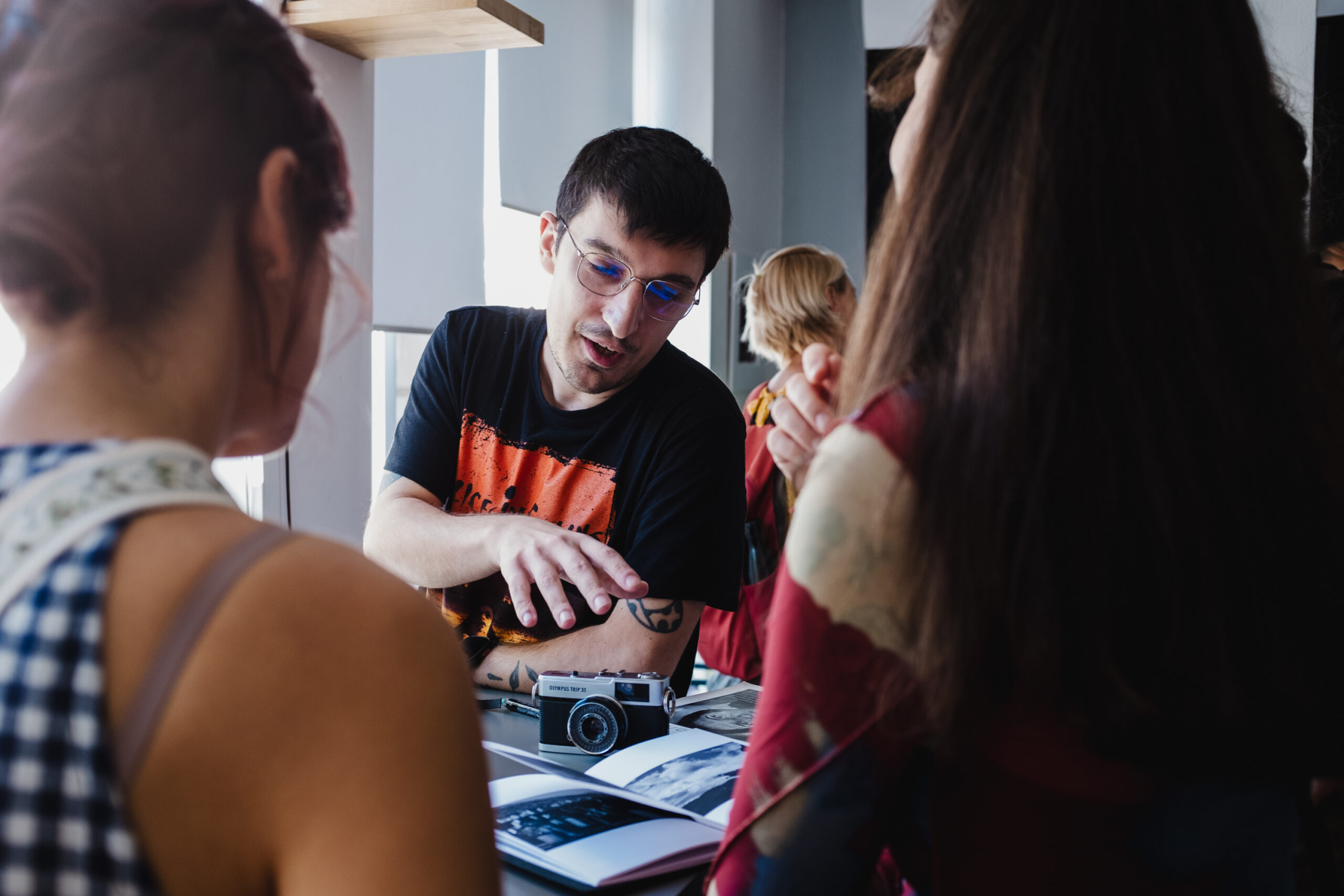
Viko believes that the perception of photographic objects must absorb the concept — and it is precisely this belief that shapes the spirit of his photobook.
photograph: Ivelin Penchev – Ivicha | @ivich_
photograph: Ivelin Penchev – Ivicha | @ivich_
photograph: Ivelin Penchev – Ivicha | @ivich_
photograph: Ivelin Penchev – Ivicha | @ivich_
photograph: Ivelin Penchev – Ivicha | @ivich_
The next pages we unfolded were those of Obscura mag , whose second issue was presented by the magazine’s own editorial team. The meeting focused on the role of text within photography — not as an accessory, but as an essential part of its visual language. The conversation, held at the Christo and Jeanne-Claude Center moved through the processes of writing interviews, critical essays, and curatorial texts, while also touching upon the more delicate relationships between visual and verbal expression.
Stefani Stoeva emphasized the function of text as a living material — one with transparent mysteries, capable of expanding and complicating the perception of the image.
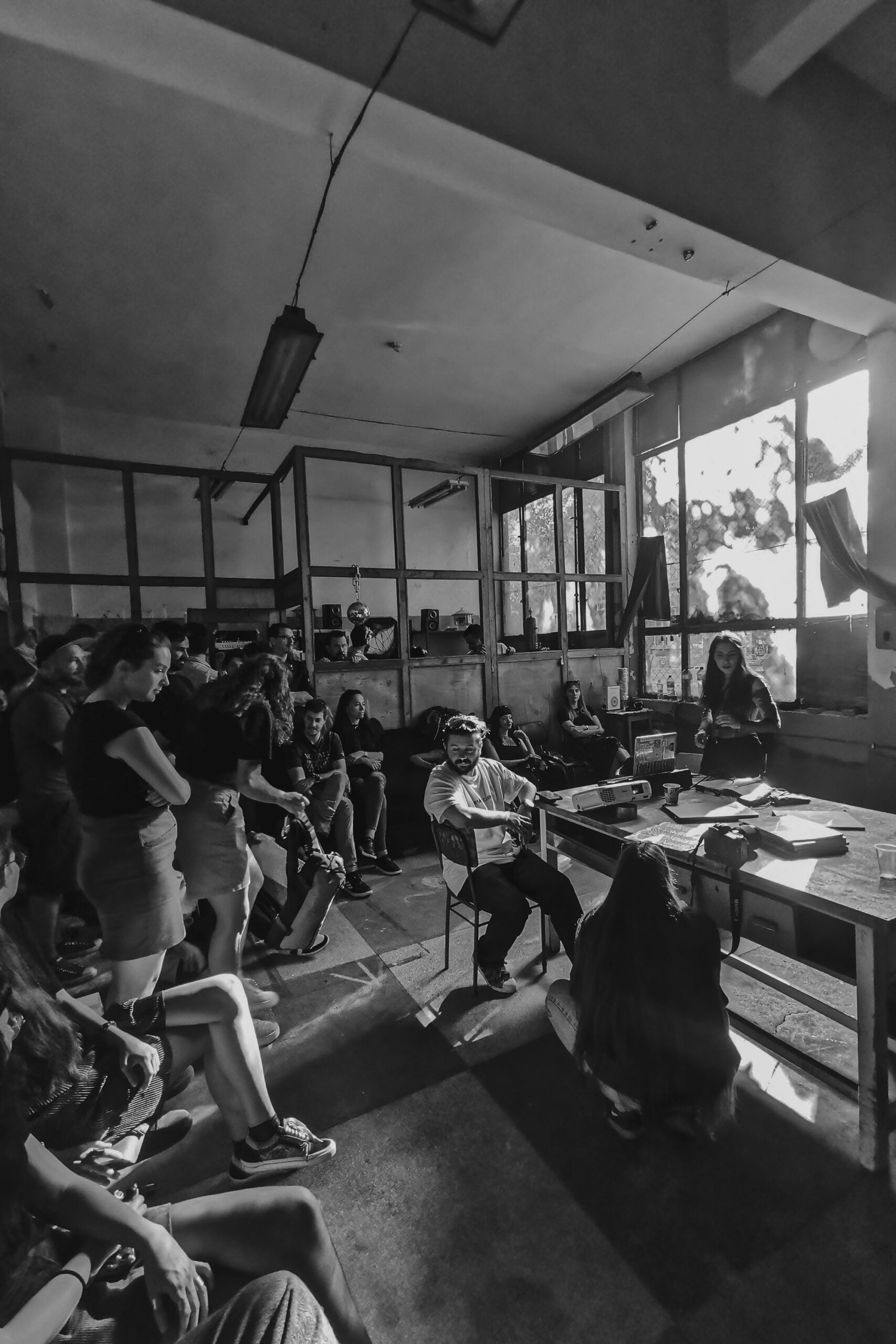
photograph: Alexandra Patova | @aleksandra.patova
Exhibitions and Visual Silence
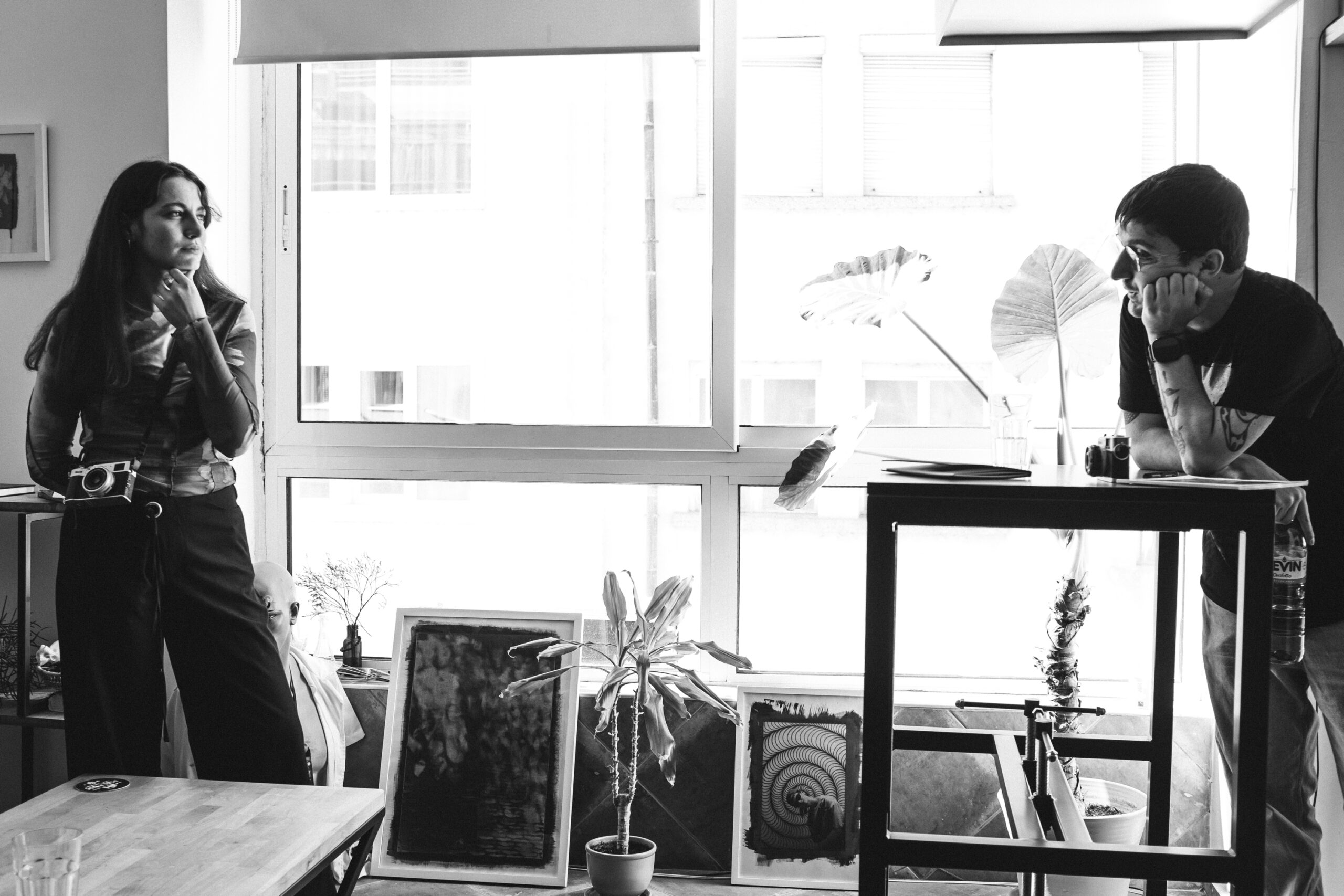
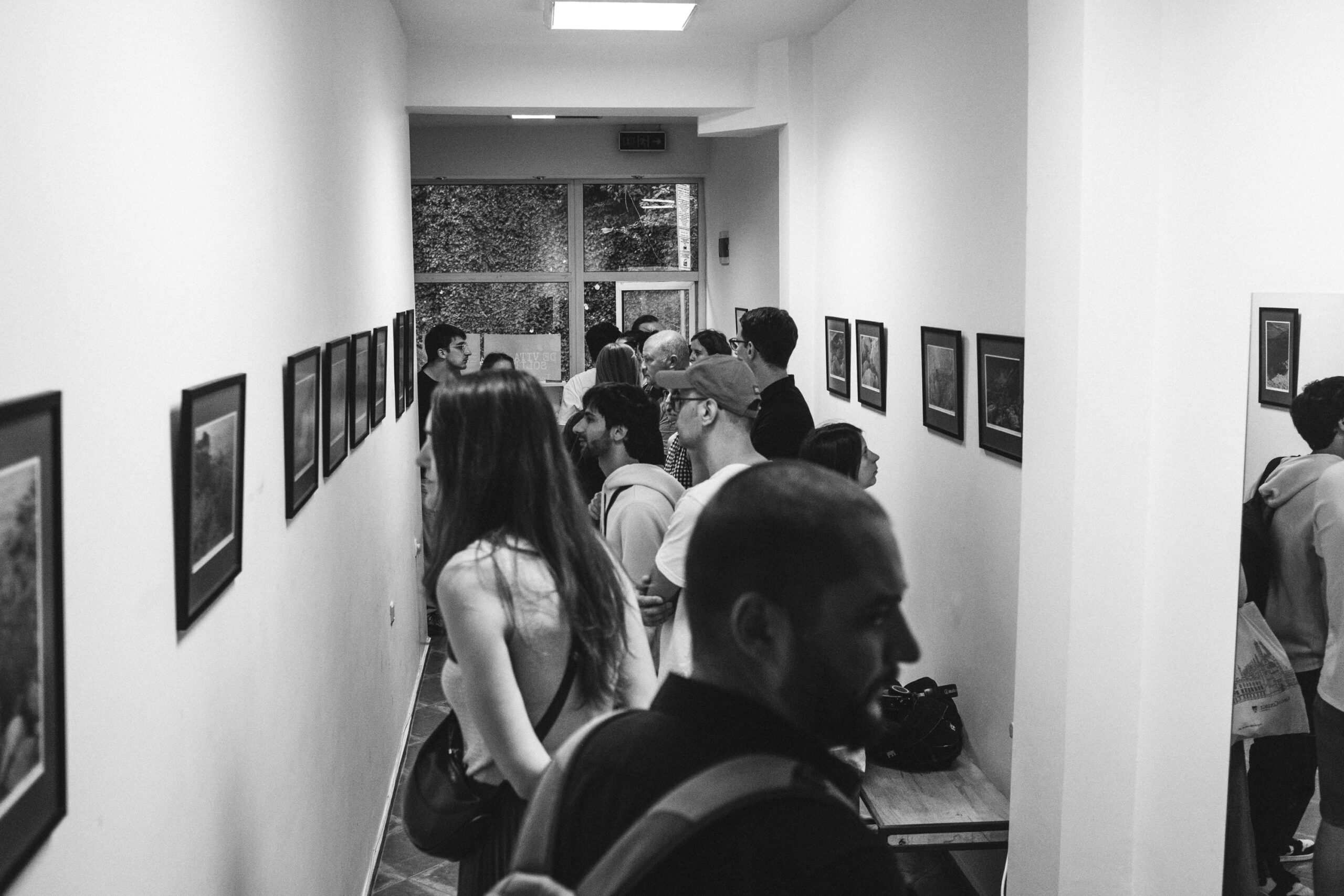
We are deeply grateful to the artists who responded to our invitation and presented their works at RadLab — three voices speaking in the language of solitude, each with their own distinct tone. What makes this even more special is that two of the exhibitions — On Wandering and Amin — were printed in RadLab’s darkroom by Ivicha, using silver-gelative process. The trust they placed in us by handing over their negatives means a great deal. We have grown alongside some of these images over the years, and it brings us quiet joy to see them come alive on the studio walls. You can linger before them in the RadLab space till the end of October 2025 — and perhaps even after that, who knows.
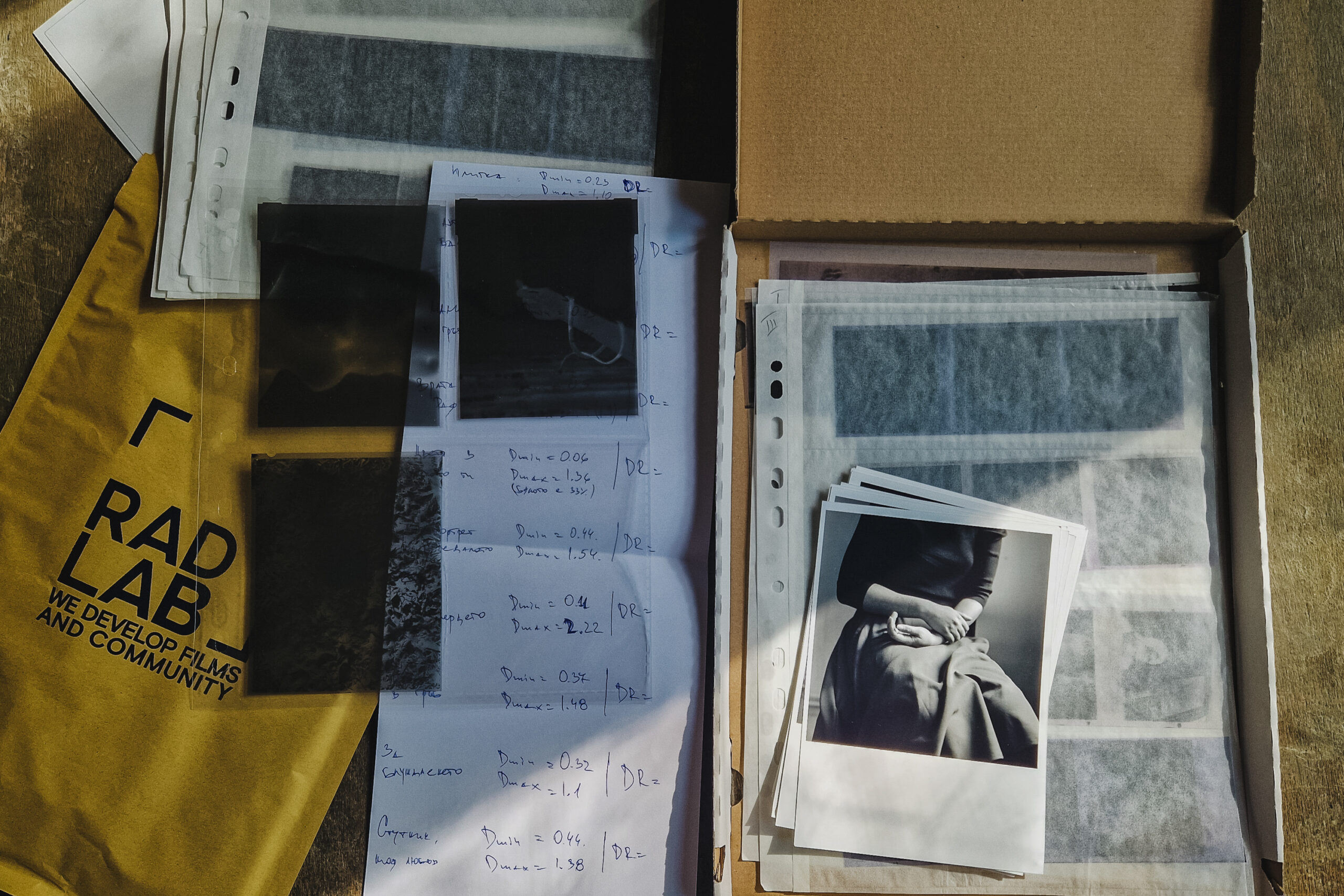
photograph: Ivelin Penchev – Ivicha | @ivich_
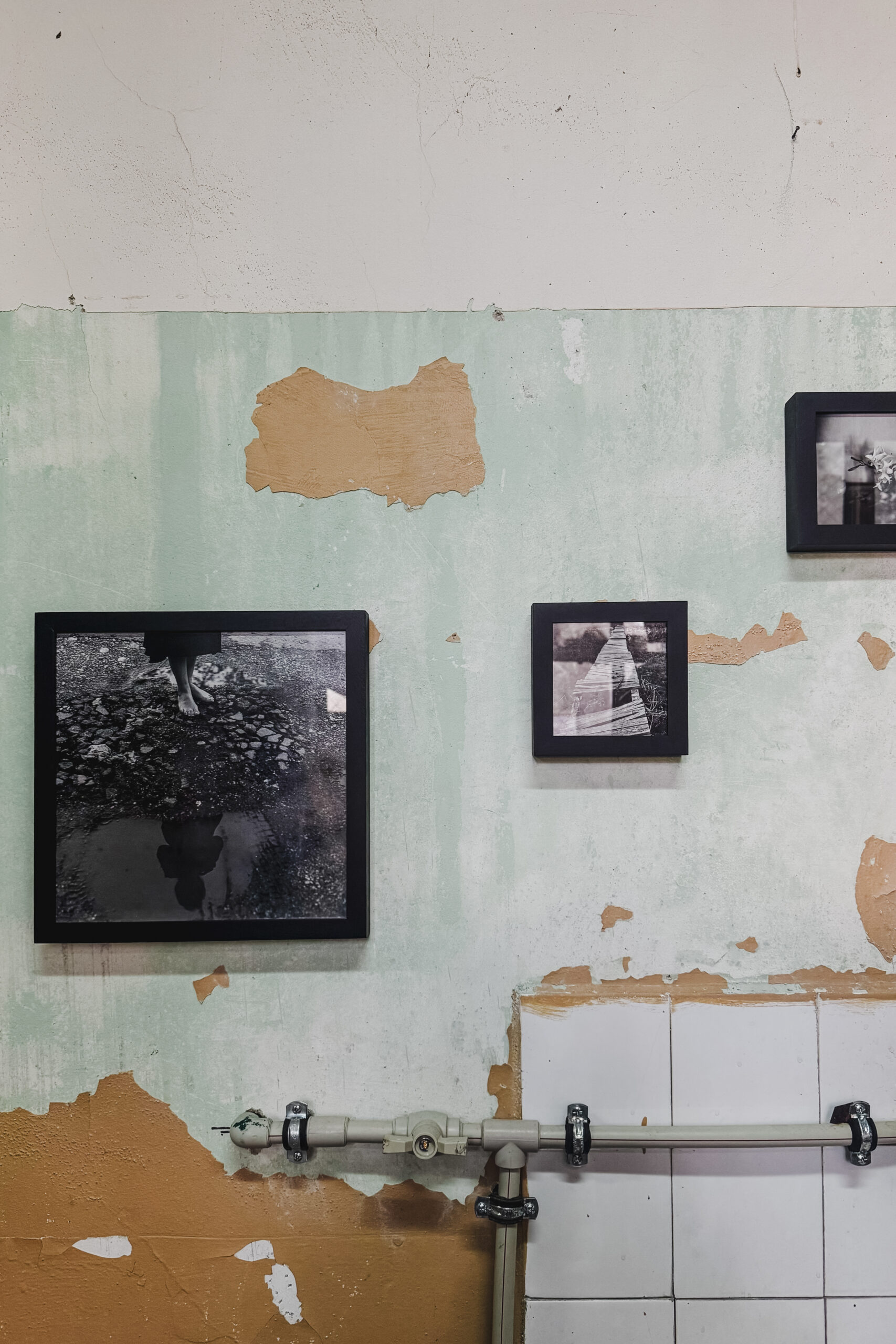
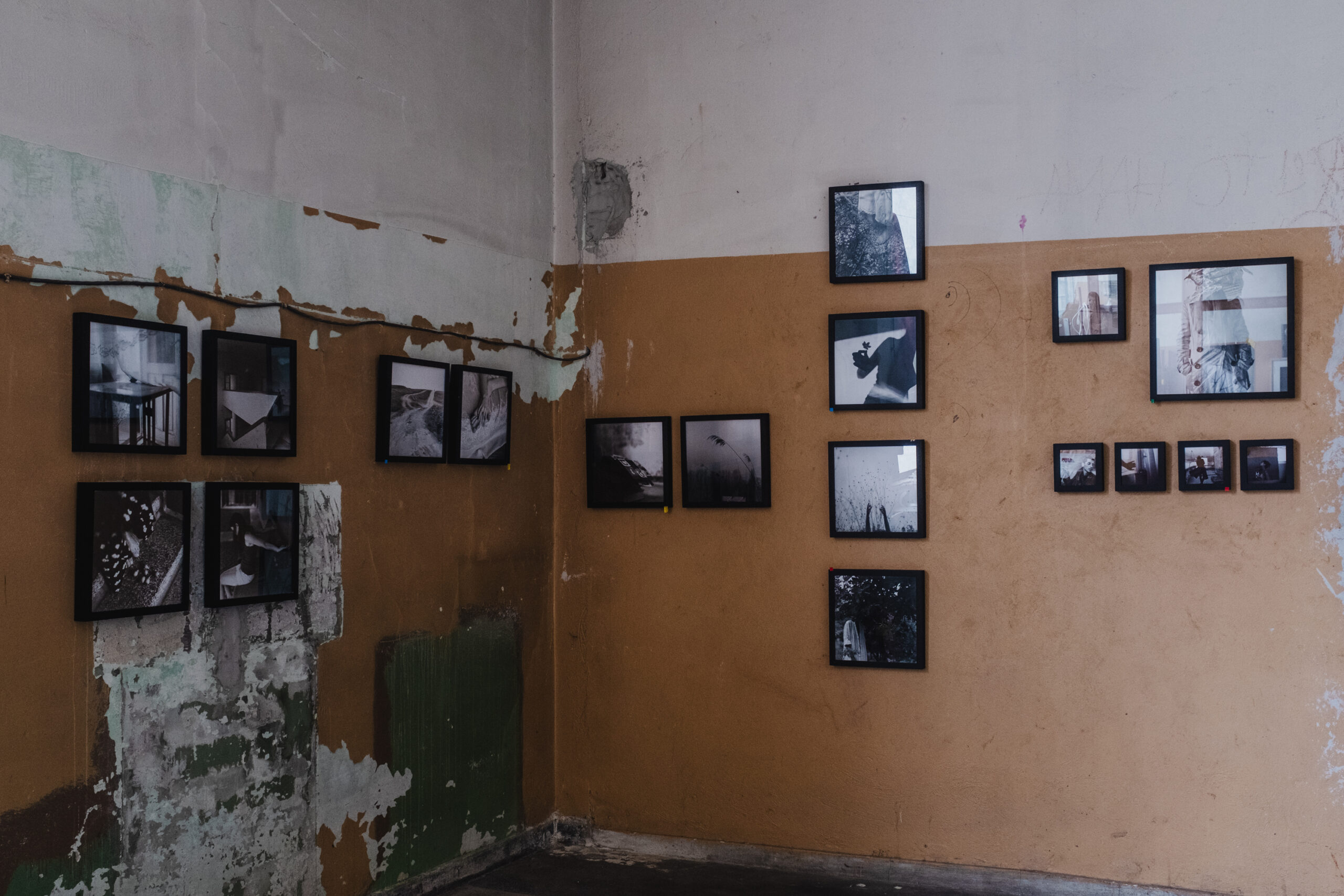
The photographs of Alexandra Patova (whom many remember as AlexMalex) explore solitude as a space for contemplation and imagination. Her series On Wandering comprises black-and-white images shot between 2007 and 2017, in which the ordinary becomes extraordinary and nostalgia intertwines with the everyday. Here, solitude is not the absence of others, but a state of attentiveness that turns daily life into poetry. The selection and preparation of the prints were a collaborative effort between the artist and the RadLab team. All photographs were hand-made using the classic silver-gelatin process in the studio’s darkroom. If you wish to own a signed analog print from the series, you can contact us or Alexandra.
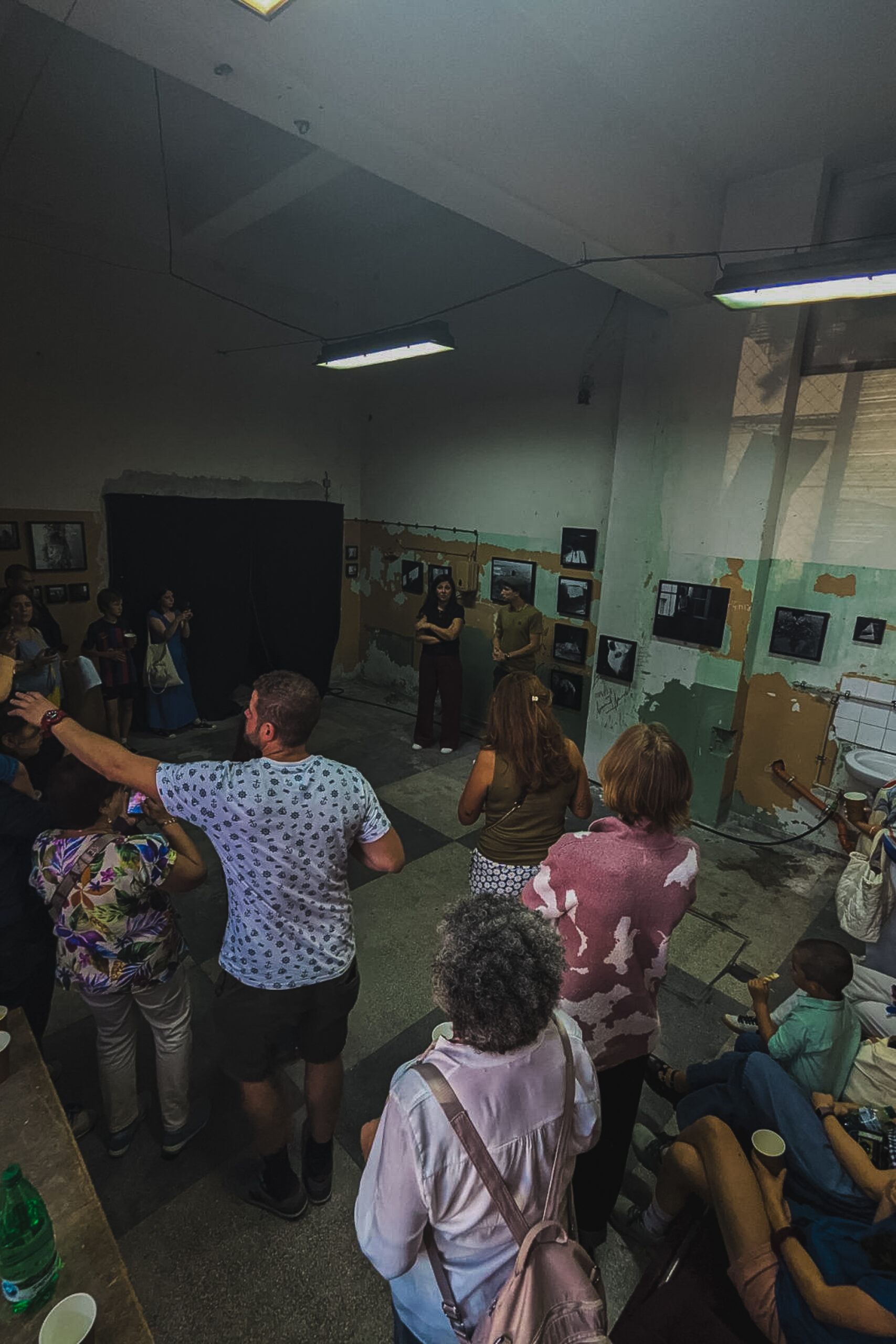
photograph: Drago Goranov | @drago.goranov
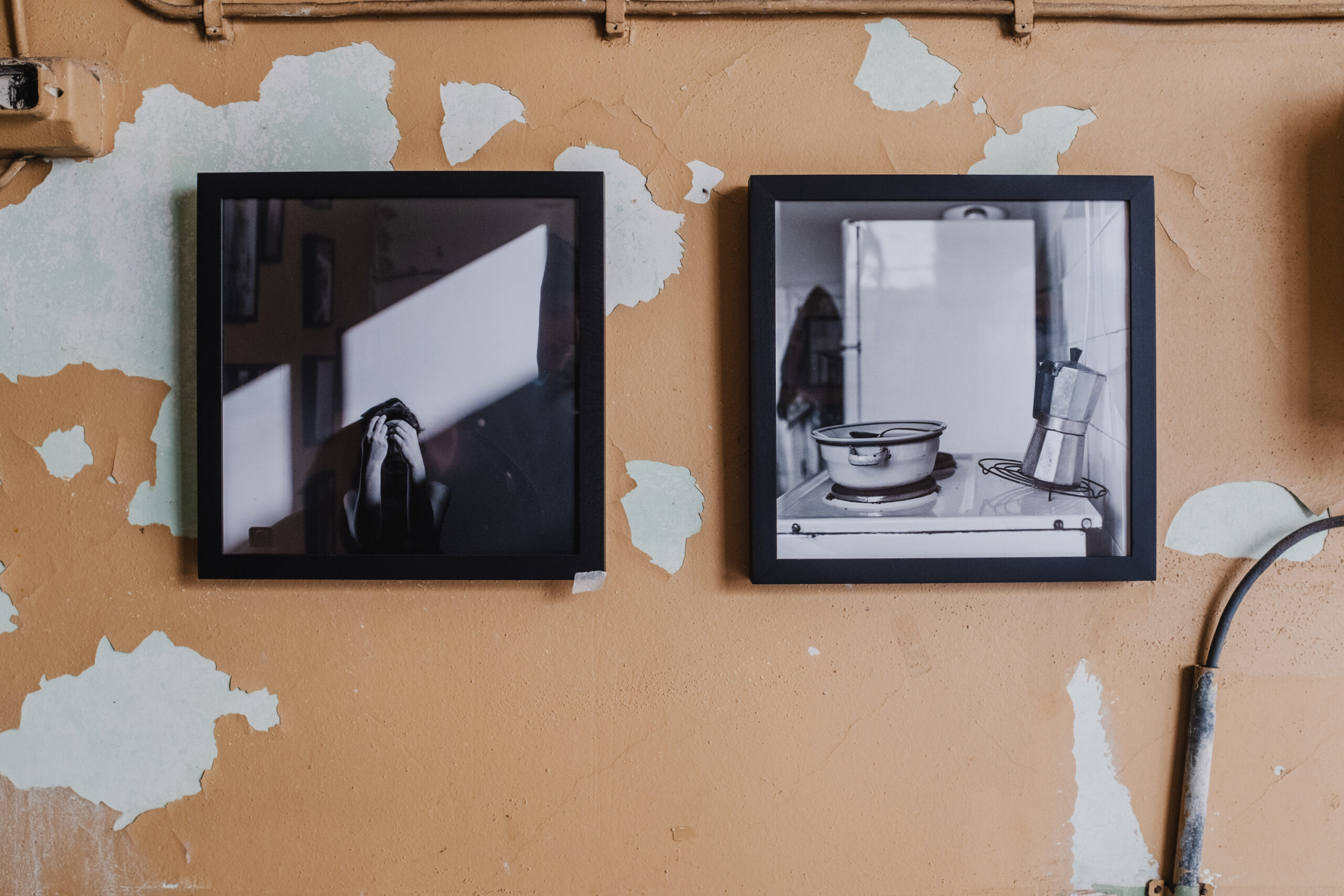
The black-and-white frames, captured primarily with a medium-format film camera, explore themes such as the premonition of nostalgia, the experience of the mundane as something extraordinary, and the return to forgotten places and emotions.
photograph: Ivelin Penchev – Ivicha | @ivich_
photograph: Anjelika Davidkova | @anjelika.davidkova
photograph: Ivelin Penchev – Ivicha | @ivich_
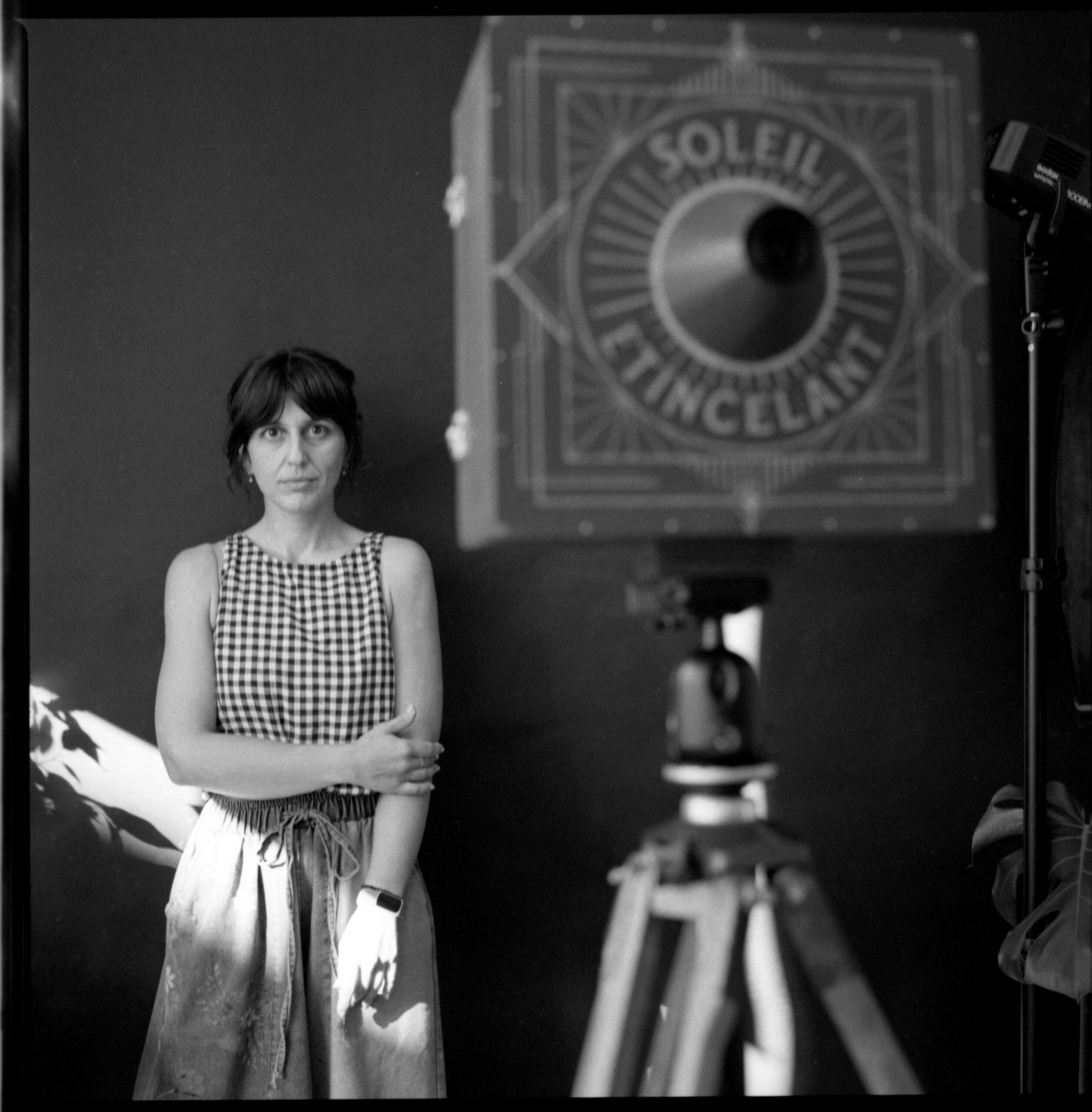
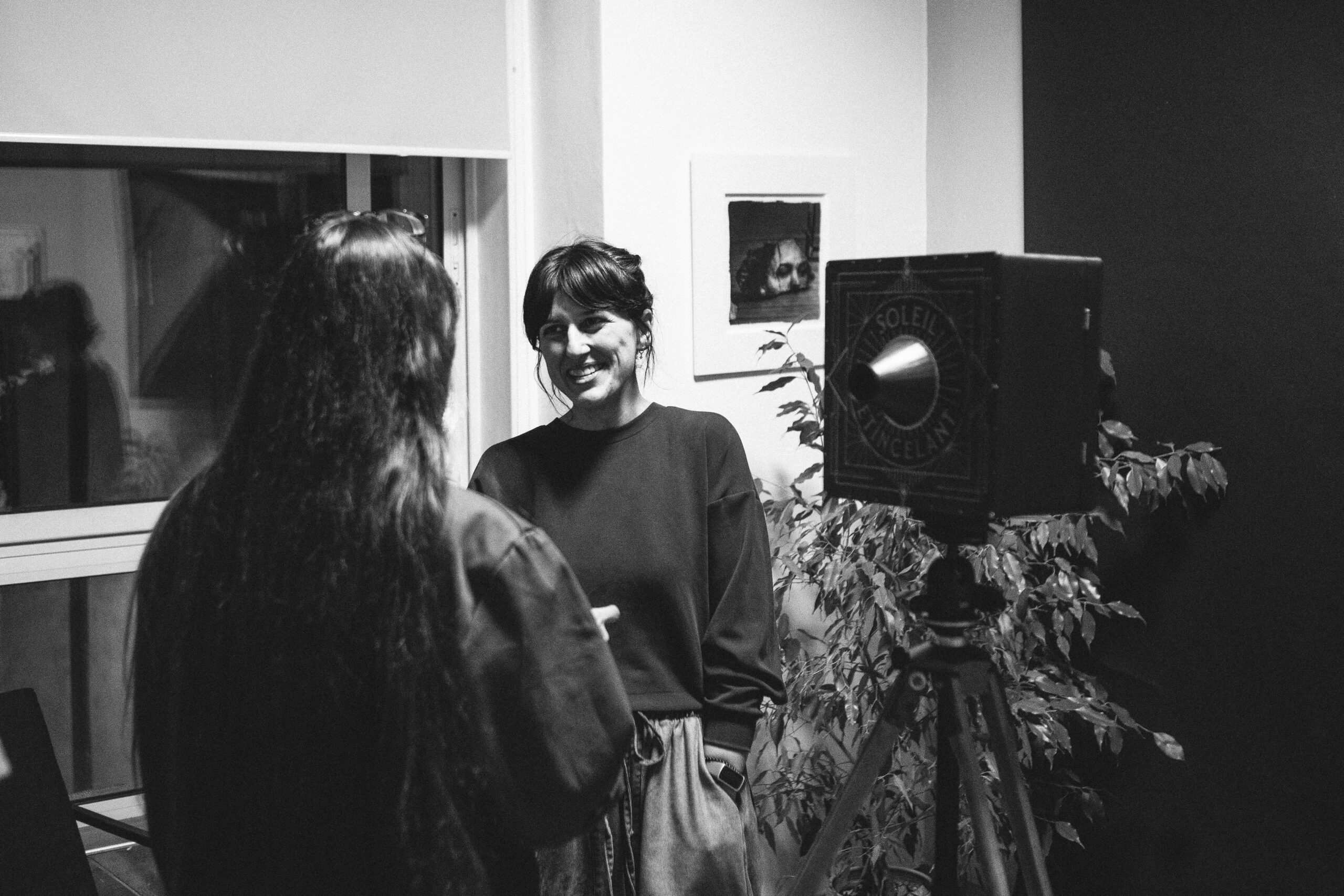
In her project Solitude, Galina Licheva treats light as both subject and metaphor — a quiet companion through which she contemplates the nature of loneliness. Light appears not merely as illumination, but as presence: it shapes space, defines consciousness, and opens room for introspection.
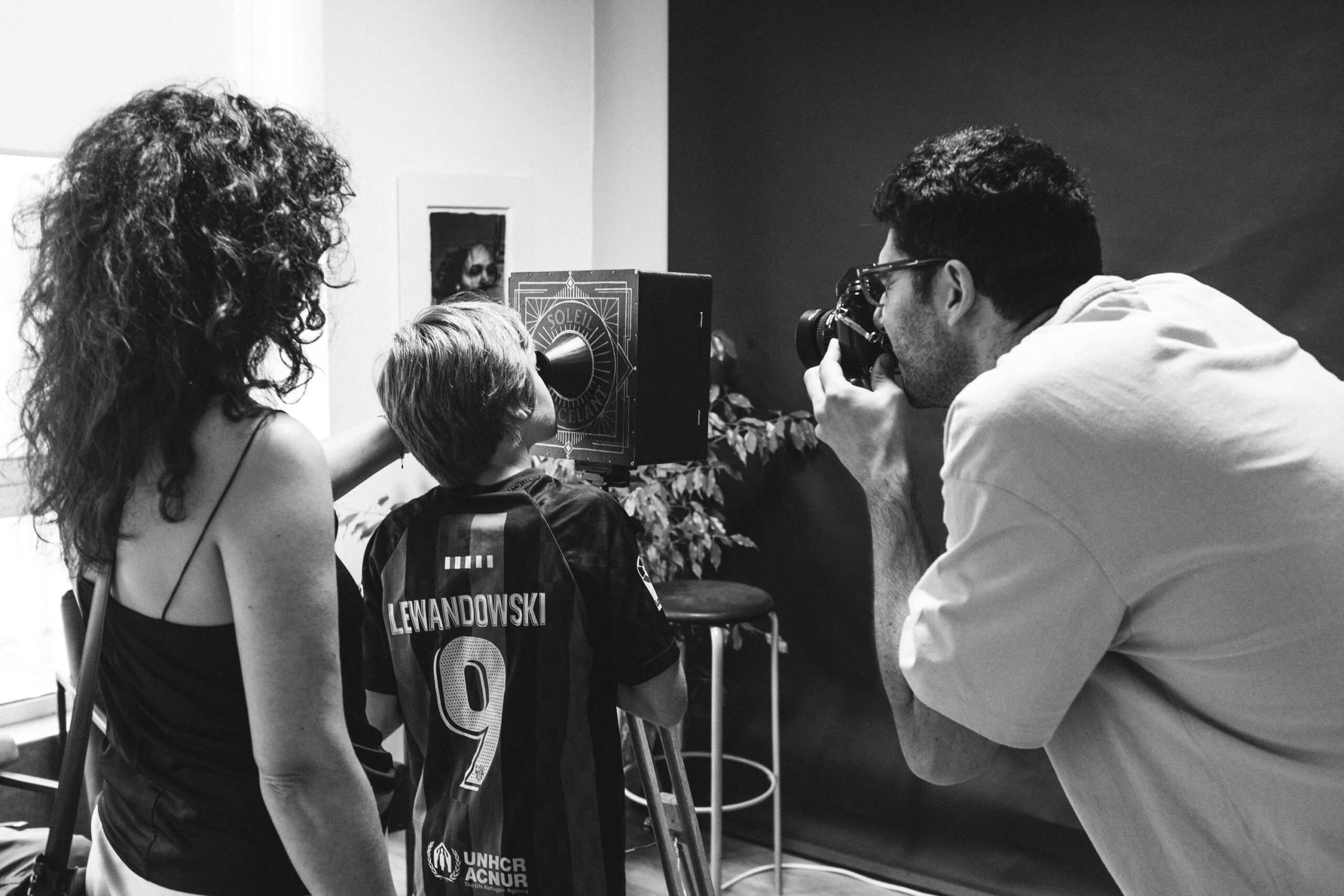
Set against the boundless black-and-white horizon of the sea, where light is the only point of orientation, her images pose a lingering question: is solitude an emptiness, or a space of freedom and revelation? What begins as observation turns into fiction — the sea itself acquiring a voice. That voice carries into Soleil Étincelant, an installation that invites viewers to look through its eyepiece and become part of the work, where light animates the surface, transforming a two-dimensional photograph into a living, three-dimensional encounter.
If you are interested in Galina Licheva’s artworks or wish to hang a piece from her series on your wall, please contact us or reach out to the artist directly.
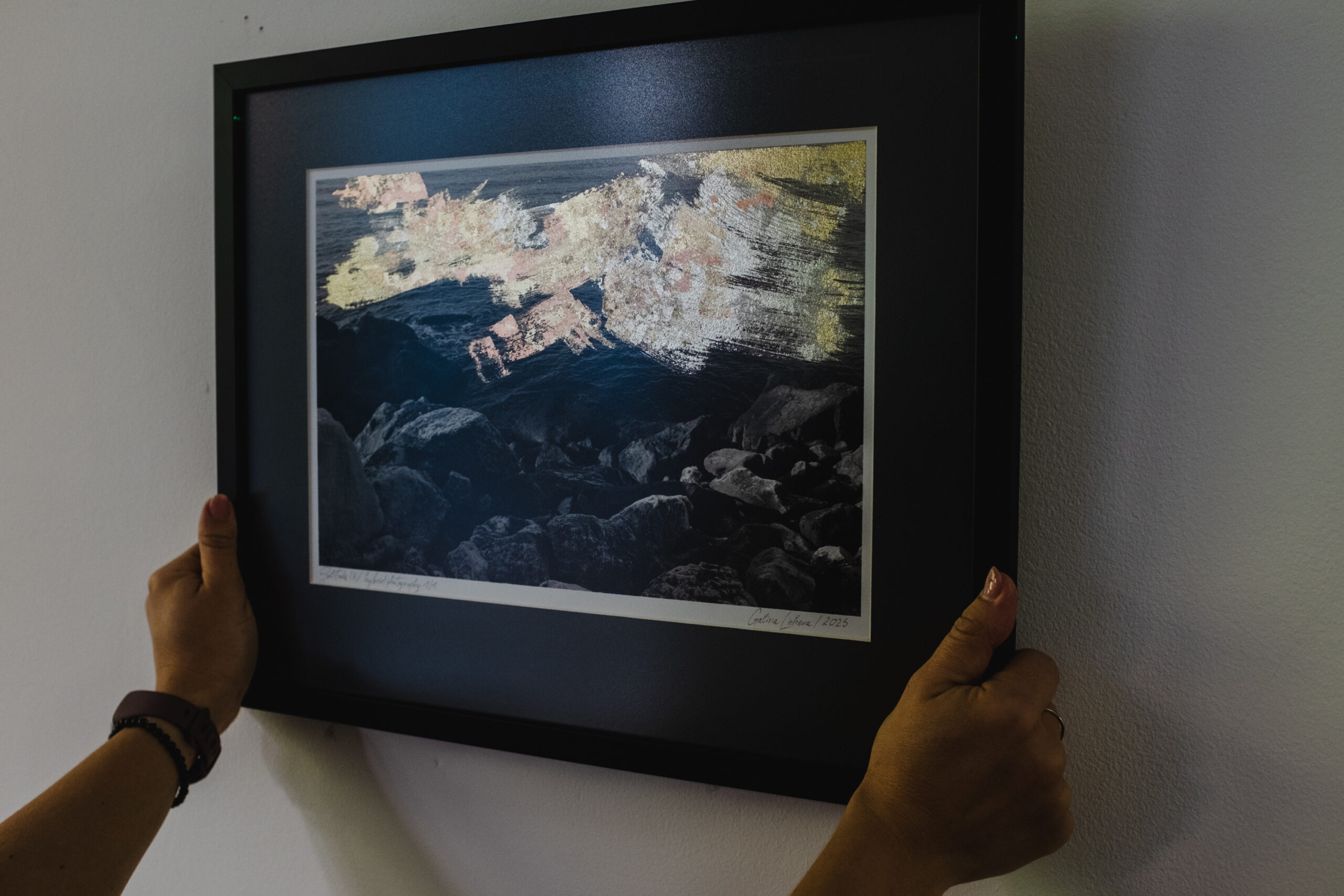
Through expressive interventions on the photographic surface — the application of gold leaf, piercing, painting, and other tactile gestures — Galina Licheva creates a sensory experience in which photography transcends the documentary and moves into the realm of the poetic and the material.
photograph: Ivelin Penchev – Ivicha | @ivich_
photograph: Drago Goranov | @drago.goranov
photograph: Ivelin Penchev – Ivicha | @ivich_
photograph: Erol Kerim | @turntablism
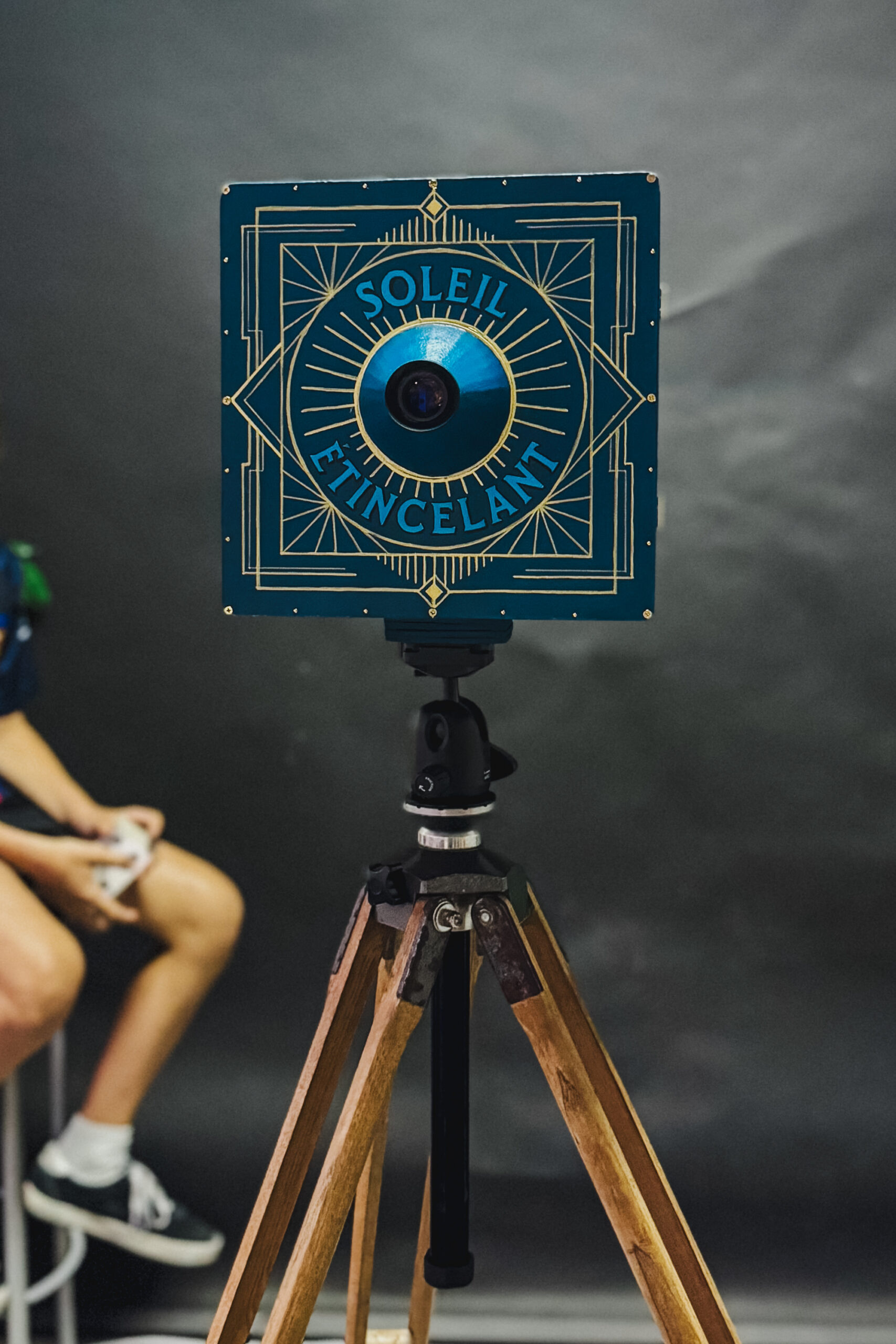
The Photoscope Soleil Étincelant
photograph: Diana Popova | @bluebottleflower
photograph: Ivelin Penchev – Ivicha | @ivich_
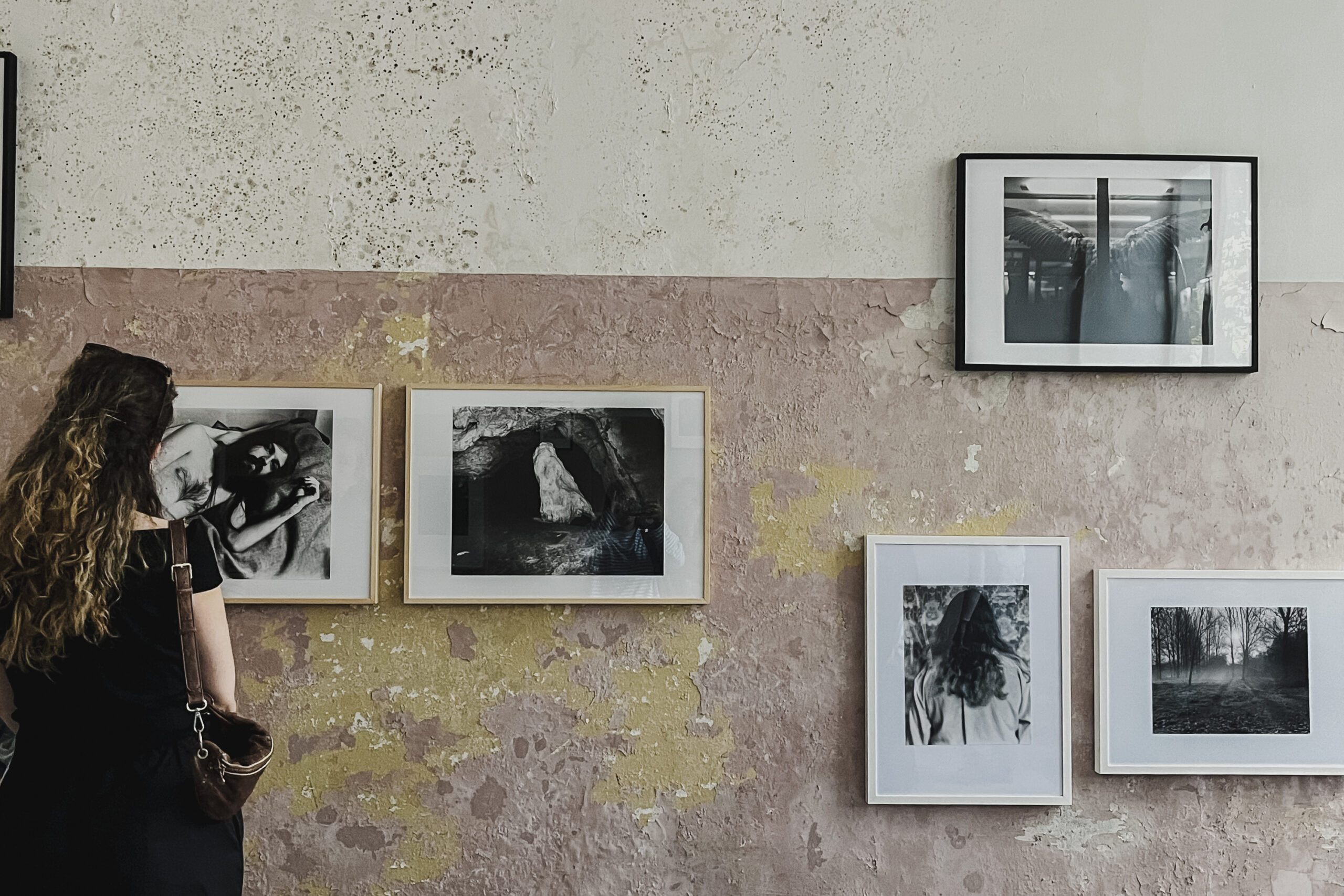
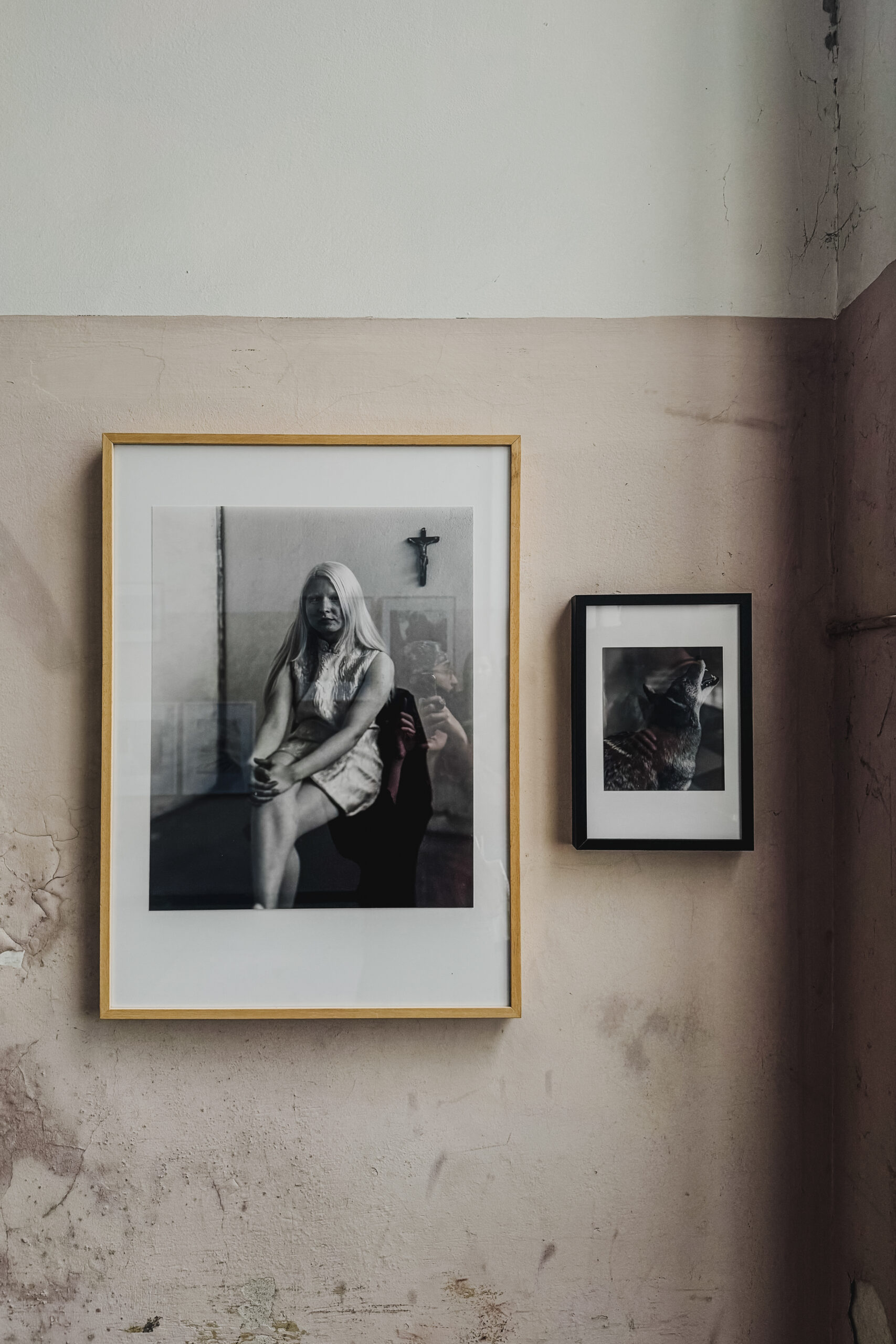
Whether or not faith carries a religious dimension, every encounter with it ultimately leaves one alone. It is precisely this solitude — the space between doubt and hope — that lies at the heart of Dimitri Stefanov project Amin. The series was born from the sense that faith has become a foreign land in the modern world. Inspired by fragments from the Bible, the project seeks to restore an emotional connection with the Word — not as religious doctrine, but as an inner truth.
Composed of raw landscapes, restrained portraits, and solitary symbols, the works chart a territory where belonging and belief feel distant yet necessary. Like a play unfolding on the stage of life, Amin invites viewers to witness a silent performance — a procession of images where the dialogues are hushed, but deeply resonant.
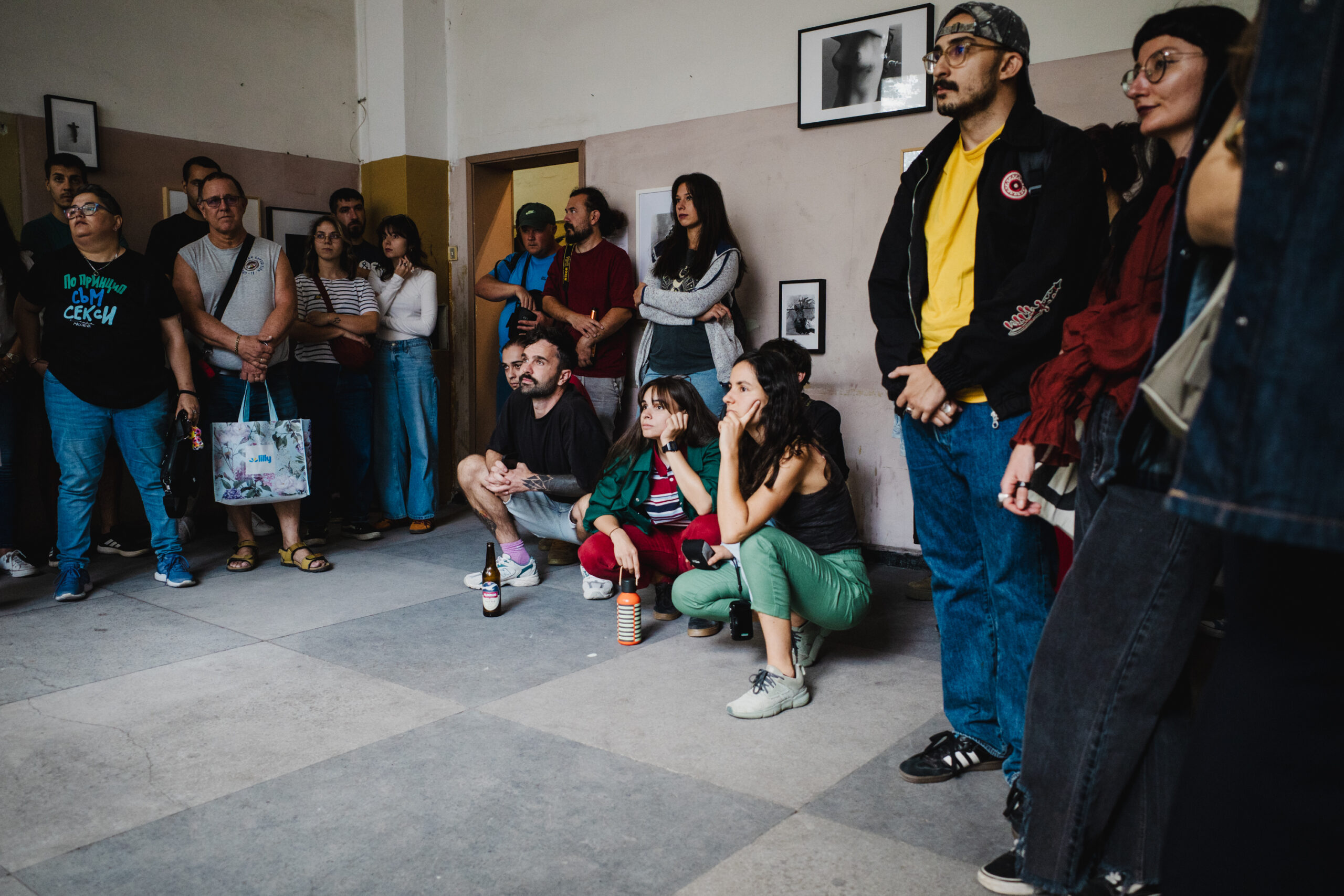
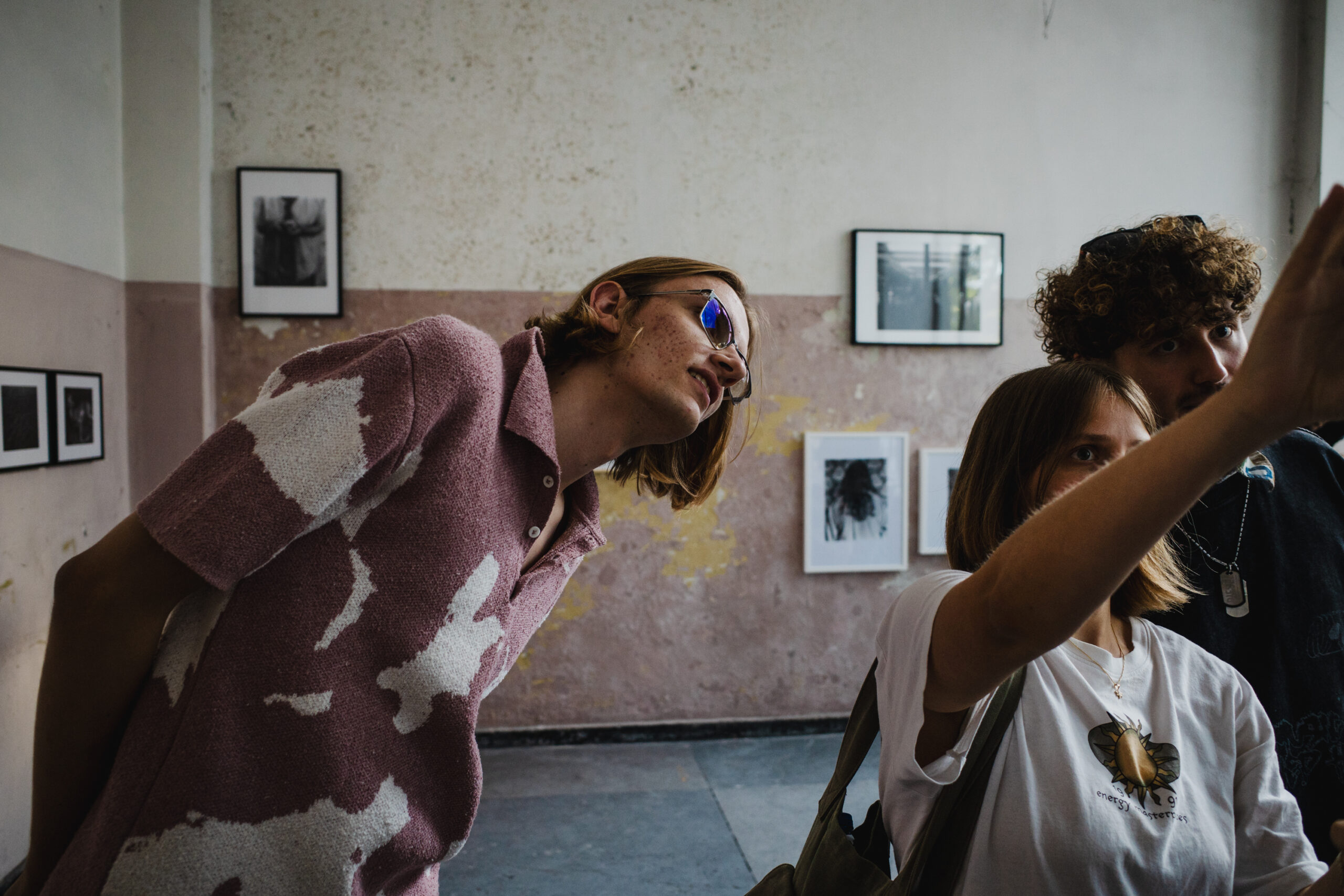
Following the opening of the exhibition, Dimitri engaged in a conversation with the audience, sharing moments from his creative process and reflecting on how photography can interpret and reimagine reality.
photograph: Miroslav Bazitov | @bazitov
photograph: Rachel Kluge | @rachelkluge_
photograph: Miroslav Bazitov| @bazitov
photograph: Anjelika Davidkova | @anjelika.davidkova
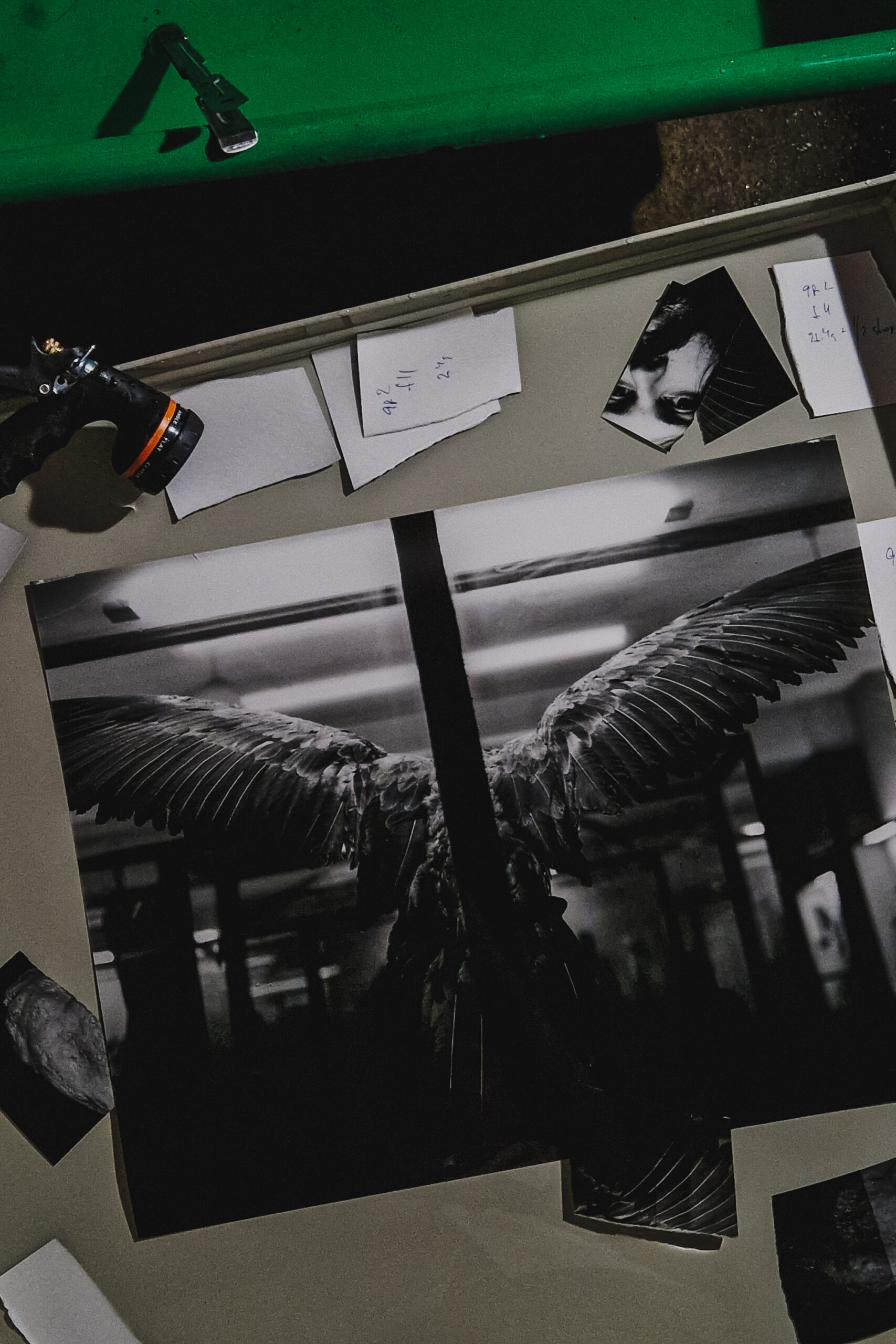
Presented as part of the De Vita Solitaria Festival, the exhibition Amin was hand-printed at RadLab Studio as a series of authentic silver-gelatin prints.
photograph: Ivelin Penchev – Ivicha | @ivich_
The Mechanics Behind the Image
At the festival, the Geek Talks were far more than casual side conversations — though one could easily stumble into one of those too. From the very conception of De Vita Solitaria, we defined dedicated platforms to explore the technical side of photography. After all, what kind of photography festival would it be if we didn’t also turn our gaze to the mechanics behind the image?
In the analog world, that field is vast — from cameras and optical devices to development and printing processes — overflowing with creative possibilities that often define the very character of an image.
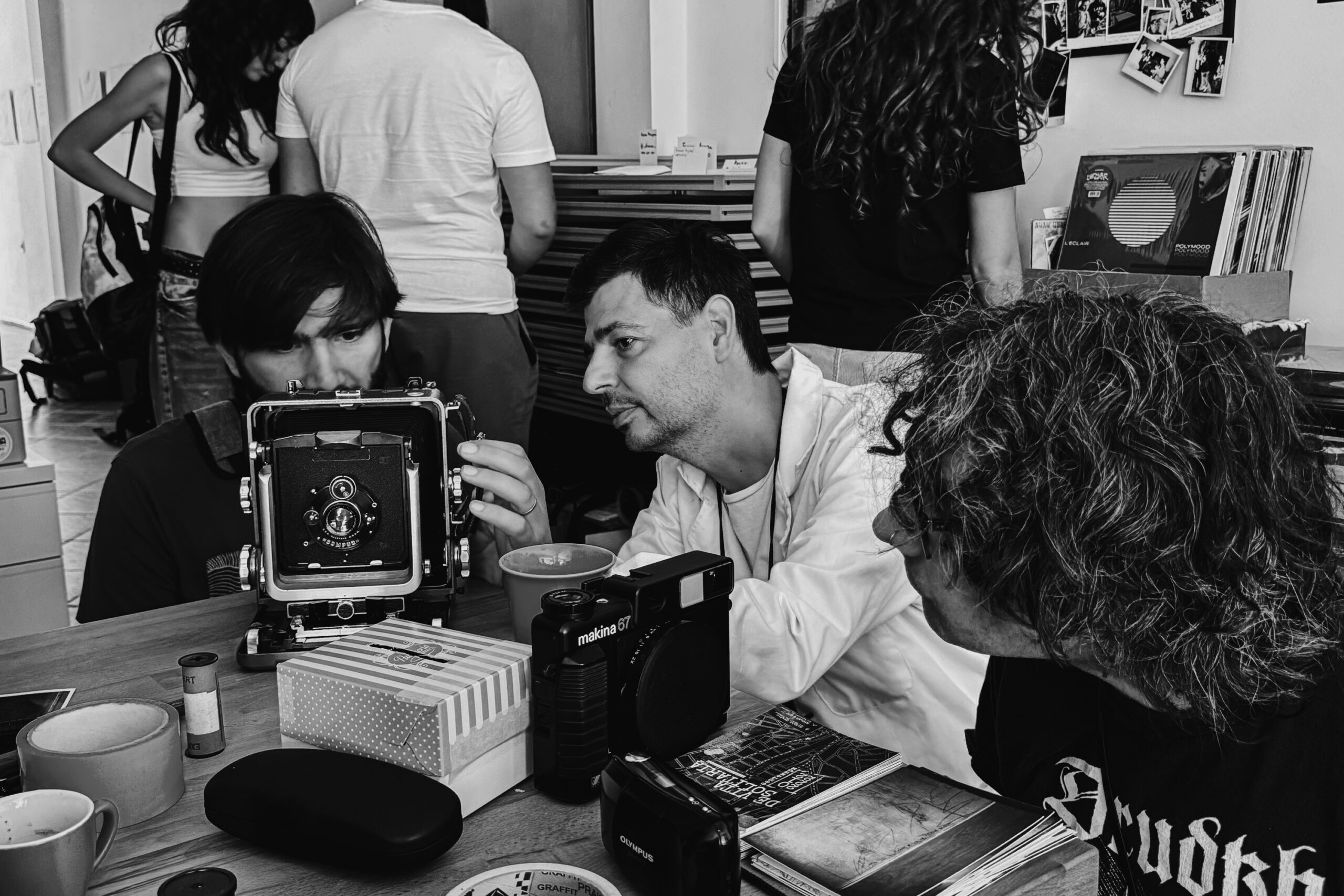
Deyan Yordanov led the first of the technical workshops, offering a practical guide on how to maintain analog cameras, what to look for when buying second-hand equipment, and how to care for the precision of its mechanical systems. His demonstration included a live CLA (clean, lubricate, adjust) service on a Nikon F3 — adjusting curtain tensions, calibrating shutter speeds, replacing seals, cleaning, and lubricating components. The session concluded with Deyan testing shutter speeds on cameras brought by participants.
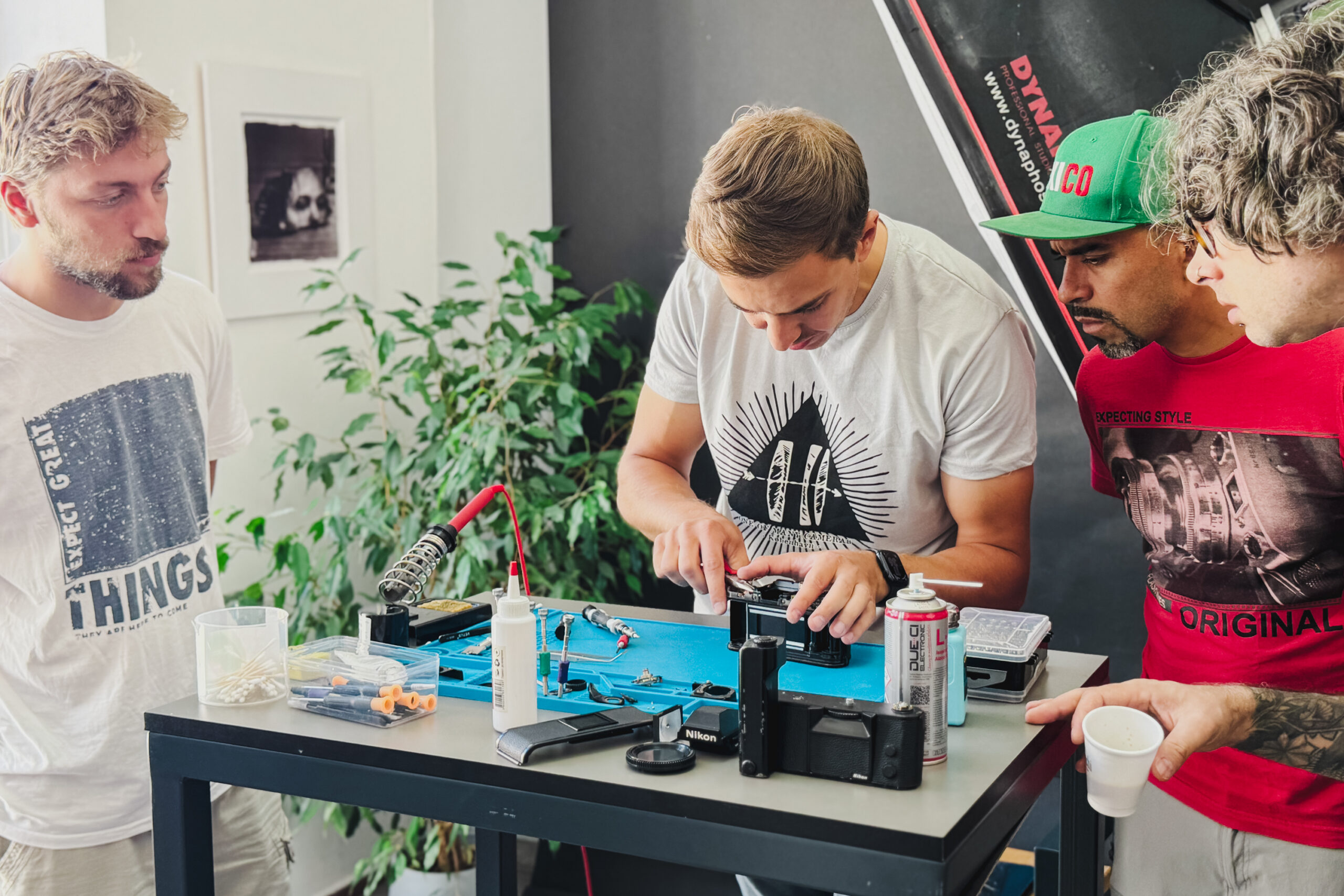
“After thousands of hours in front of a monitor, I need to work with my hands — but not with a mouse and keyboard.” shared Deyan.
photograph: Diana Popova | @bluebottleflower
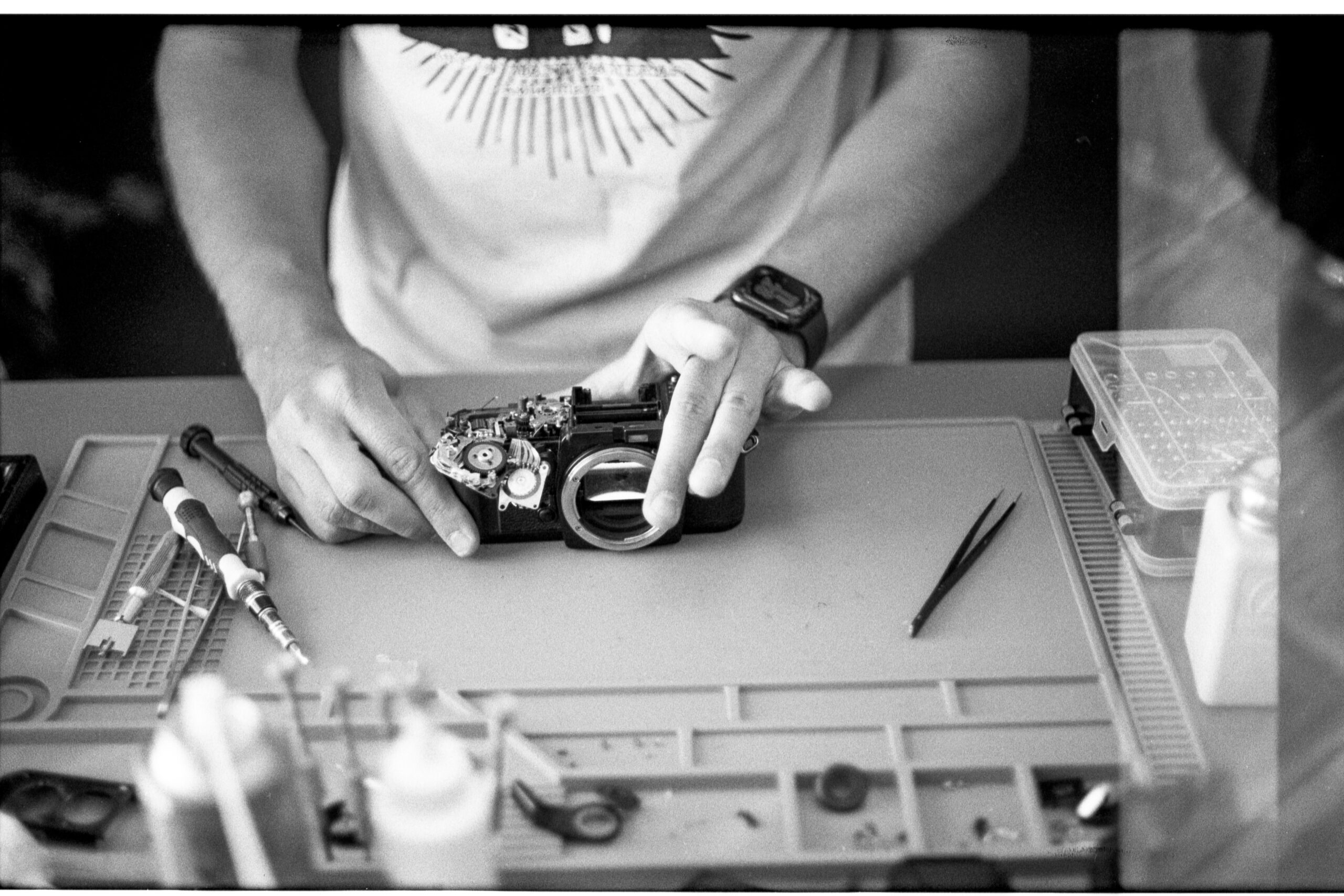
photograph: Antoni Bratanov | @antoni_bratanov
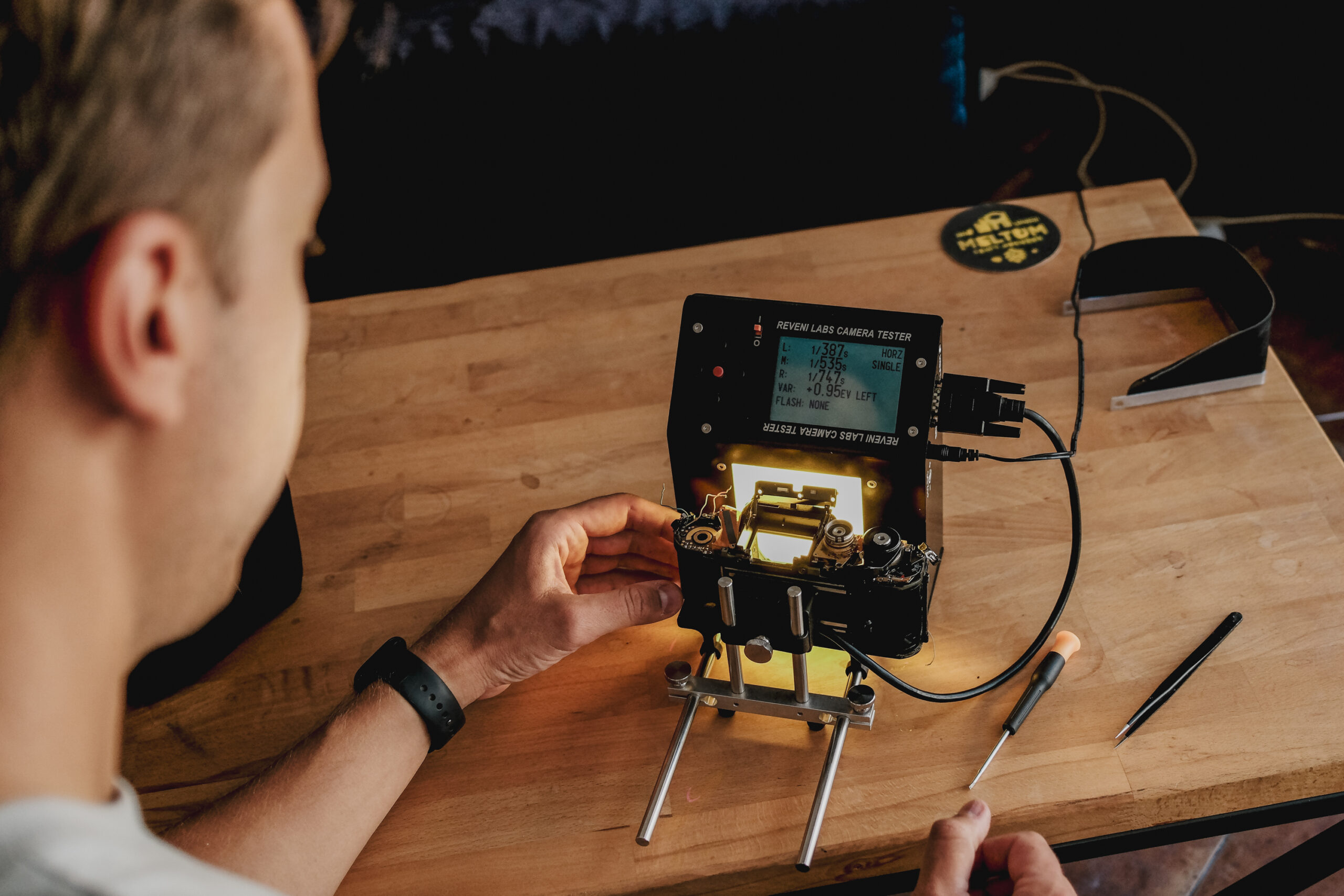
Shutter speeds check with Reveni Labs Camera Tester.
photograph: Marina Ivanova | @marinaiv._
The Geek Talks naturally evolved from this same spirit — a free, open platform where anyone could share their DIY solutions, inventions, and experimental approaches born out of curiosity, the desire to understand processes from within, or simply the need to solve a problem without relying on a bank account.
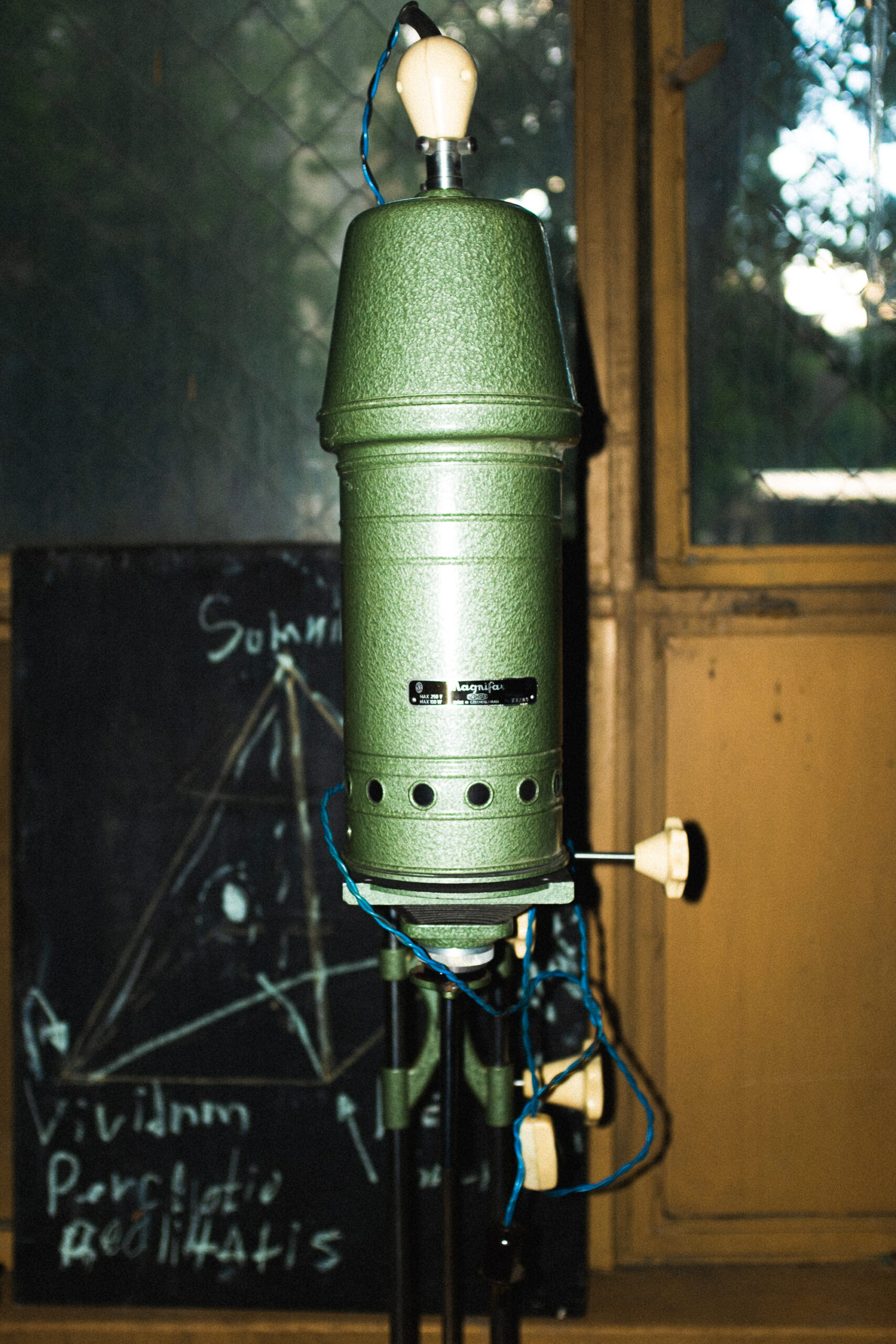
For the second year in a row, Stefan Ivanov, Erol Kerim, and Nikola Dyulgyarov hosted the session, presenting their latest innovations — including a modded enlarger head for the DURST Laborator 1000 equipped with a calibrated LED system Ver. 2.0, as well as a timer and unit for contrast control. All of these creations address challenges we encounter when working with the silver-gelatin process or optimize the equipment for time, energy, and material efficiency.
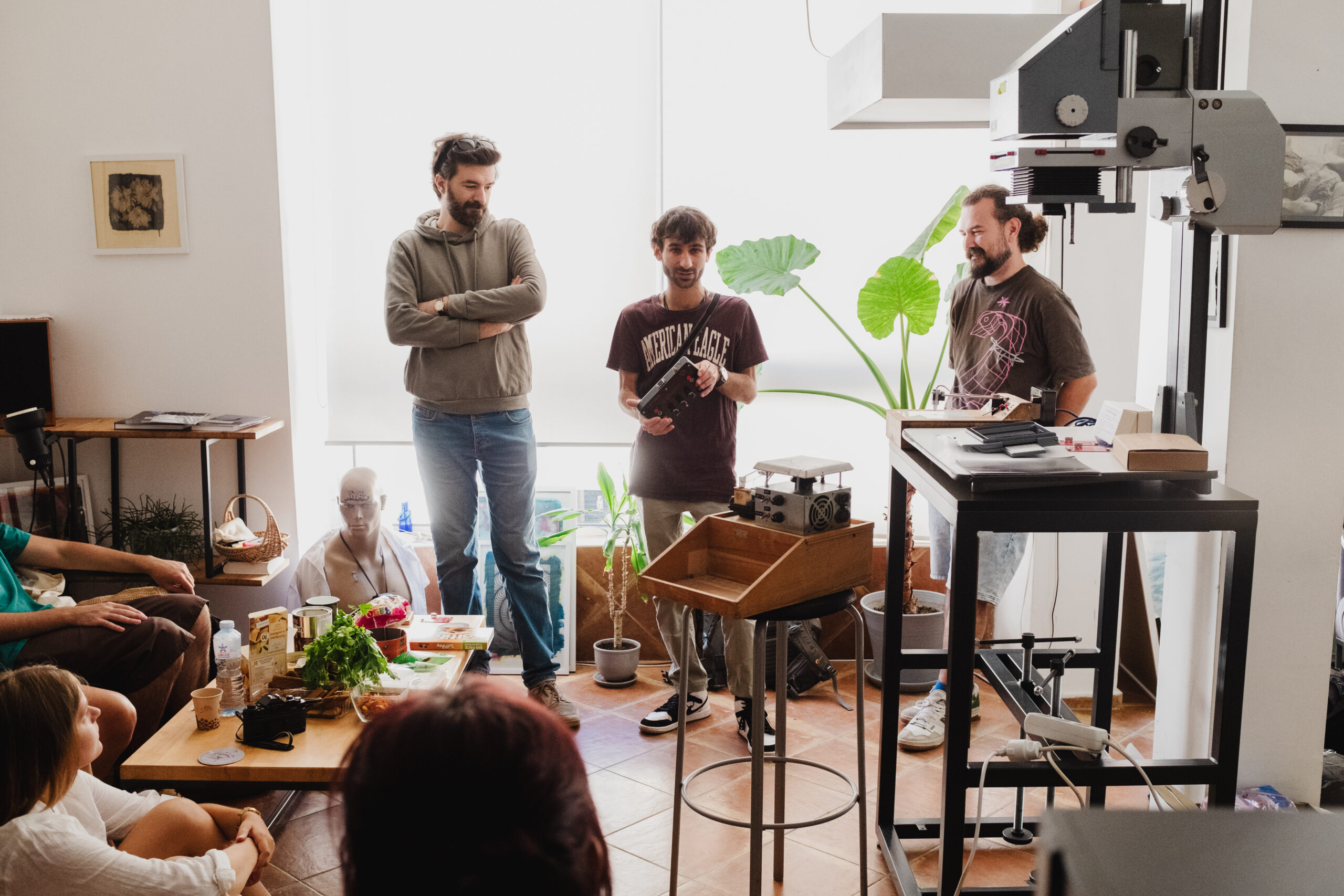
photograph: Ivelin Penchev – Ivicha | @ivich_
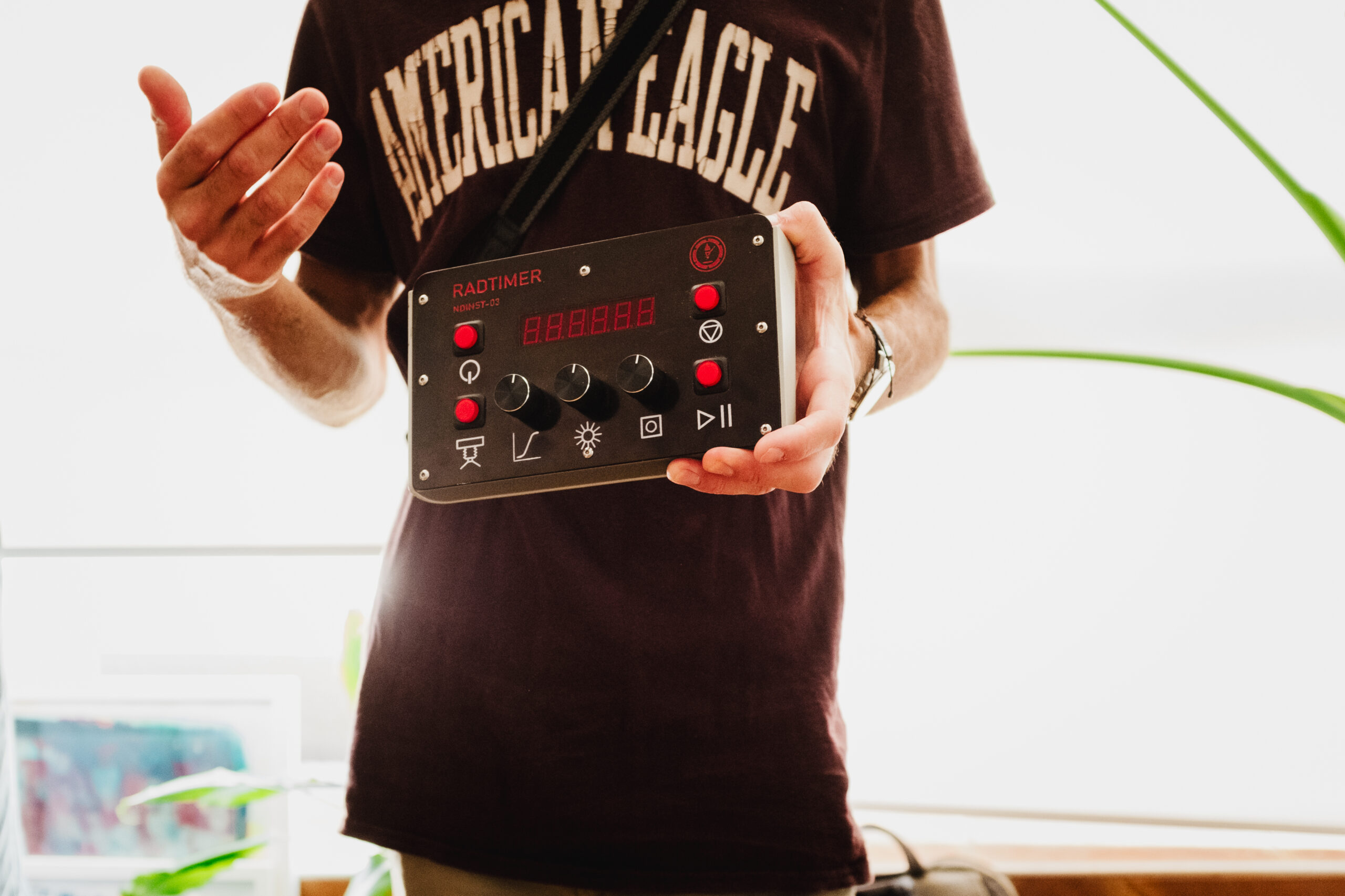
The RADTIMER (serial no. NDINST-03) — designed and built by Nikola — was responsible for controlling the light exposure in all the silver-gelatin prints produced for the De Vita Solitaria exhibitions.
photograph: Ivelin Penchev – Ivicha | @ivich_
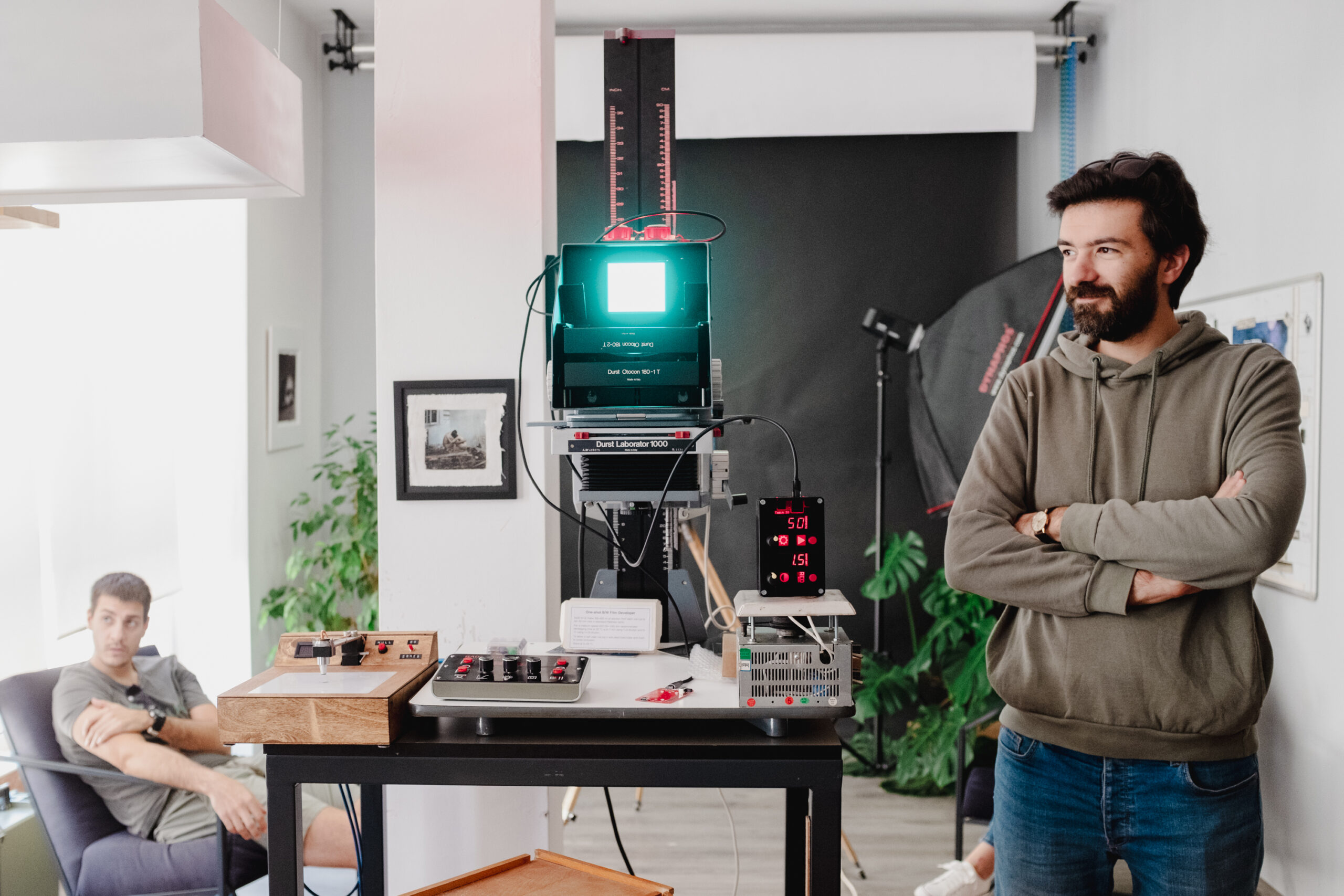
photograph: Ivelin Penchev – Ivicha | @ivich_
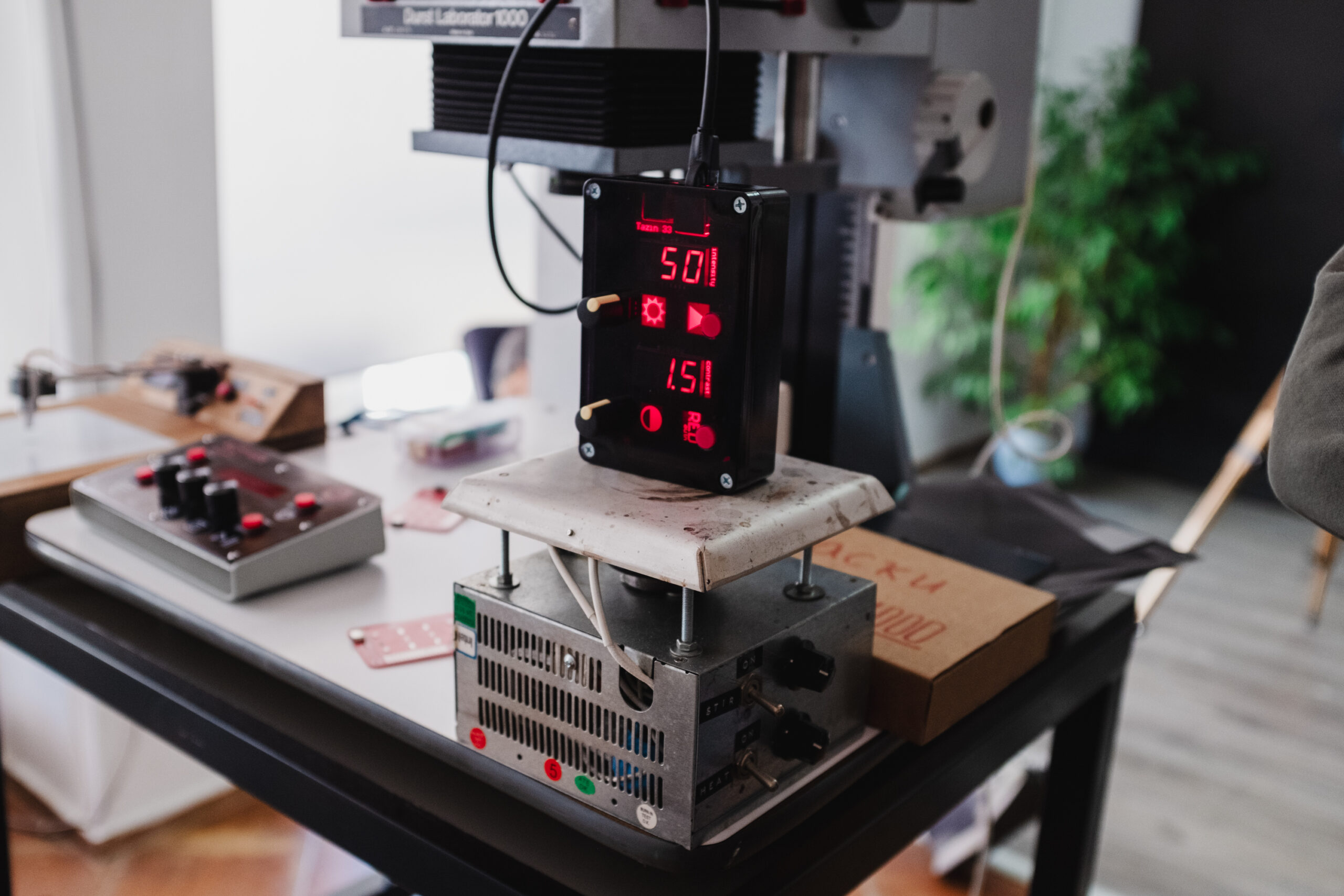
Beyond their remarkable precision, one cannot overlook the futuristic, 1980s-inspired design of these devices (the one pictured below is Nikola’s first DIY magnetic stirrer).
photograph: Ivelin Penchev – Ivicha | @ivich_
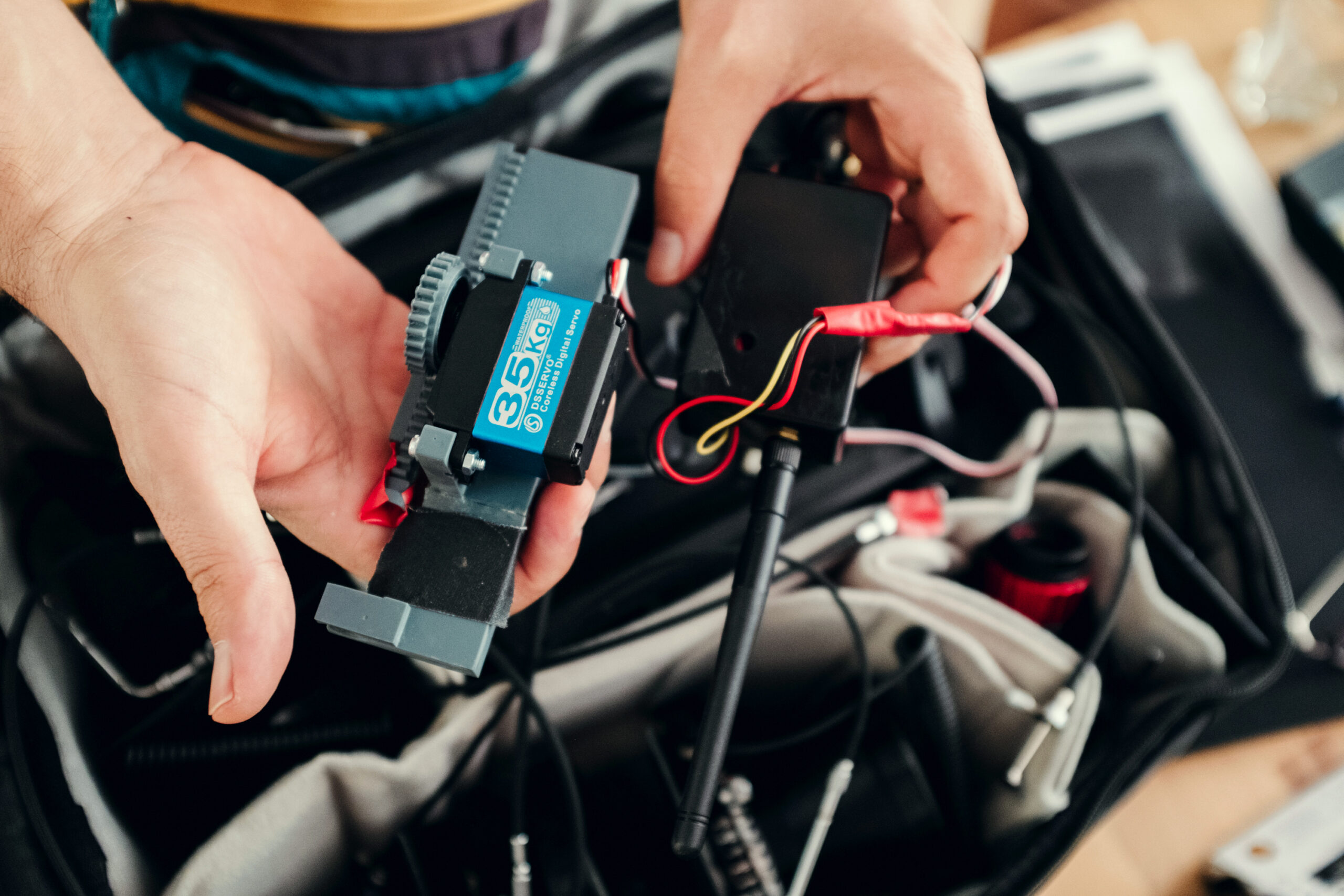
Another highlight: a 3D-printed camera cable-release trigger with Bluetooth control, designed and programmed by Miroslav Bazitov.
photograph: Ivelin Penchev – Ivicha | @ivich_
Instead of a closing line
We extend our heartfelt thanks to all participants who traveled hundreds of kilometers to help shape the unique spirit of this event in Gabrovo — to the artists, mentors, and speakers, as well as to the photographers whose images appear in this article. Special thanks go to those who remained behind the scenes — Aleksandra Yarumova, Iva Rankovska, Radostina Grahovska, and Elisaveta Gilina — for their quiet but invaluable support.
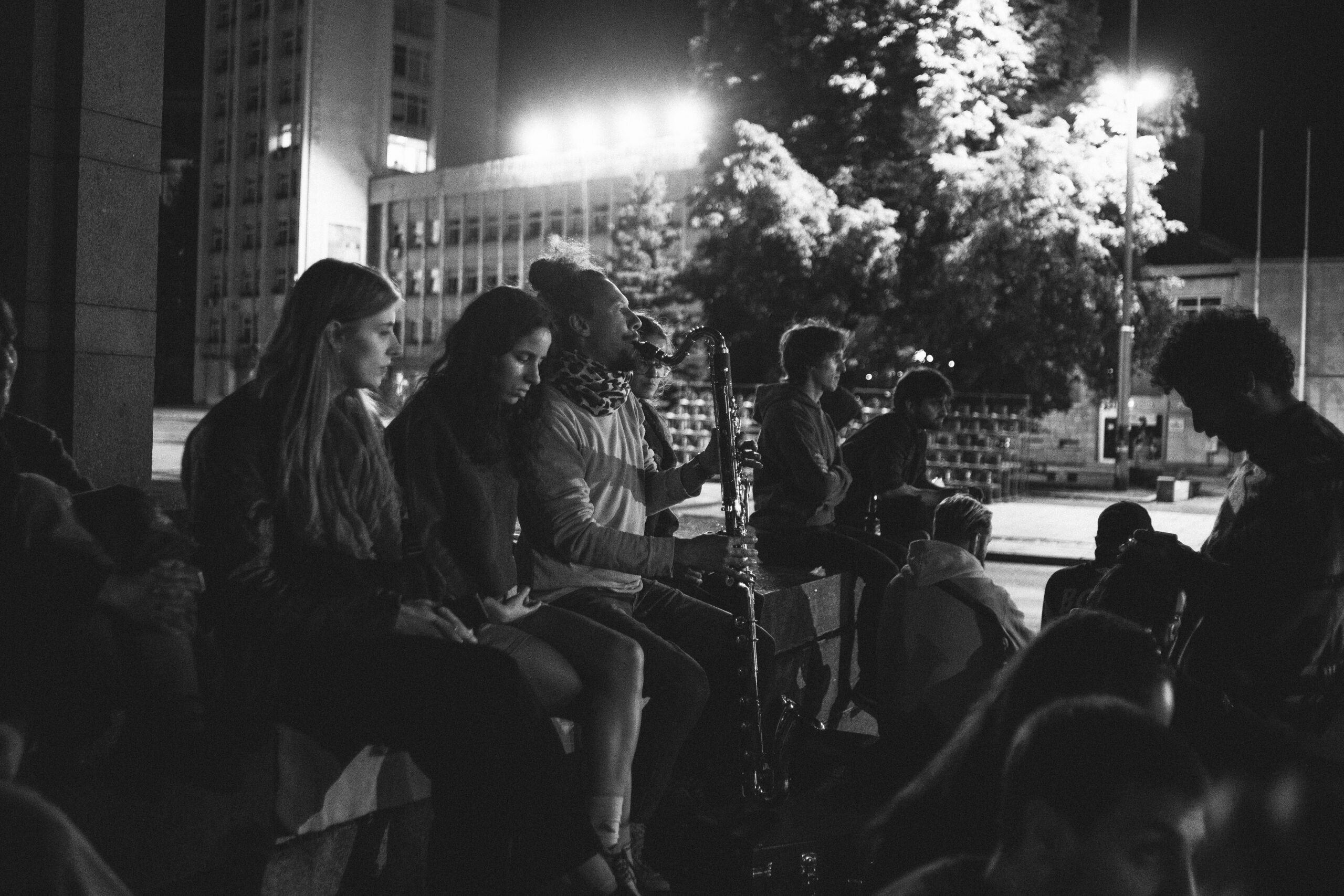
Instead of a closing line, we leave you with a few more glimpses from the atmosphere of De Vita Solitaria 2025.
Until next year.
photograph: Viktor Kolev | @drpdddd
photograph: Drago Goranov | @drago.goranov
photograph: Viktor Kolev | @drpdddd
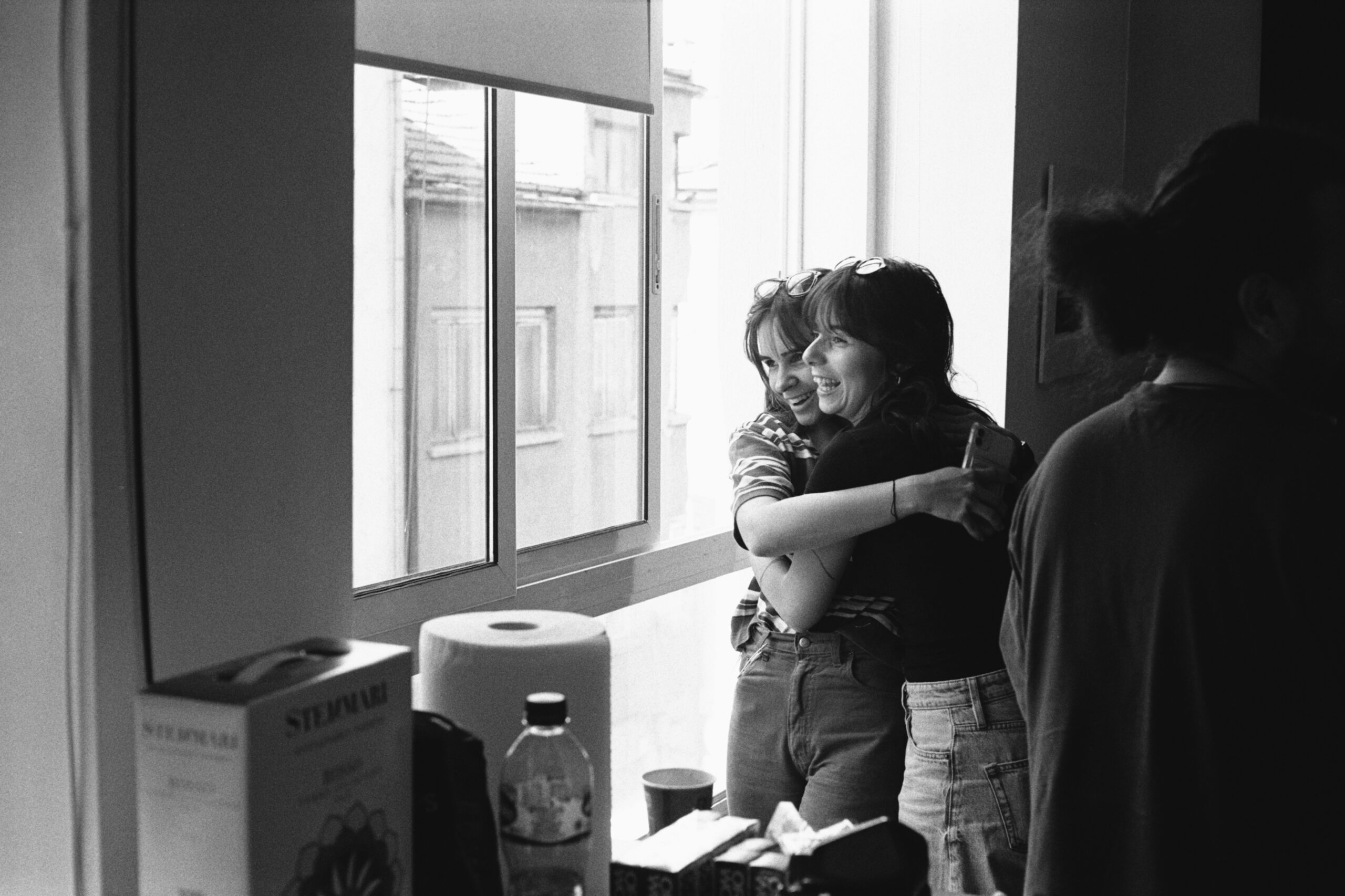
photograph: Eugene Zagidullin | @chicorymantis
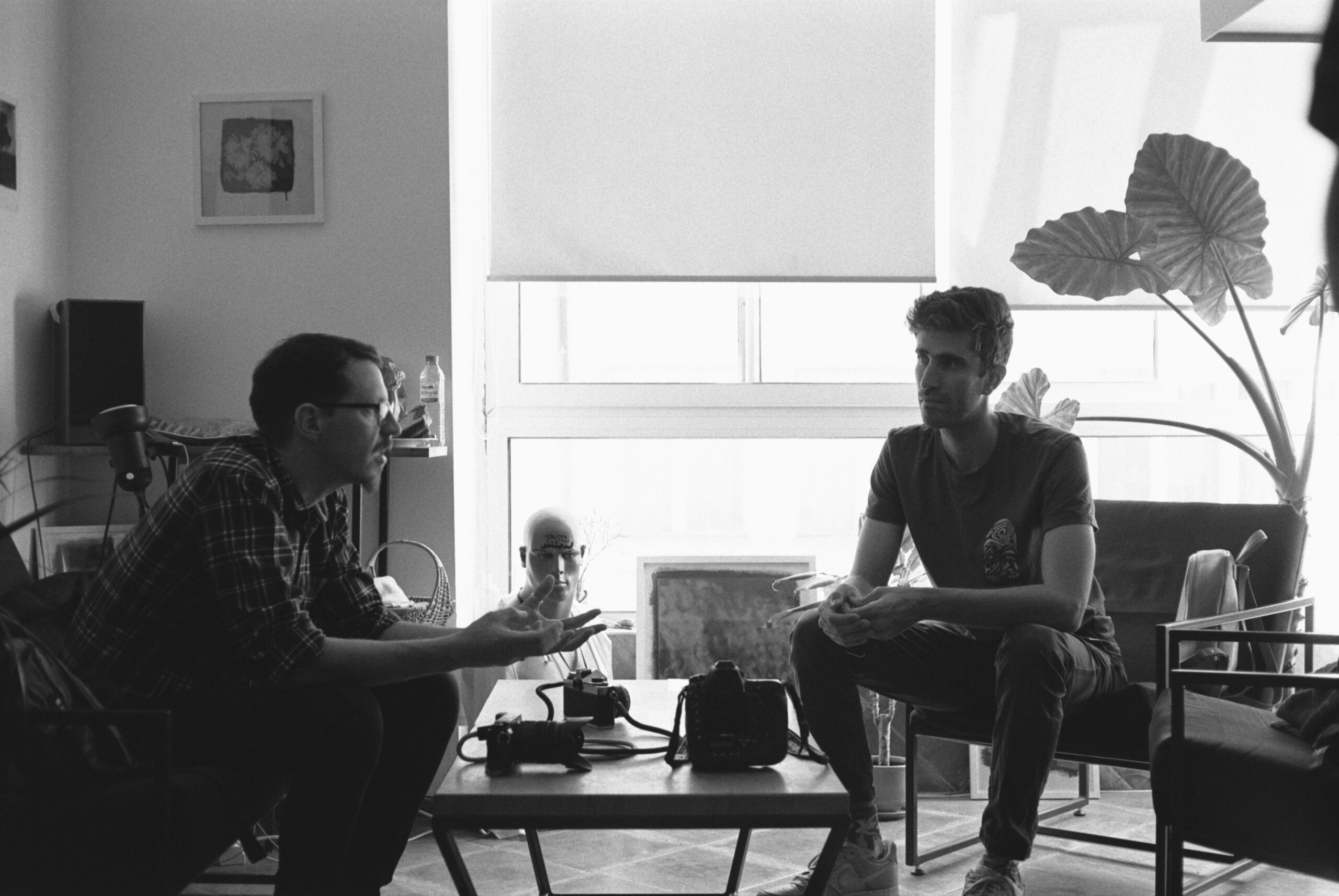
photograph: Eugene Zagidullin | @chicorymantis
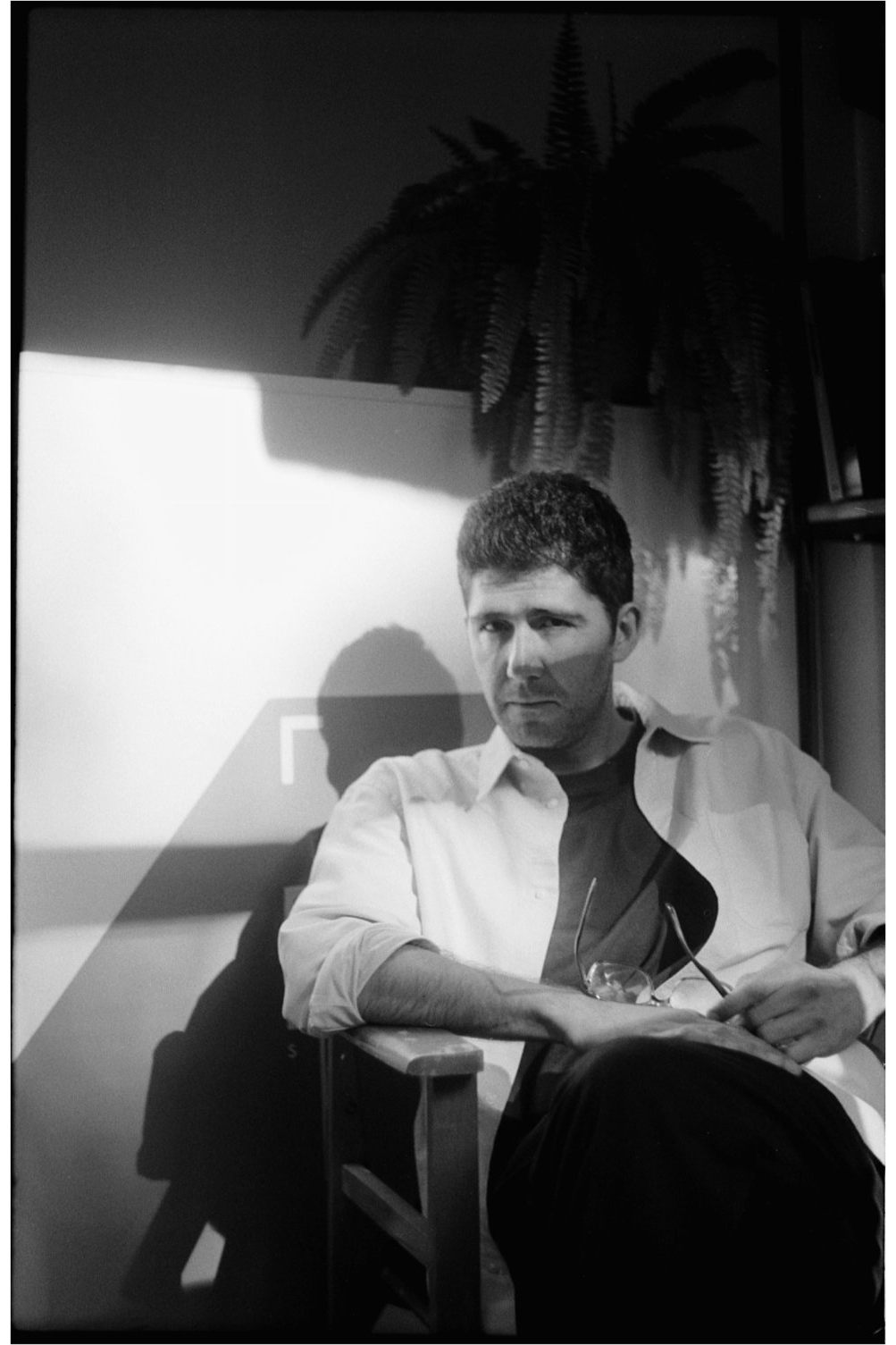
photograph: Iren Krumova | @iren.krumova
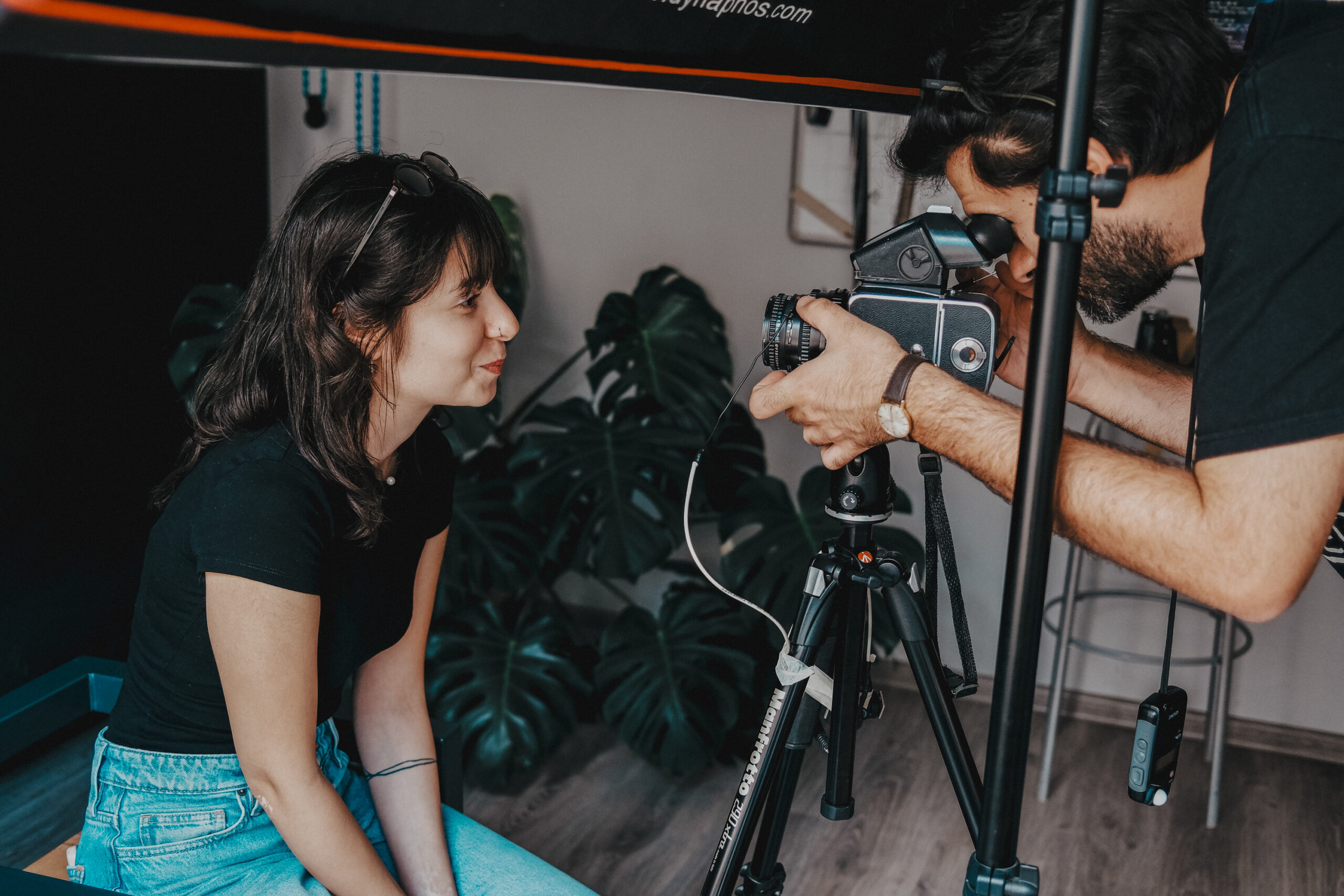
photograph: Marina Ivanova | @marinaiv._
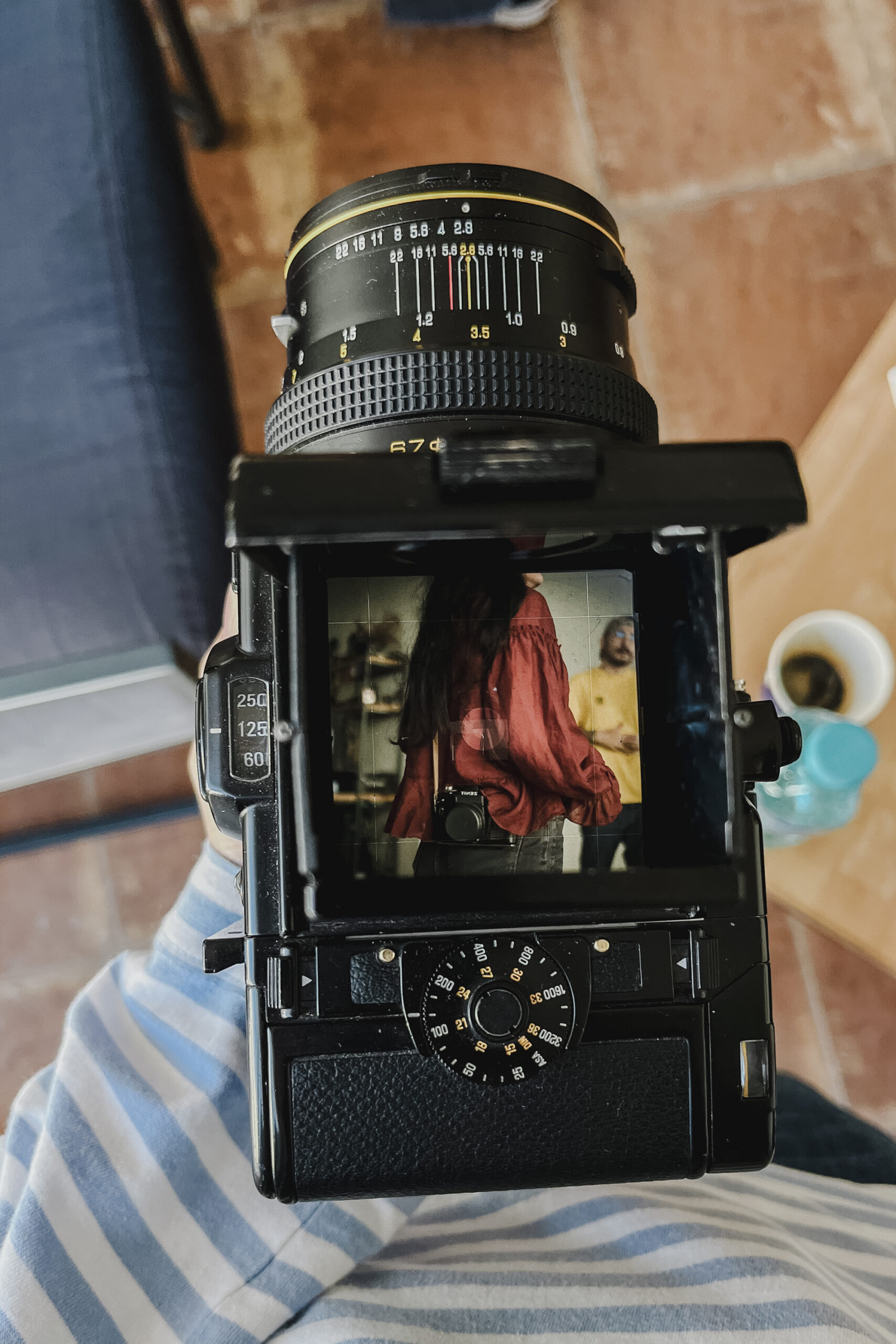
photograph:Rachel Klugе | @rachelkluge_
photograph: Tsanko Pantev | @qko_film_design
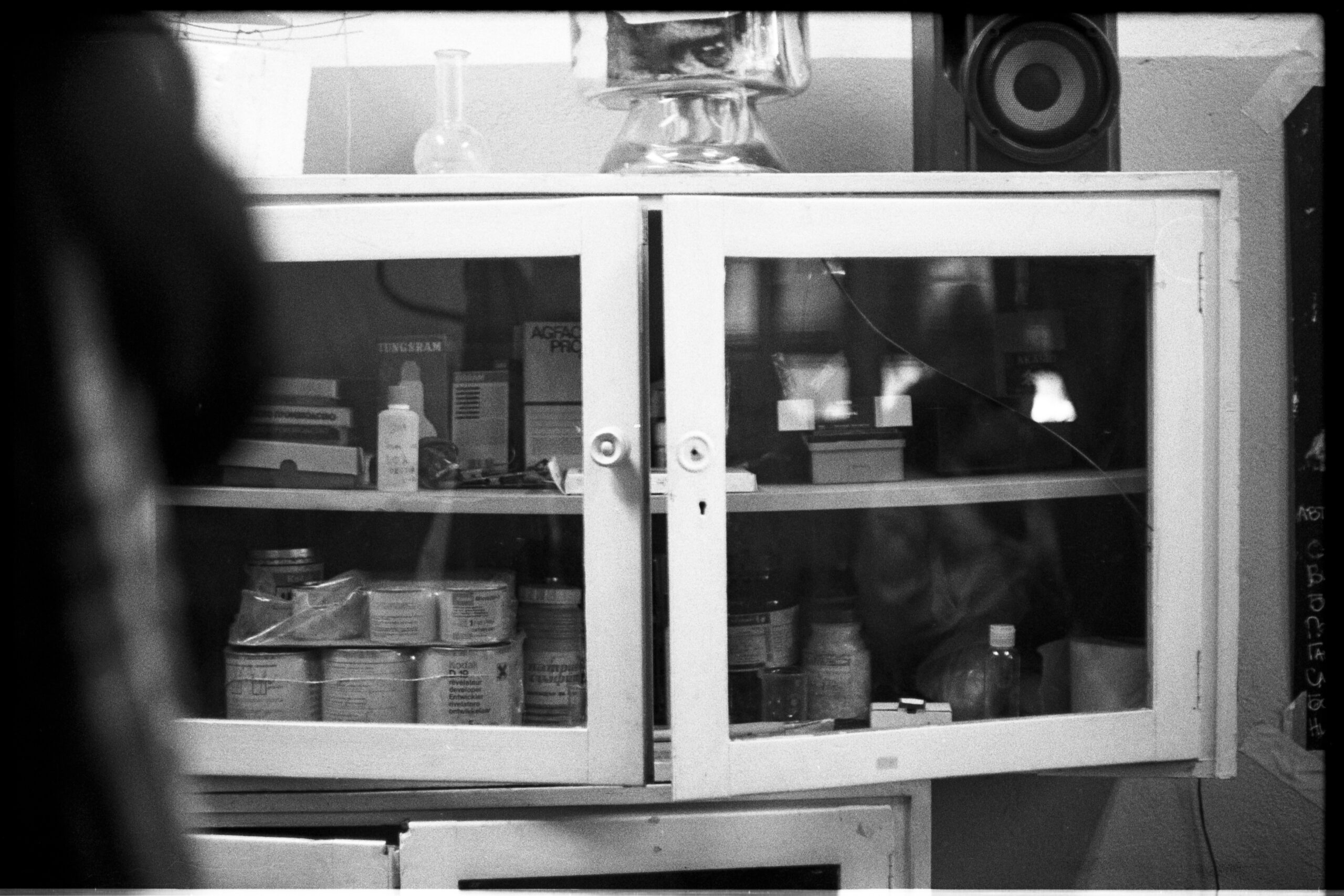
photograph: Antoni Bratanov | @antoni_bratanov
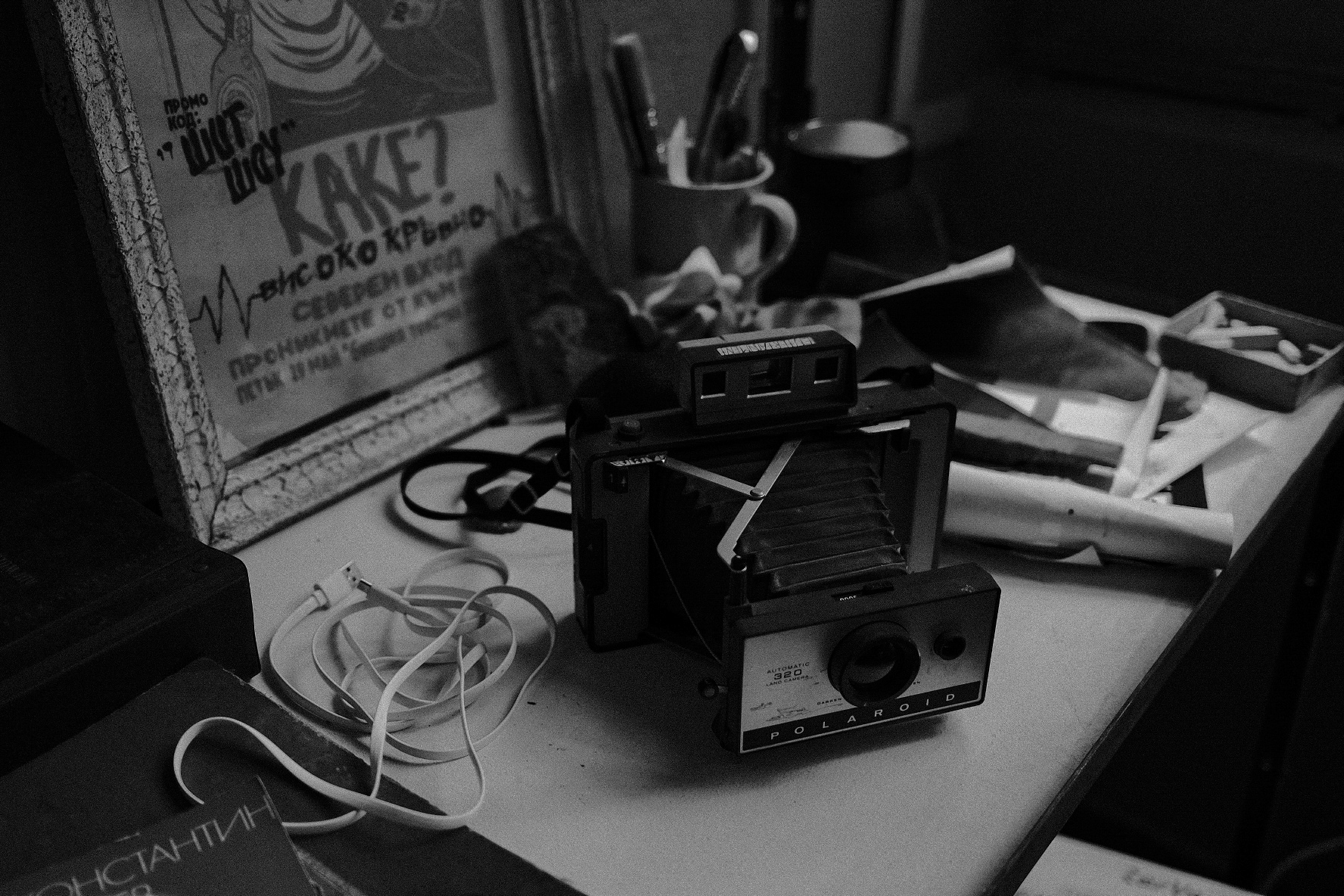
photograph: Viktor Kolev | @drpdddd
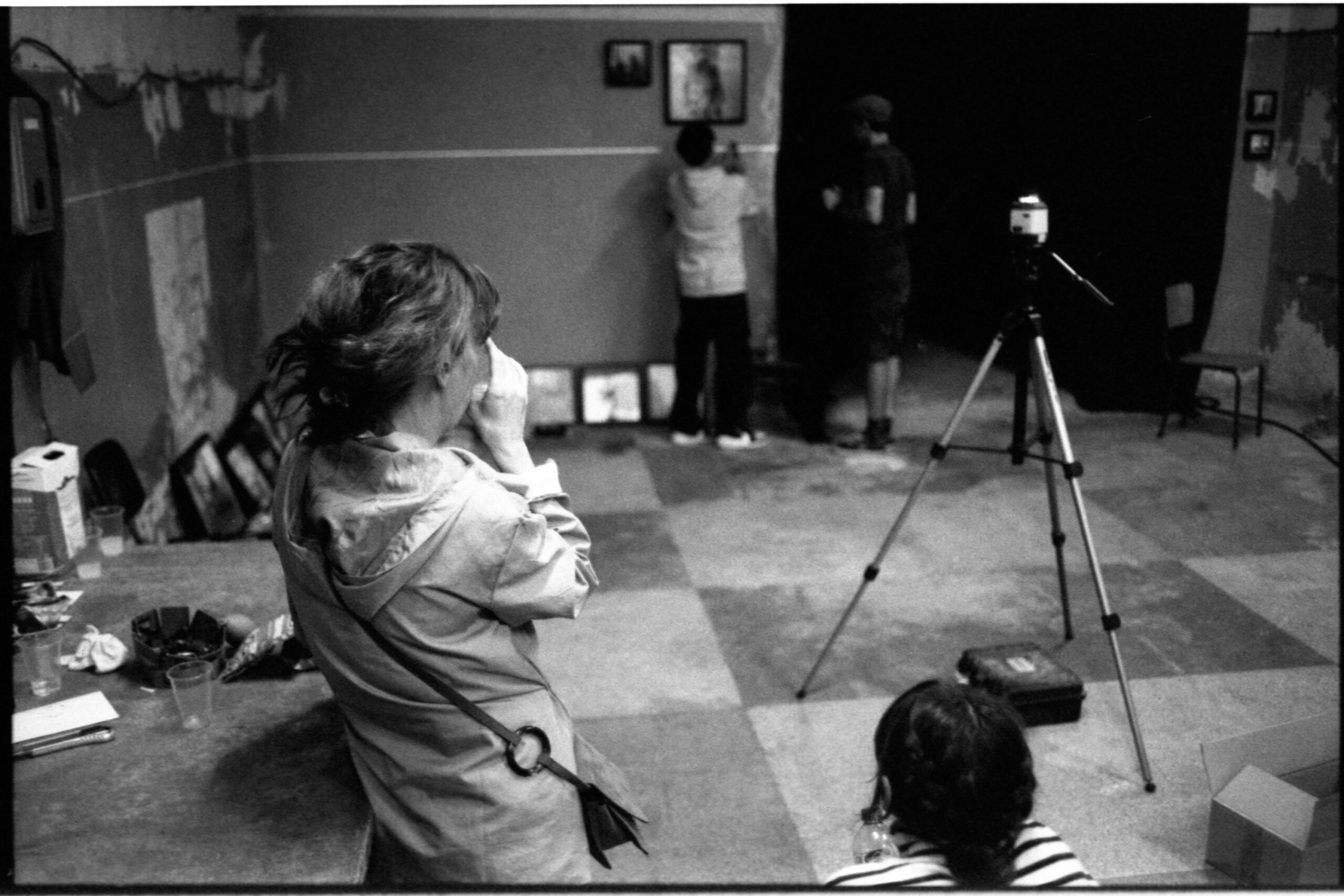
Nikola and Ivicha are setting up AlexMalex’s exhibition, with Iren and Galya keeping them company, while Drago photographs the scene. It sounds like a fairy tale — because it is one.
photograph: Drago Goranov | @drago.goranov
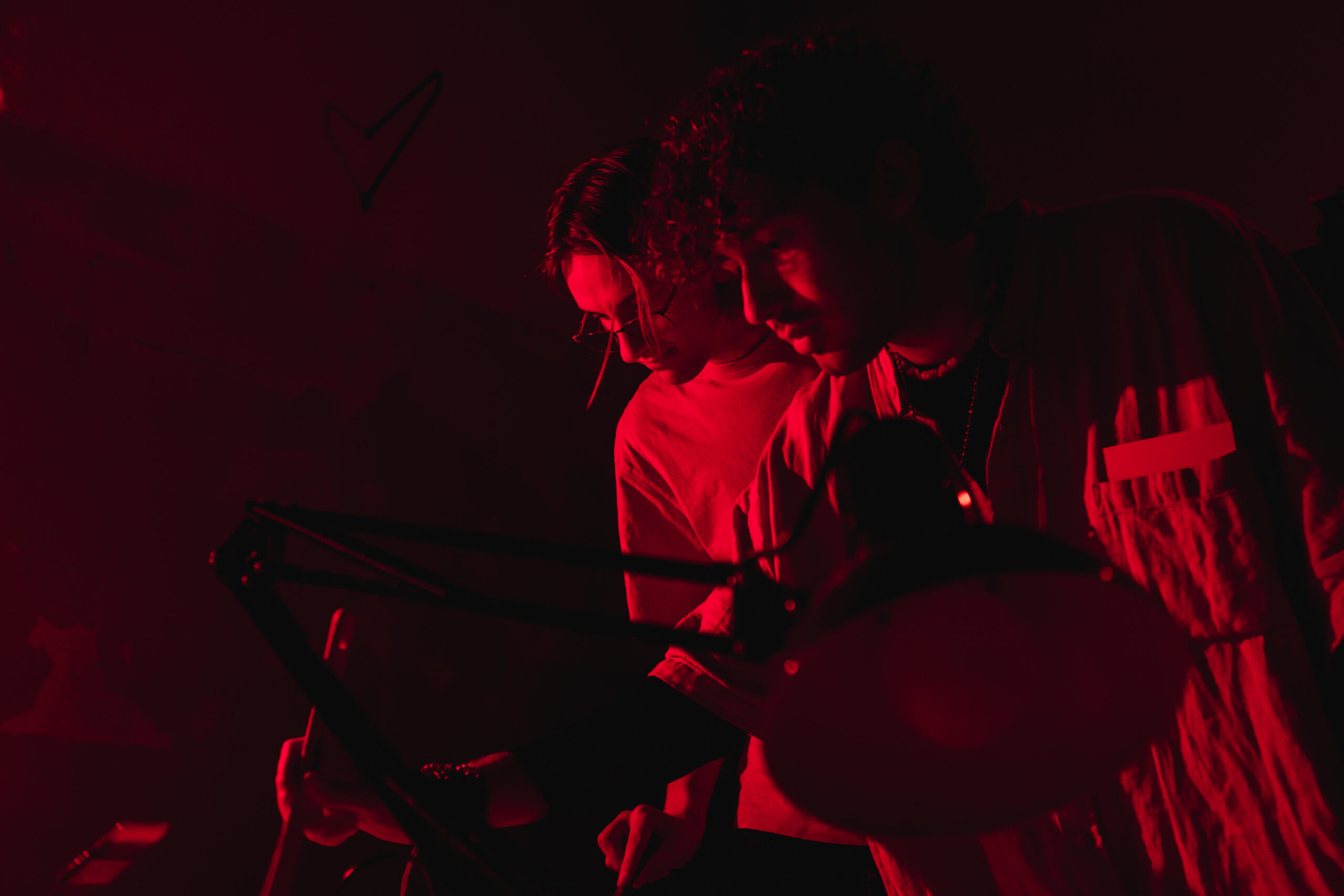
photograph: Ivelin Penchev – Ivichа | @ivich_
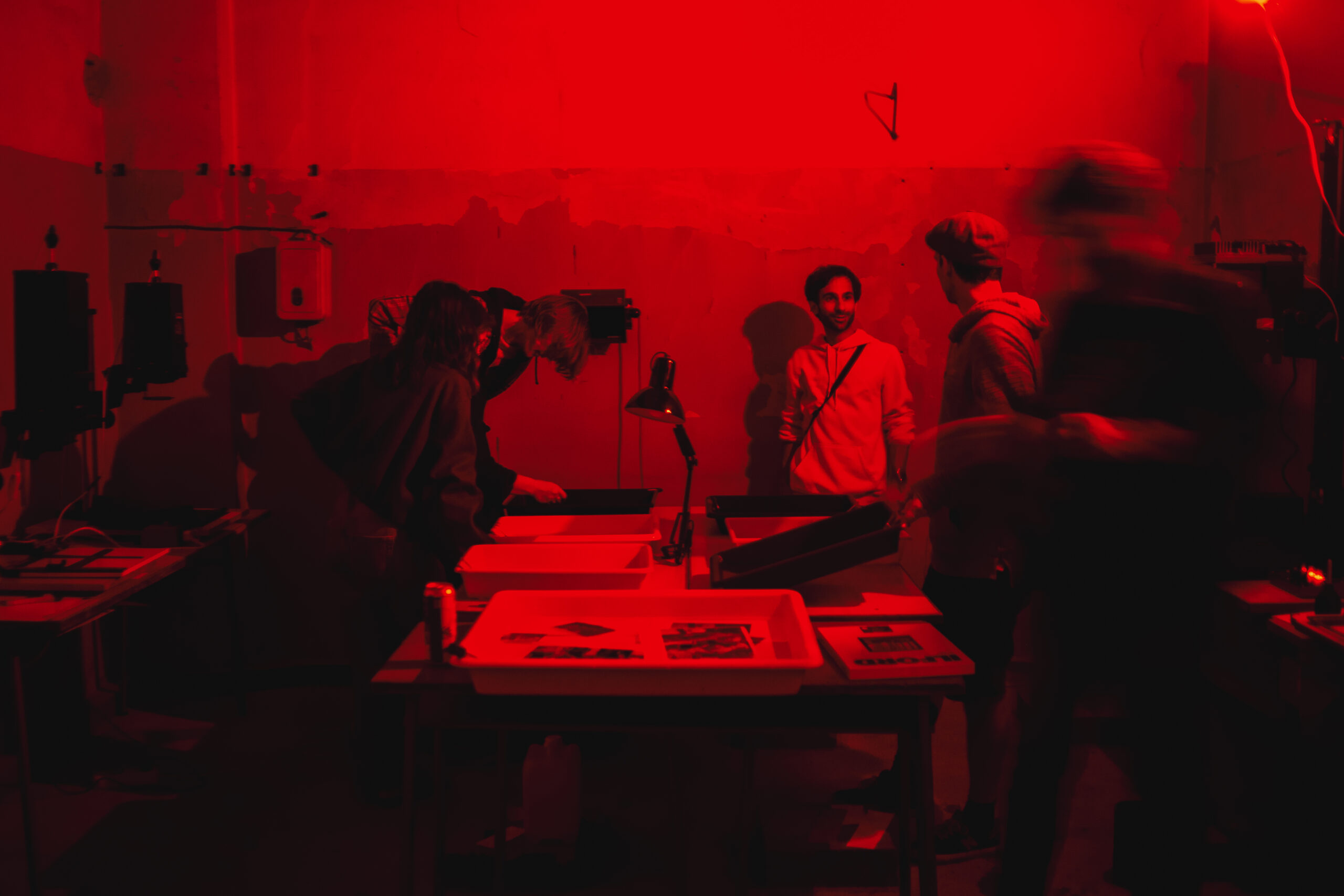
Those midnight printing sessions in the lab don’t need to appear in the schedule — they simply happen.
photograph: Erol Kerim | @turntablism
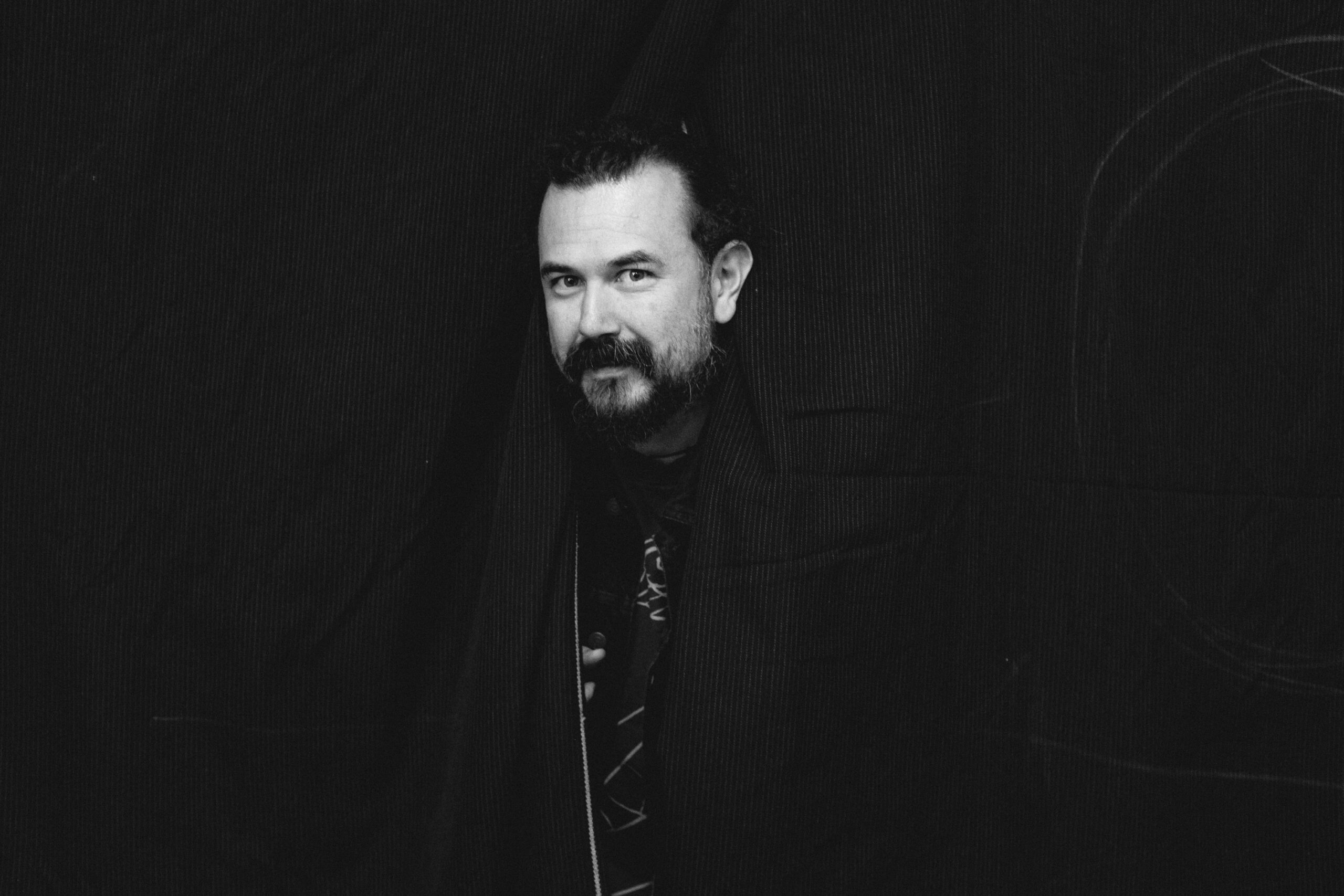
photograph: Ivelin Penchev – Ivichа | @ivich_
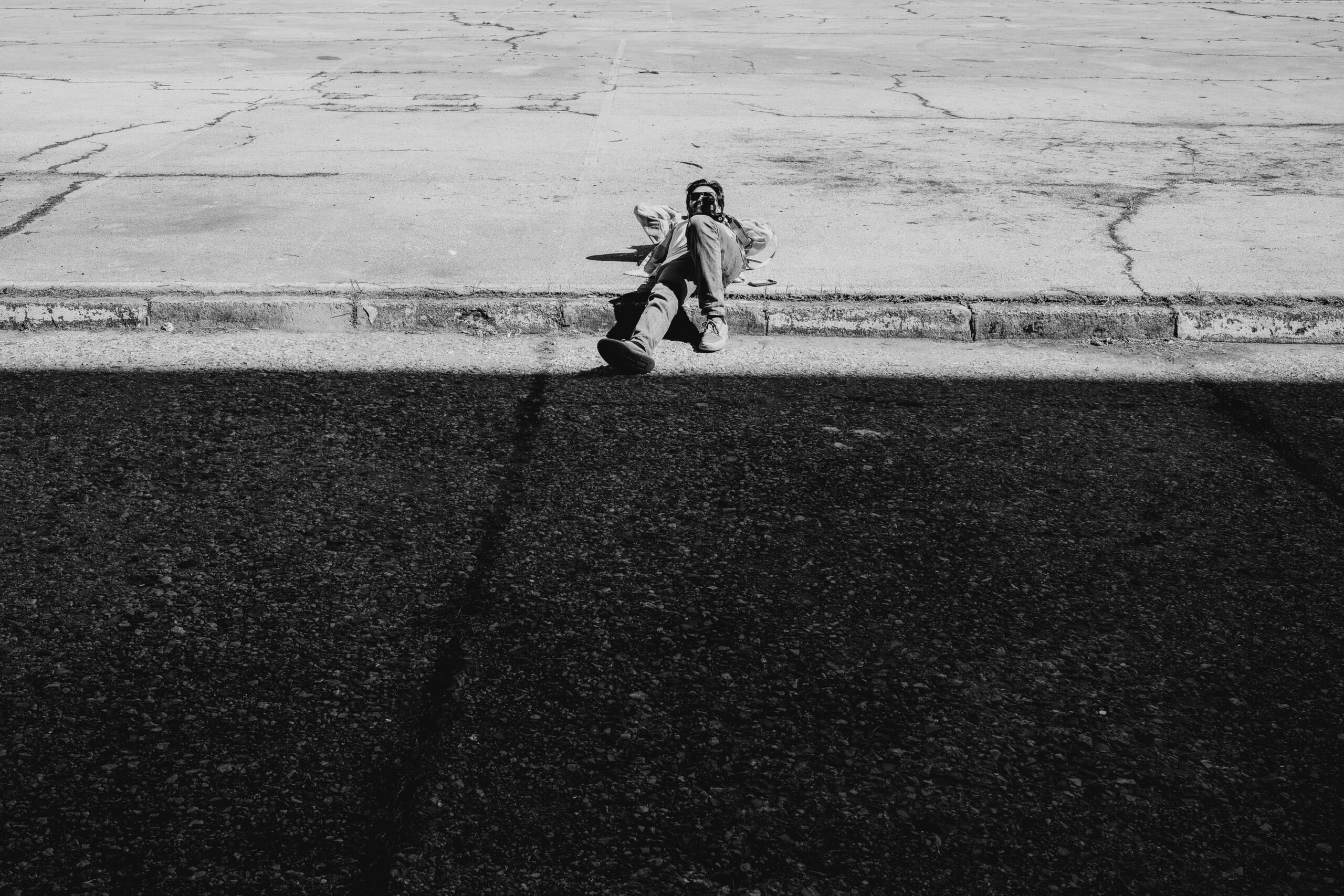
photograph: Marina Ivanova | @marinaiv._
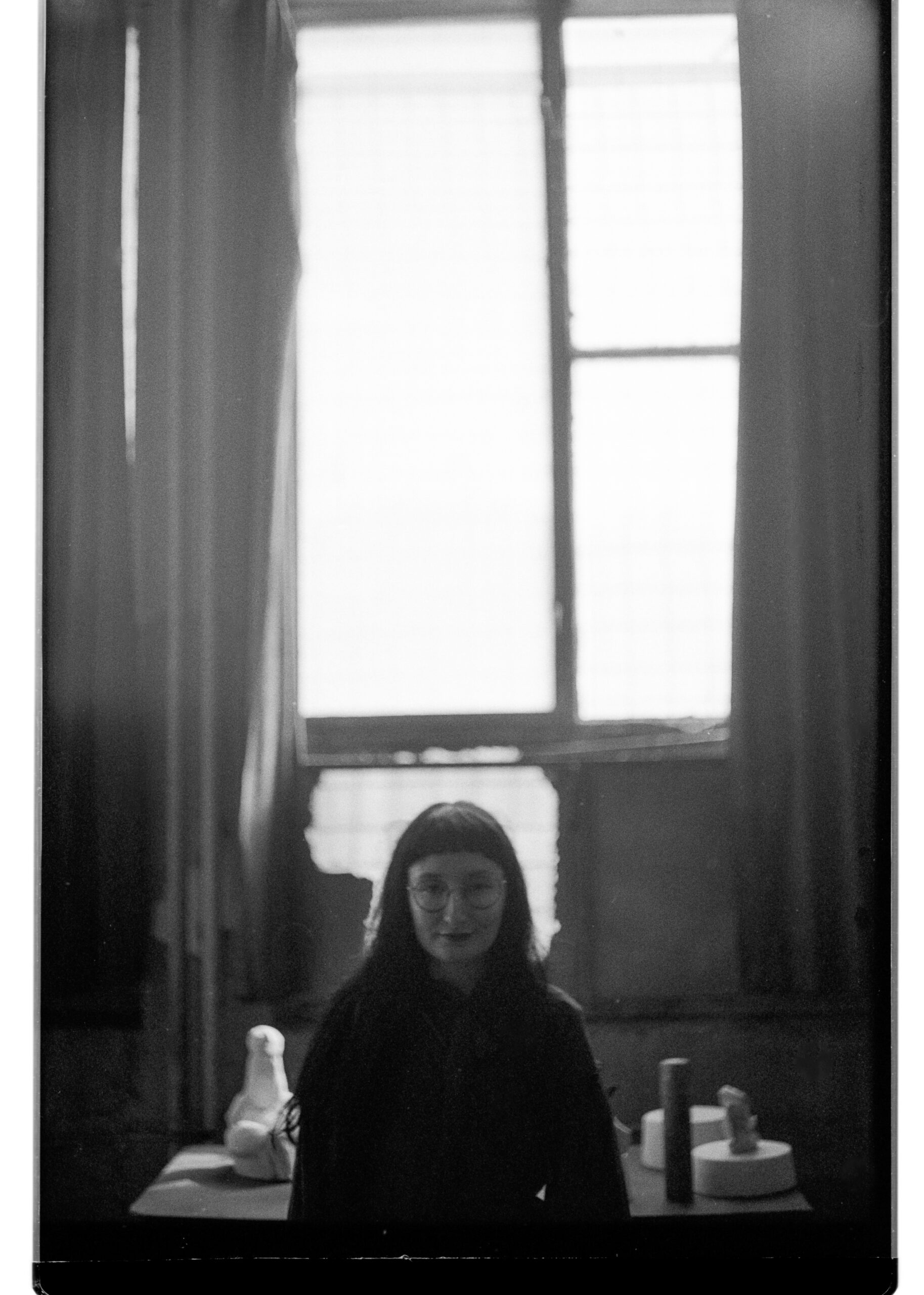
photograph: Antoni Bratanov | @antoni_bratanov
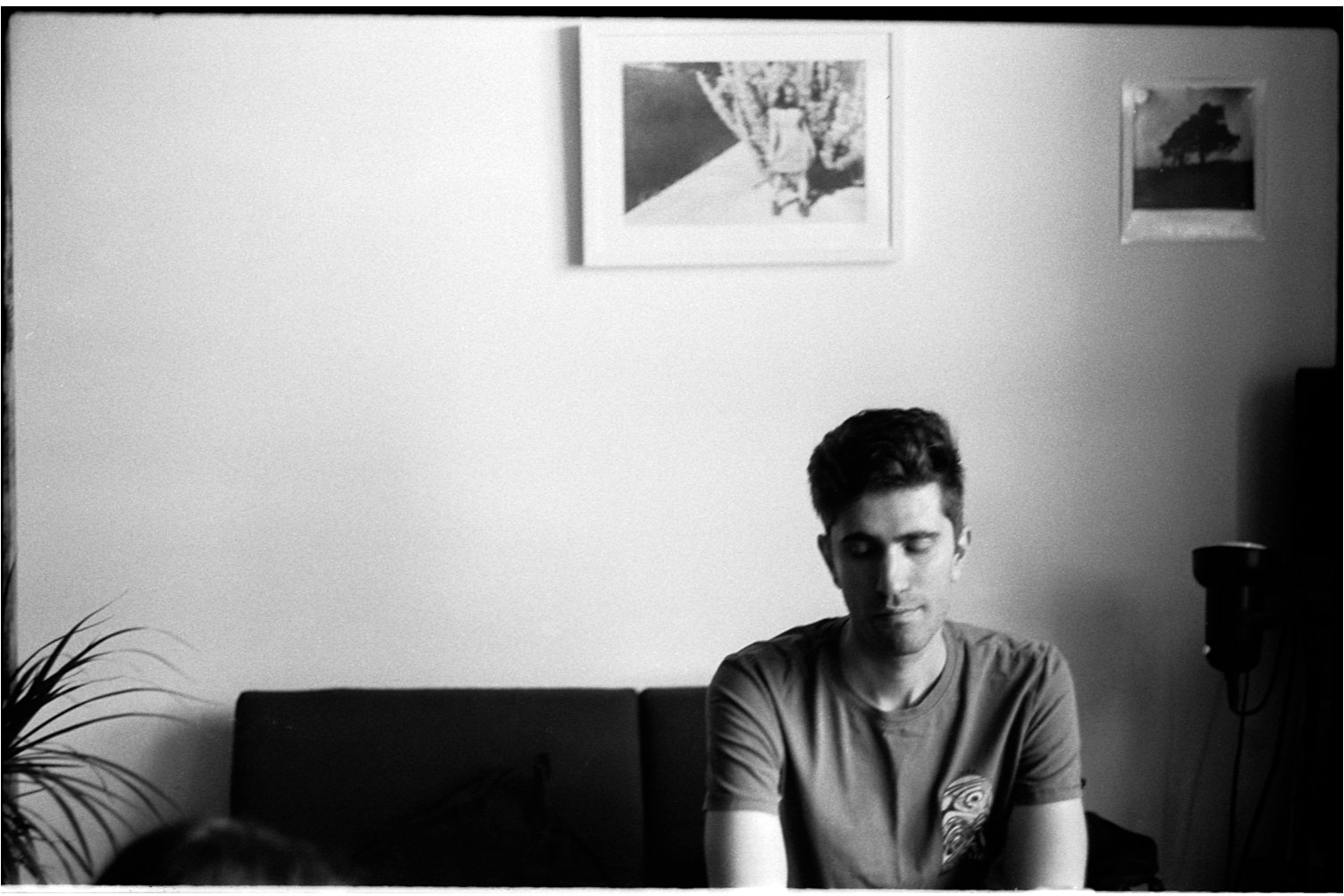
photograph: Iren Krumova | @iren.krumova
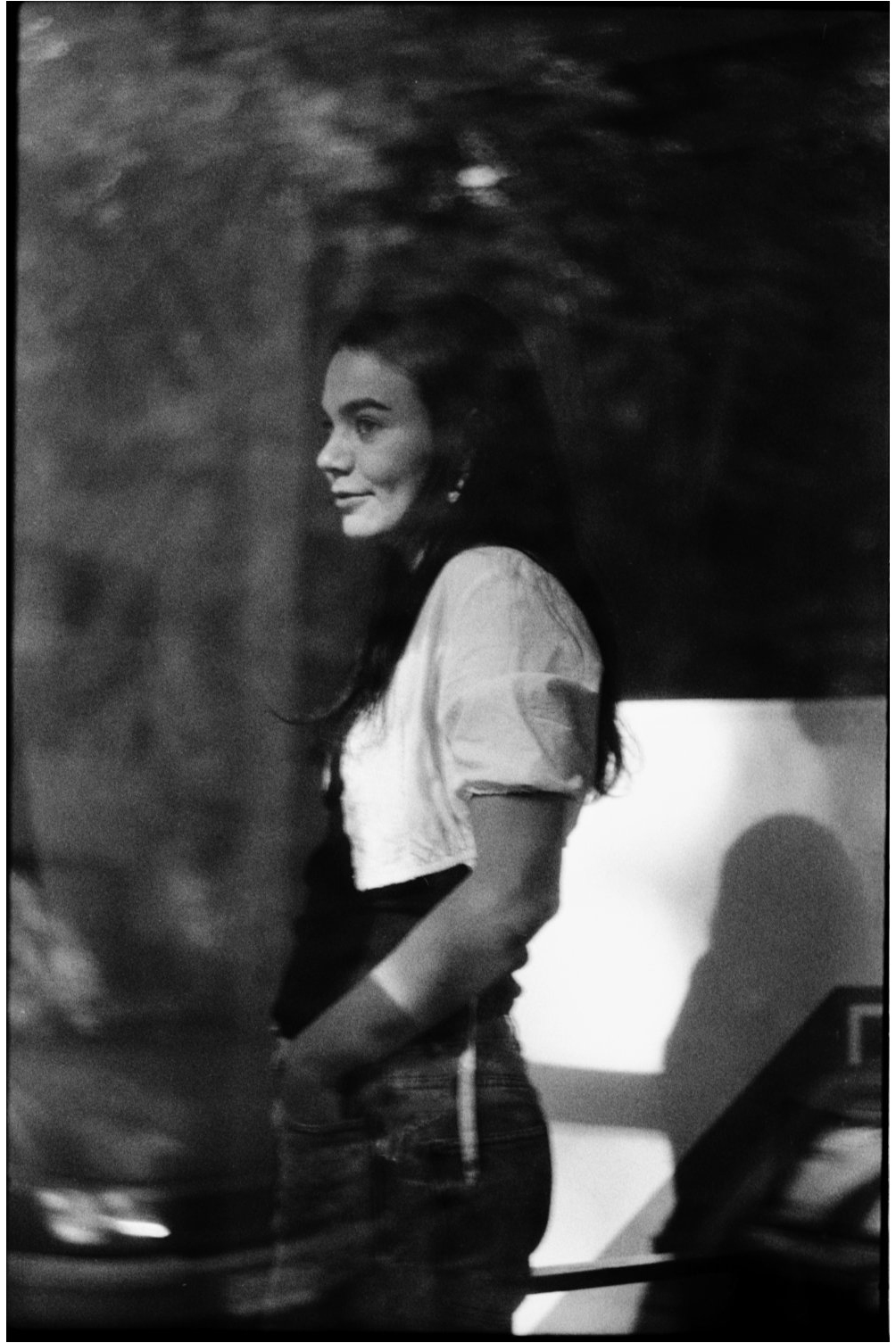
photograph: Iren Krumova | @iren.krumova
photograph: Marina Ivanova | @marinaiv._
photograph: Erol Kerim | @turntablism
photograph: Ivelin Penchev – Ivichа | @ivich_
photograph: Antoni Bratanov | @antoni_bratanov
photograph: Erol Kerim | @turntablism
photograph: Erol Kerim | @turntablism

Leave A Comment