
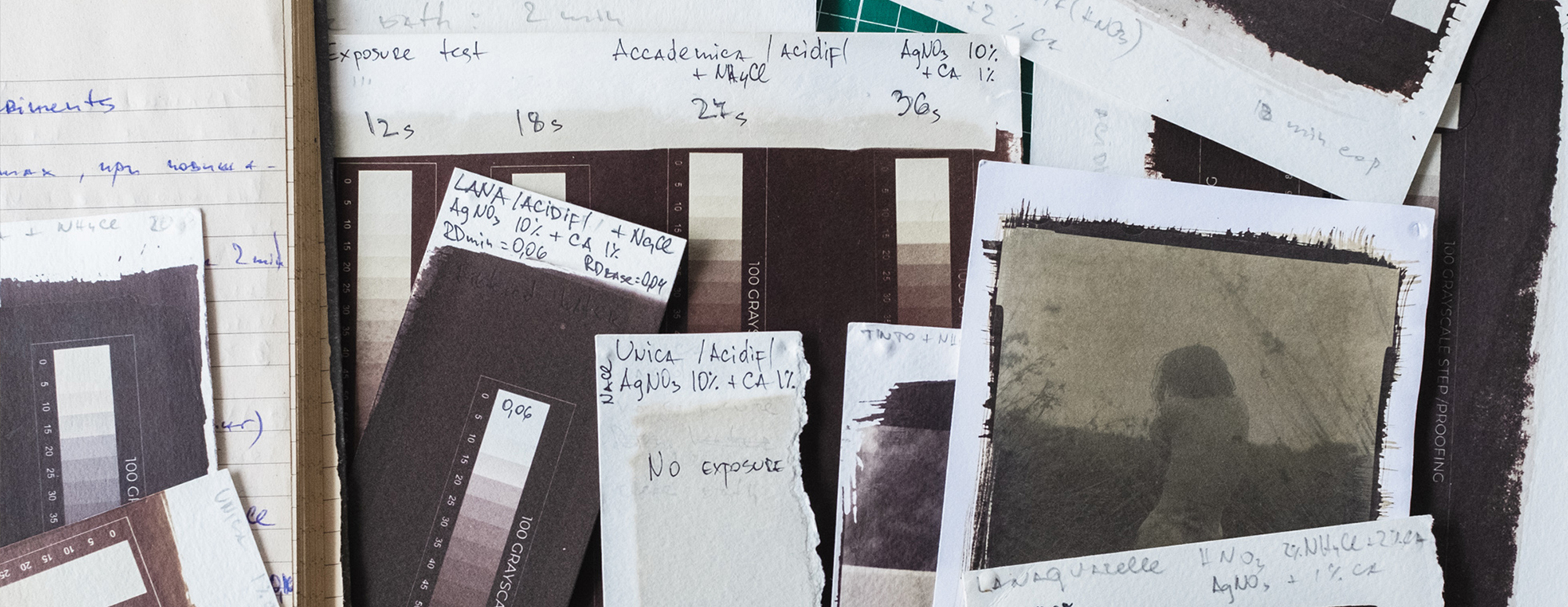
THE SCIENTIFIC APPROACH IN ANALOG PHOTOGRAPHY
“He then began taking out the chemicals from the cabinet one by one, each time placing inside a newly briefly exposed plate. Yet, after several hours, he would always find a developed image. The cabinet seemed enchanted until he finally turned his attention to mercury—thus discovering the principle of Daguerreotype.”
T. K. Apostolov
In the following lines, I will not mystify analog photography through poetic means—quite the opposite. I will attempt to demystify it, which, I suppose, is part of my own romantic perception of it. If you were expecting instructions on how much St. John’s Wort to scatter around yourself on Midsummer’s Day while developing Lomo Lady Gray 400 in the waters of the Vladaya River, I must disappoint you. Lady Gray behaves very similarly to Fomapan 400, and I dare say it is, in fact, a rebranded product with the same emulsion. As for St. John’s Wort—I would categorize it under the ‘phenomenology of the photographic experience,’ which is not exactly the topic of this discussion. Speaking of discussion—many of the claims here can be debated, and I’d be glad to hear your thoughts in the comments bellow this article.
On the Scientific Approach and Creativity
It is crucial to emphasize that the artistic value of an image extends far beyond its technical execution. Photography is not merely a literal representation of reality. While it can certainly serve that function, it can also reveal a possibility of reality—what reality could be. I have often heard remarks such as, “A strict process restricts imagination,” or “I like to experiment and not follow a specific direction.” These statements reflect the relativism of our time. However, rationality should not be the enemy of creativity—on the contrary, it can serve as a pathway to artistic freedom. I will focus on this approach for two reasons: First, it is the area where my expertise primarily lies (and, as I will discuss later, few things frustrate me more than uninformed opinions). Second, I consider it unwise—and even detrimental to the artist—to disregard or deliberately neglect the technical execution of an analog photographic image unless, of course, this choice is based on strong internal convictions aimed at achieving a specific aesthetic. My belief that the photographic process should be based on objective and, most importantly, informed decisions is my main motivation for launching this series of analytical articles. Through them, I aim to shed light on problematic aspects of contemporary photographic practice, specifically within the realm of analog photography and its techniques. I will address questions I have encountered and whose answers I find valuable—both for myself and for the growing wave of enthusiasts who are now entering the world of analog photography, as well as for those who believe that rationality plays an essential role in shaping the identity of a photographic image.
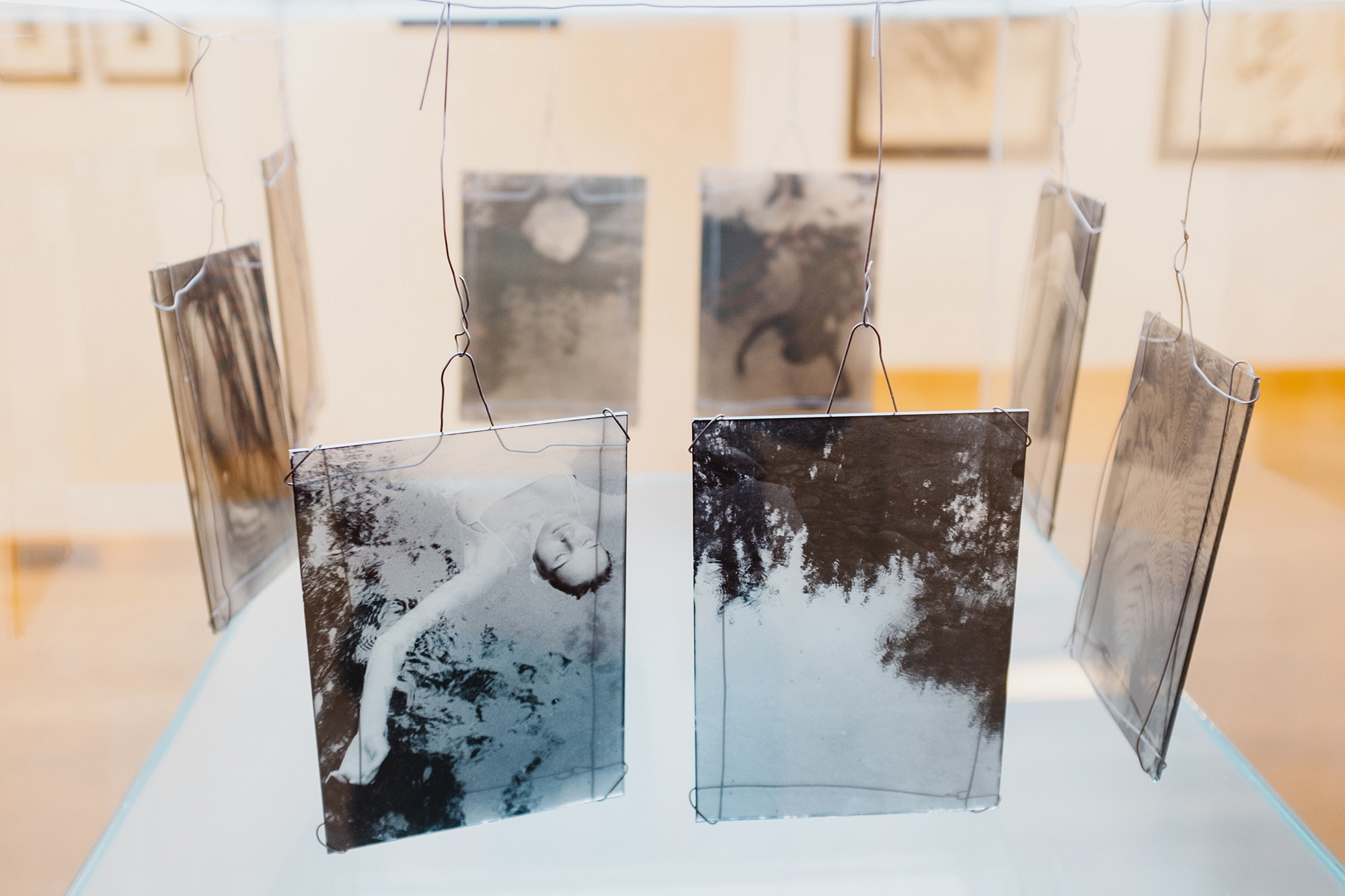
A series of analog prints on light-sensitive emulsion over glass plates / © Ivelin Penchev – Ivicha
“Technique is important. But the eye is the only certainty we have. The eye, and the way it connects to the heart.”
Lisette Model
Who Cares About Science, Anyway
At RadLab, our goal is to make analog photography a more accessible artistic tool. Naturally, this got me thinking—who even cares about film photography these days? What kind of information are people looking for, and where do they find it? What makes someone pick up a film camera in the first place? Do we actively seek out knowledge, or does it just land in our laps? And most importantly—what’s the entry barrier to this world? One thing is clear: film photography is having a moment. Like everything else, this revival comes with its highs and lows. Kodak recently announced they’re ramping up film production, despite spending the last two decades (rather successfully, I might add) trying to kill it. Pentax, after a 20-year hiatus, suddenly remembered that film cameras exist and launched a new model in 2024—their first since White Pony by Deftones was on the charts. Ilford, to their credit, continues to improve their photo papers. Meanwhile, a Bulgarian online group for film photography now boasts nearly 9,000 members, and most people with even a passing interest already know that cyanotype, in its raw form, is—you guessed it—blue. “Oh, wow, what a moment!” we think to ourselves as we scroll through social media looking for analog photography courses—only to be bombarded with sponsored content from someone teaching us how to “experiment” by smearing tanning oil on a lens to achieve soft focus. The real issue? Today, however, the lack of scientific precision is just as problematic as it was in the past (see: Controls in Black-And-White Photography, p. 46, Richard J. Henry)—except now, it’s amplified by social media trends, often driven by business strategies and misinformation. Many photographers, influencers, and organizations prioritize aesthetic appeal and nostalgia over objectivity, leading to the spread of dubious practices and scientifically unfounded claims. And look, I get it. I don’t expect everyone who shoots film to have read stacks of scientific papers. I don’t even expect them to care. But here’s where things go off the rails—when people, with zero technical foundation, start confidently handing out advice as if they’ve uncovered some sacred photographic truth. There’s a fine line between artistic experimentation and misleading nonsense, between personal anecdotes and objective reality, between gut feeling and actual principles. Of course, there’s nothing wrong with seeking guidance from authoritative figures in the field. But personally, I tend to be skeptical of technical opinions from sources whose authority is based on likes under photos of naked models—or simply because they “shoot really cool.” That is where things become dangerous. Dangerous for an audience lacking analytical skills, one that might blindly trust in places where the issue is not faith—but knowledge above all else.
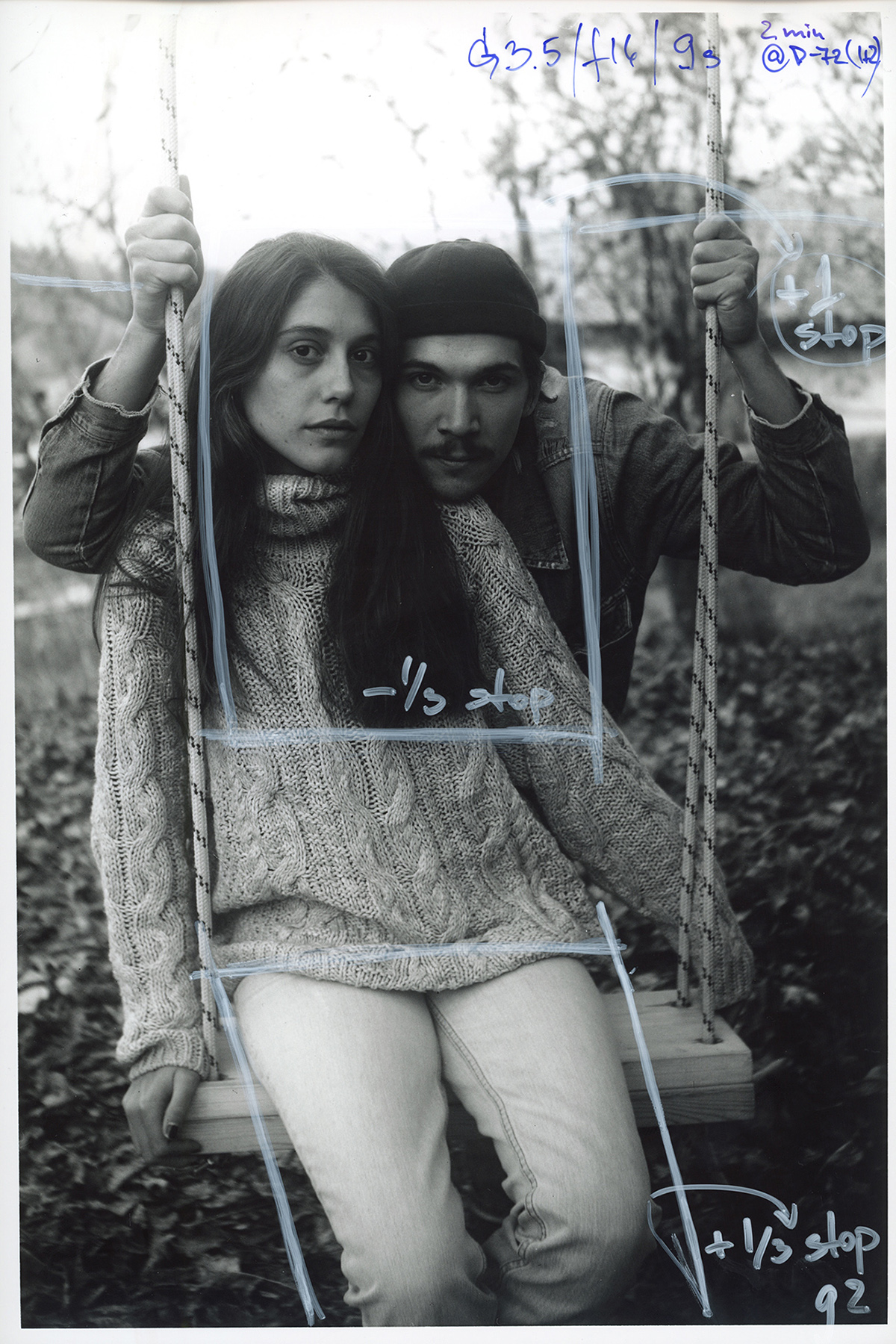
Comparative Silver-gelatin print with the “full picture” from the negative and notes for future local adjustments (Dodging & Burning)
Ilford HP5+ @ Pyro HD 1+1+100 / Rodenstock Trinar-Anastigmat 135mm f/6.3 @ f/11 / Ilford Multigrade RC Deluxe (8×12”) @ Kodak D-72 (1+2)
© Ivelin Penchev – Ivicha
What Is the Scientific Approach and
Why Does It Matter
The scientific approach is a systematic process of observation, hypothesis formation, controlled experimentation, data analysis, and drawing objective, testable, and reproducible conclusions. At its core, it embodies the ideals of rationality and analytical thinking. But why is it valuable?
- Technical Progress: Applying a scientific approach allows us to overcome various limitations of the medium and use it in service of artistic intent. A deeper understanding of photography’s technical aspects not only expands creative freedom but also brings practical benefit—saving time, energy, and resources. Technical knowledge proves useful in countless scenarios: choosing the right film, optimizing development methods (even if you rely on a lab, you can still specify your requirements), using color filters with black-and-white film, diagnosing unwanted artifacts, or deliberately creating them—double exposures, controlled light leaks, focus plane shifts, and more.
Particularly fascinating are techniques rooted in the DIY (Do-It-Yourself) philosophy: building a pinhole camera from a matchbox, mixing a homemade film developer with Vitamin C, making a direct positive print on your grandma’s clover leaves, or experimenting with toning solutions derived from oak galls. The world of alternative photographic processes is vast, and scientific understanding is the key to unlocking its full potential.
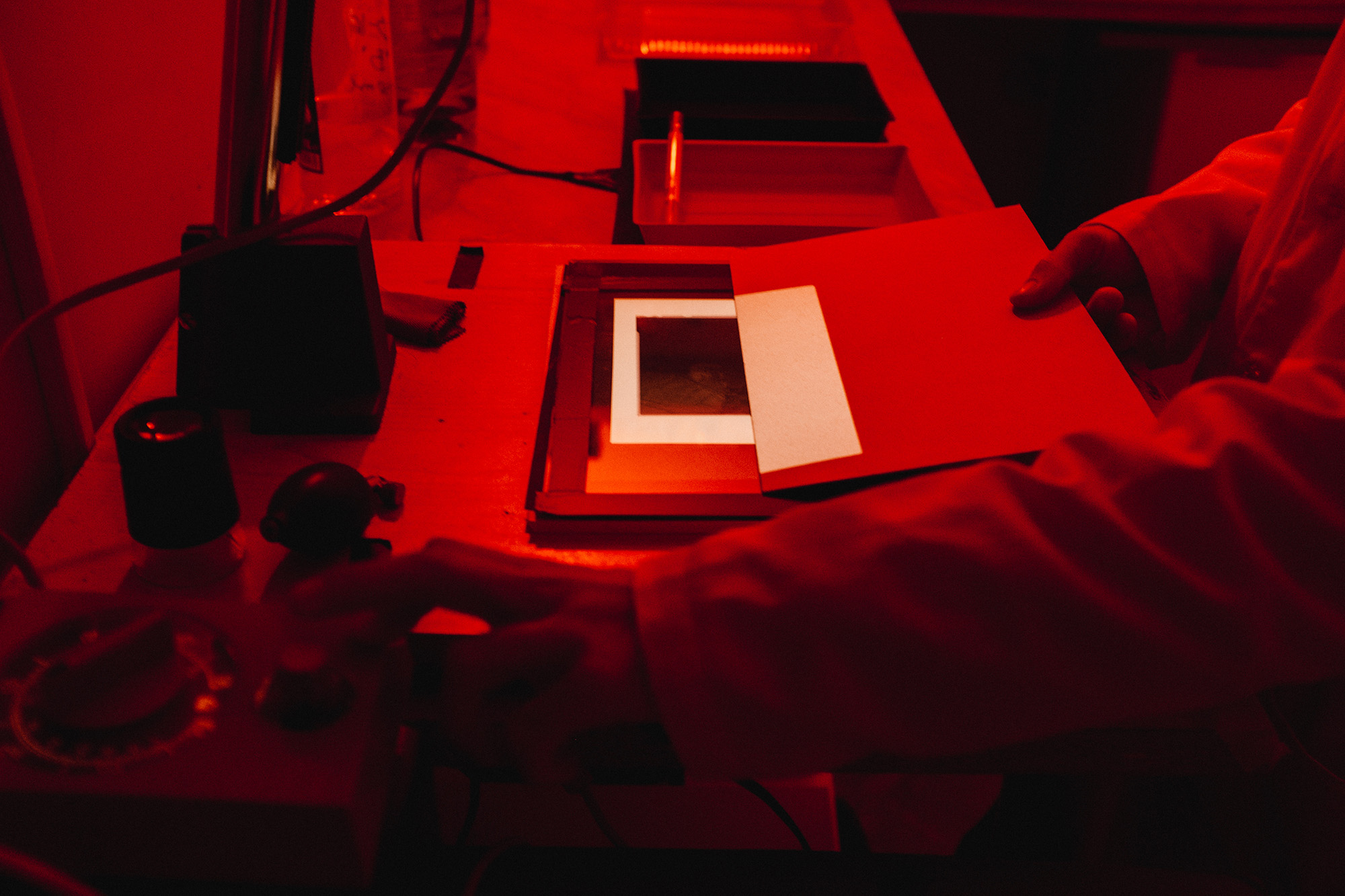
- Objective Evaluation: The scientific approach helps us avoid personal biases that might distort results or lead to incorrect conclusions. It ensures that our assessments are based on measurable, reproducible data—saving us from making ill-informed statements that might not hold up under scrutiny.
When it comes to analog photography, nearly everything can be objectively evaluated: which film is best suited for a specific purpose, how to analyze its characteristics, how to determine exposure with or without a light meter, how to identify the causes of various photographic effects and defects, and how to choose the most suitable development process. In short, a scientific approach doesn’t stifle creativity—it refines it by providing a solid foundation for informed decision-making.
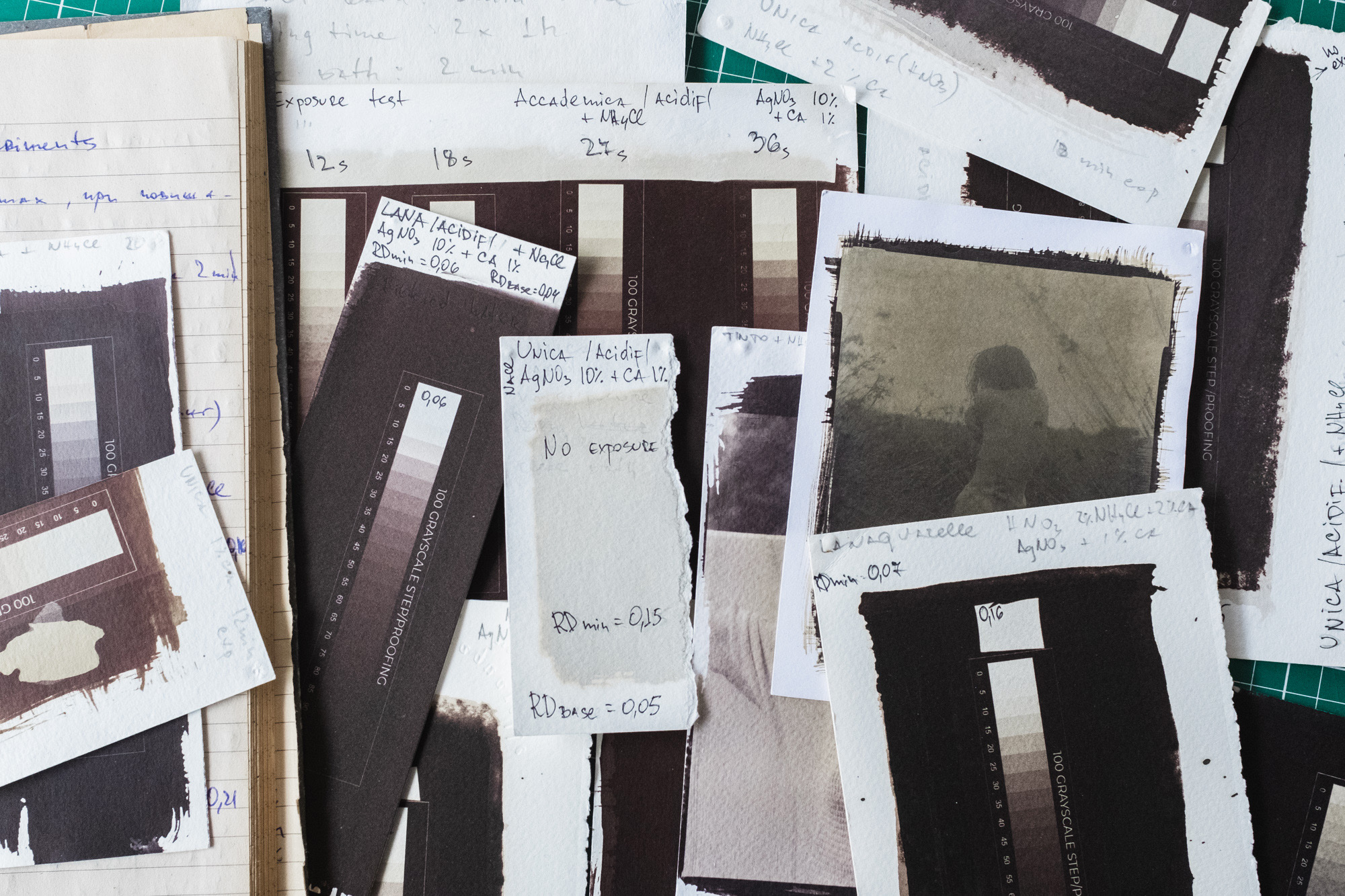
While working with the salt print process, I encountered unexpected darkening in the lightest areas of my images—commonly referred to as fogging or staining. In simple terms, I couldn’t achieve a pure white base within the print. Some printers and artists might simply accept this as “part of the aesthetic of the process.” I, however, wasn’t satisfied with that explanation—even though I do appreciate the effect in and of itself. Those familiar with my work know about my personal preference for darker prints, but reducing the potential of a process to just one aesthetic trait does it a disservice. My association with salt printing is one of delicate tonal transitions and a slow, deliberate workflow, not compromised contrast. So, I hypothesized that the darkening wasn’t inherent to the process itself but was caused by a specific factor—something in my own workflow. To test this, I set out to identify all possible contributing factors (or, in scientific terms, variables) that might be contaminating the whites in my prints. The plan: repeat the process exactly while changing only one variable at a time and comparing the results. There are logical methods to analyze multiple variables at once—something akin to a game of “Mastermind” (or, if you prefer, “Bulls and Cows”)—but I opted for the slower, more controlled approach. After all, salt printing is already a complex enough technique; rushing would only invite more uncertainty. After several days of trial, error, and analysis, I reached an experimental conclusion: the culprit was tap water. The city’s aging plumbing system, rusting pipes, and who-knows-what other organic and inorganic surprises floating within the supply were introducing impurities that reacted with the silver salts in the emulsion. (Not to be confused with pH levels, by the way.) I confirmed this by switching entirely to distilled water—at which point the fogging vanished. The final step? Installing a water filtration system in the studio, which, as it turns out, benefited far more than just my salt prints.
- Reproducibility: A scientific approach allows us to achieve reproducible results, define variables, and control them effectively. This reproducibility is crucial in our daily work at RadLab Studio, where consistency is everything—whether we’re developing films or pushing the boundaries of photographic techniques through experimental work.
Without a structured approach, every attempt would be a gamble, and while artistic spontaneity has its place, there’s little charm in being unable to repeat a successful result. Understanding and refining our process ensures that creativity is a choice, not an accident. Whether it’s fine-tuning film development or testing alternative photographic methods, reproducibility is what separates controlled artistic exploration from aimless trial and error.
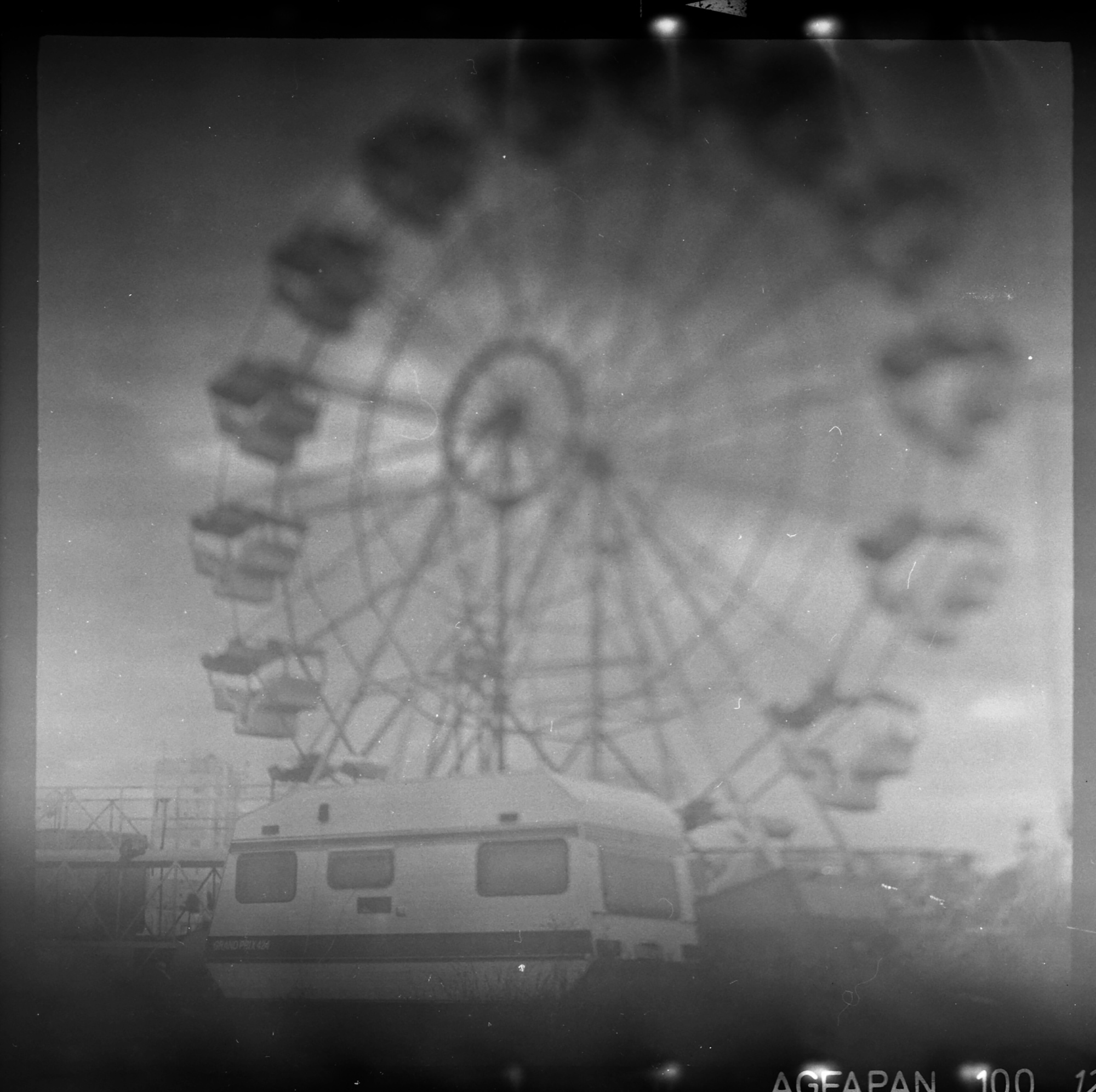
White “streaks” in both horizontal lines of the frame marked many of my early self-developed films. The culprit for this effect was bromide—a residual byproduct of the chemical reaction that drags the fresh developer along with it. Systematically agitation of the tank solved this problem, allowing the streaks to appear only when intentionally desired.
- Critical Analysis: The scientific method encourages critical thinking. It helps photographers and researchers assess existing claims or techniques, distinguishing between what is scientifically valid and what is based primarily on anecdotal evidence or personal preferences. I find the recommendation from The FINDlab (a profile for photo material sales and processing on Instagram) in a post from December 13, 2024, that suggests underexposing HP5+ by about ½ to 1 stop for general purposes completely absurd. I can only imagine how many of their thousands of followers are blindly losing shadow details in their photos. Still, it’s good to see that a few analytical minds have challenged this advice in the comments.
- Establishing Standards: The scientific method can help establish standards in photography. For example, in the second half of the 20th century, developing with D-76 (1+1) became something of a standard. Don’t get me wrong—there are many developers, and D-76 isn’t always the best option, but it is often used for comparative analysis because it strikes a good balance between sharpness, grain, and tonality. Many films have been developed or optimized to work with it. Standardization and precise control can also lead to more predictable results, helping achieve a specific desired aesthetic and visual language. However, it can also have the opposite effect—encouraging us to experiment and step outside of those boundaries.
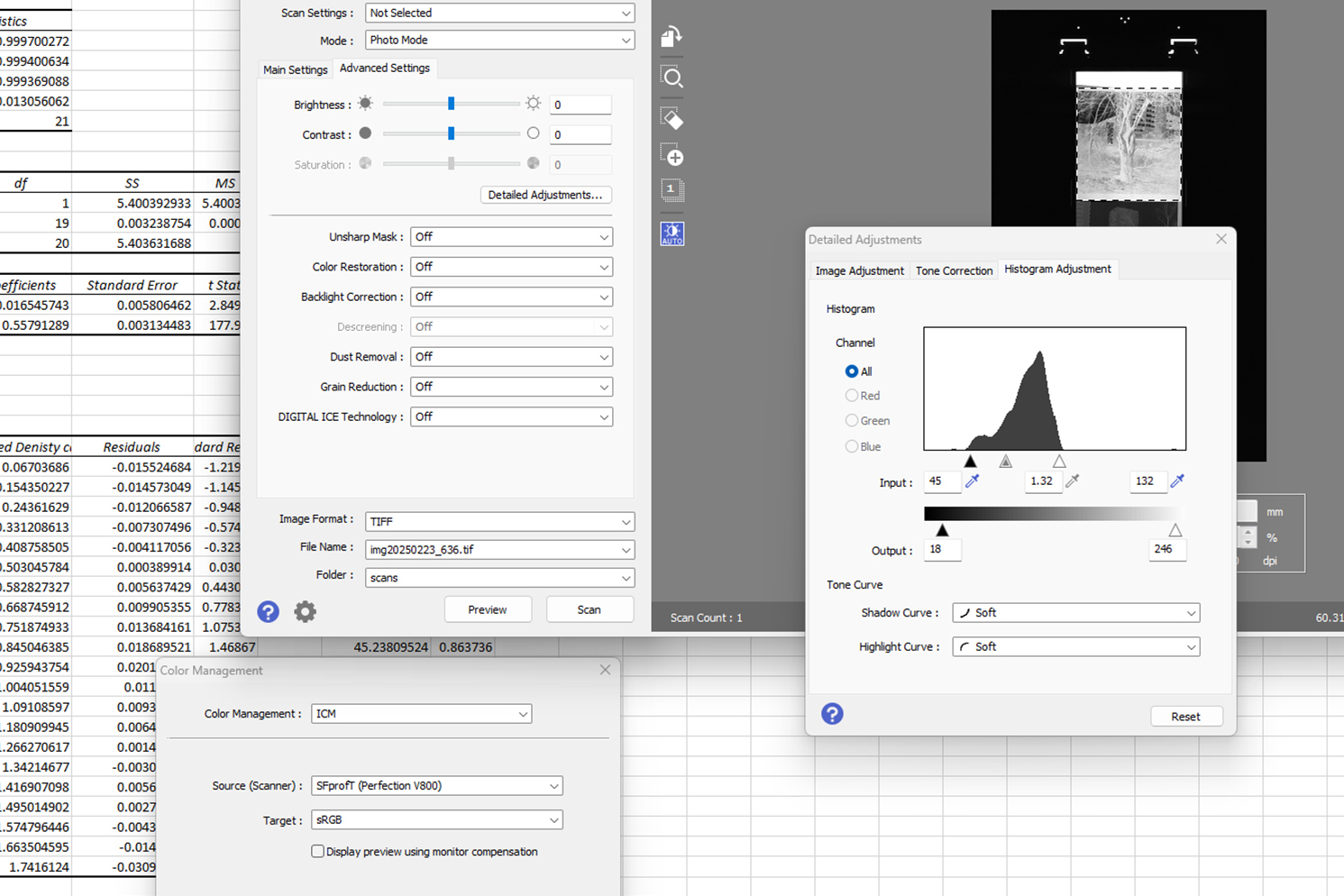
An interesting example here is the issue of authenticity when digitizing (scanning) negatives for the purpose of sharing analog images – a popular and well-known practice among us all. But is there a standard for scanning? Do we realize the variables (many of which are uncontrollable) that define the visual characteristics of the resulting digital image? Do we use the scanner’s automatic settings, which at its own discretion (i.e., based on a preset algorithm) determine the contrast and gamma of the material, or do we disable all such settings and scan the negative essentially as a positive, which we then “invert” manually? Do we allow ourselves to adjust the contrast sliders slightly during the scanning process? And, in fact, how can we be sure that the scanner accurately (i.e., linearly) renders every half-tone in the range from pure black to pure white? To top it all off, when we add the fact that the devices on which we view the images have different color rendering and calibration, we could simply forget about digitizing analog images and just rest easy. Of course, this is a joke (half-joking, to be fair), and my intention here is not to discourage anyone or prevent the sharing of information and photographs, but rather to encourage us to share our experiences with a clear understanding of what we’re actually saying when we post a photo and claim that a particular film has ‘super dynamic range.’ It’s entirely possible that it does, but ‘show me the negative,’ would say Nikola Dulygarov here, and we seem to have to agree and give him that right, so – show him the negative!
“Understanding what happens during exposure, development, and printing, and how they can be controlled to produce the image as it was ‘visualized’ without much trial and error, is a much shorter path than the years of haphazard trial and error that are necessary without this understanding.”
Ansel Adams
How to Approach Scientifically
- Define the variables – what exactly are you studying?
Even in conventional analog photography, there are numerous factors that define the character of the image starting at the negative stage – the type of film, the exposure used, the choice of developer and its concentration, the temperature and agitation during development. Clearly defining and distinguishing these variables both quantitatively and qualitatively allows us to investigate how each one, in isolation, can affect the aesthetics of the frame. If the variables are not clearly defined and distinguished from each other, the results lose their objectivity and cannot be reproduced or used for comparative analysis. Conduct an experiment – choose a film and shoot exclusively with it for a while in various situations. Discover its possibilities and limits, under what conditions it serves your artistic goals, and when it restricts you. - Document everything, consistently and systematically
Regardless of whether you record or photograph your process, the scientific approach requires thorough documentation. By sticking to a consistent methodology, you increase the likelihood of reproducibility of results and prevent drawing wrong conclusions due to inconsistency. The feeling when I discover that I’ve shot on black-and-white film instead of color is priceless. It can only be compared to the moments when there is no film at all. And although the chances of such mistakes are significantly smaller with 35mm cameras, a piece of masking tape on the back of the camera with film information never hurts. In the excitement of the work process, it’s easy to overlook something important that may turn out to be a key variable or even the solution to the mystery that’s been on your mind. That’s why make sure to note down your impressions, thoughts, and ideas.

- Think, hypothesize, experiment, and measure
To confirm or refute a claim, conduct measurable and reproducible tests. This requires performing experiments under strictly controlled conditions with a clear and specific goal in mind. Otherwise, you risk acquiring “contaminated” data… or no data at all. “A” always leads to “B” (confirmation), “A” never leads to “B” (refutation), “A” leads to “B,” in the case of “C” (exception). Try to logically derive the result you obtain and determine whether it confirms or rejects the hypothesis. Or could it be more of an exception to the general case? If you prove your hypothesis, you can rest easy; if not, replace it with a new one and start over. Experiments have wide application throughout photography: using manual settings on the camera, exposing at an ISO different from the nominal, selecting an f-number when making a pinhole, testing the “remaining life” of the fixer, and more..
- Analysis and evaluation – compare results rationally
It is important to compare the results in a rational and critical way to determine which specific factor is responsible for a given observed effect or to compare the effectiveness of individual factors. For example, did the use of a green filter with Kodak Tri-X 400 result in the desired development of the dark areas in the botanical garden compared to frames shot without the filter?Photography also offers many complex methods for comparative analysis, such as sensitometry and densitometry. These methods determine the ISO value of films and the density of negatives, and through them, the gamma or contrast index (CI) is calculated, allowing us to compare the contrasts of different films or negative images.
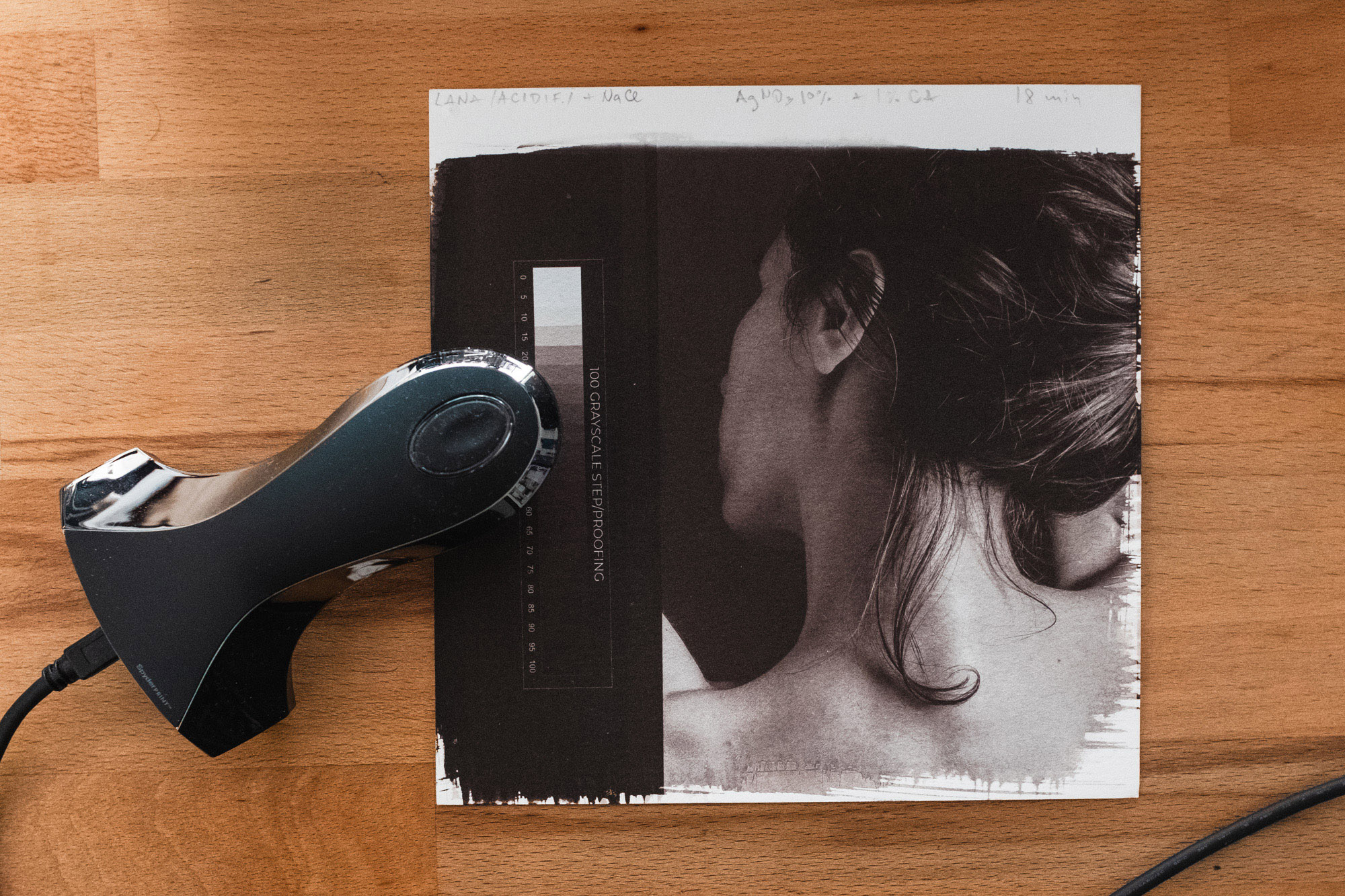
Dynamic range analysis of a salt print, using a densitometer.
- Share your observations
As is well known, sharing results can be a source of artistic inspiration. On the other hand, the true scientific approach involves discussing and verifying these results. Shared impressions and hypotheses allow others to confirm, challenge, or refine various techniques and methods in photography. This process, in turn, greatly contributes to the development of the photographic community, especially in an environment with limited literature in Bulgarian.
Finally, here’s a question where you can apply what you’ve read so far: Does the use of a hydrogen peroxide bath in the development process change the contrast of the final cyanotype image?
On Analog Photography Literature and Other Demons
I’ve already pointed out the risks of the virtual social media as a source of information. However, even today, high-quality content can still be found on platforms like unblinkingeye.com, alternativephotography.com, personal blogs, and forums like photrio.com and photo.net. Forums, as gathering places for countless people and opinions, combined with the lack of an editorial team, present some risks regarding quality. But let’s not forget that, at one time, these were the only way (especially for someone living in a small provincial town like me) to access useful information and connect with the wider world.
Of course, in Bulgaria—well, mostly in Sofia—there are educational institutions offering academic courses in analog photography. These institutions have the infrastructure, resources, techniques, and so on, and they should be taking responsibility in this area. It is also expected that they provide solid knowledge (and not just tell stories from their youth) in a quality manner. A good example is the Academy of Music, Dance, and Fine Arts “Prof. Asen Diamandiev” in Plovdiv, where there seems to be a clearly defined curriculum for teaching analog photography. However, in my personal opinion, the real effectiveness of these institutions in relation to their students largely depends on the erudition and personal initiative of individual teachers. Increasingly, alternative forms of education, such as specialized practical courses and workshops, are emerging. I’ve attended some of these, primarily as a teacher, which means I’ll skip commenting on my own impressions here.
However, I would like to focus a bit more on literature related to analog photography, as it should be a somewhat more accessible source. I was particularly impressed by an article I came across while browsing Photobulletin magazine. The article, titled “Rodinal in Different Concentrations,” was published in issue 2/2011. In it, the author Ivaylo Filipov plays the role of a waterfall director and expertly explores the visual changes on black-and-white 4×5’’ negatives due to different concentrations of Rodinal developer. Photobulletin was a Bulgarian photography magazine—a brief burst of high-quality content from the recent past, which unfortunately ceased publication in 2016. The publishers, under the name V.A.Z.A., presented both Bulgarian and foreign photographers, critical and historical texts, information on photographic processes, and reviews of photographic equipment.
For a text to be deemed scientific, it typically emerges from a collaborative effort, incorporating the expertise of technical consultants, editors, and peer reviewers. Such works are often published by academic or specialized presses, ensuring rigor and credibility. Regrettably, the volume of new literature addressing the use of analog photographic materials remains exceedingly scarce, and when it comes to literature in Bulgarian, this gap becomes almost insurmountable. A significant issue with older publications is that much of the information they contain has become outdated, particularly in relation to modern analog photographic materials and their processes. A pertinent example of this can be found in the treatment of fixers. Many older texts provide formulas and techniques geared towards acidic fixers. However, these are not ideal for processing contemporary photographic films (The Film Developing Cookbook, p. 105, Bill Troop), such as those with tabular grain structures (e.g., Ilford Delta, Kodak T-Max, Fujifilm Neopan). These emulsions contain silver halides of iodine (AgI), which react more sluggishly with sodium thiosulfate in acidic fixers. As a result, this mismatch can lead to incomplete fixing, which causes the negative to darken and the contrast to degrade over time.
Here is a selection of publications that I find both valuable and thought-provoking:
- Photographic Chemistry, Vladislav Kiperov, “Technika” (1978) – provides a detailed description of the basic chemical processes involved in working with analog materials.
- Photographic Recipe Handbook, Vladislav Kiperov, “Technika” (1983) – A handy reference, this one covers a collection of photographic formulas for developers, fixers, and other reagents, from both local and international sources. A must-have for anyone working in the darkroom.
- Practical Guide to Photography, T.K. Apostolov, “Fakel” Printing House (1923) – this book offers quick explanations of nearly all photographic processes from its time, and I can’t describe it better than the author himself: “brief explanations of almost every [photographic] process of the time.” It’s a charming read, one of the first Bulgarian publications on photography, and offers a fascinating snapshot of early 20th-century photographic practices, including techniques like Brom oil, Gum bichromate, Calotype, and Platinum printing. Plus, it’s written using the 1921 spelling reform, so it carries a certain historical charm.
- Practical Guide to Photography, E.A. Yofis, “Medicine and Sports” (1958), translated in Bulgarian by I. Karadzhov – a solid textbook that covers key photographic terminology, basic processes, and common mistakes. It’s still useful today for anyone getting into the nitty-gritty of working with analog materials.
- Photographing Without Mistakes, Kurt Fritche, “Technika” (1979), translated by Panayot Barnev – this is a great all-in-one guide to the entire photography process, from shooting to developing to printing. It’s arranged alphabetically, making it easy to find what you’re looking for, whether you need tips on exposure, darkroom issues, or anything else.
- The Film Developing Cookbook, Second Edition, Bill Troop, Steve Anchell, The Focal Press (2020) – this book breaks down film emulsions and processing chemicals in an easy-to-understand way. It’s one of the best resources on the subject, and the fact that it’s still being updated with new info speaks to how valuable it is.
- The Book of Alternative Photographic Processes, Third Edition, Christopher James, Cengage Learning (2017) – the most comprehensive practical guide to alternative photographic processes I have encountered.
- Controls in Black-and-White Photography, Richard J. Henry, Focal Press (1986) – Henry takes a thorough look at black-and-white lab work, from developing to printing. It’s a bit technical in places, but he does a great job of breaking down complex concepts, making it easy to understand. If you want to get into the science and precision of black-and-white photography, this book is a goldmine.
And finally: “One must take things to heart. It is a skill, and the skill is not something that formal scientific method can tell you anything about.”
Robert M. Pirsig
In my attempt to delineate between objective facts and those that are personal (or subjective), it is entirely possible that I have inadvertently alienated certain readers. Yet, as Poincaré provocatively asks, how do we select the facts? Our ultimate goal, it seems, should be to unveil the profound similarities and the underlying harmony concealed within what appears to be an endless variety. Does the scientific method, in its structured precision, possess the requisite qualities to contribute to this endeavor, or does it, conversely, serve only to stifle our more creative faculties? Who can claim certainty in this matter, and who has the authority to offer a definitive answer? Nonetheless, should you be perusing these words at this very moment, it is reasonable to assume that, at the very least, we are gazing towards a common horizon.

Leave A Comment