

Is airports scanner radiation actually a death sentence?
A fellow photographer returned from the USA with a bag of “ghosts” shot on a Minolta TC-1. These films endured a gauntlet of scanner ionizing radiation of several airports: a fresh Ilford HP5+ exposed to 5 airport scanners and a 40-year-old ORWO NP27 exposed to 9 scanners.
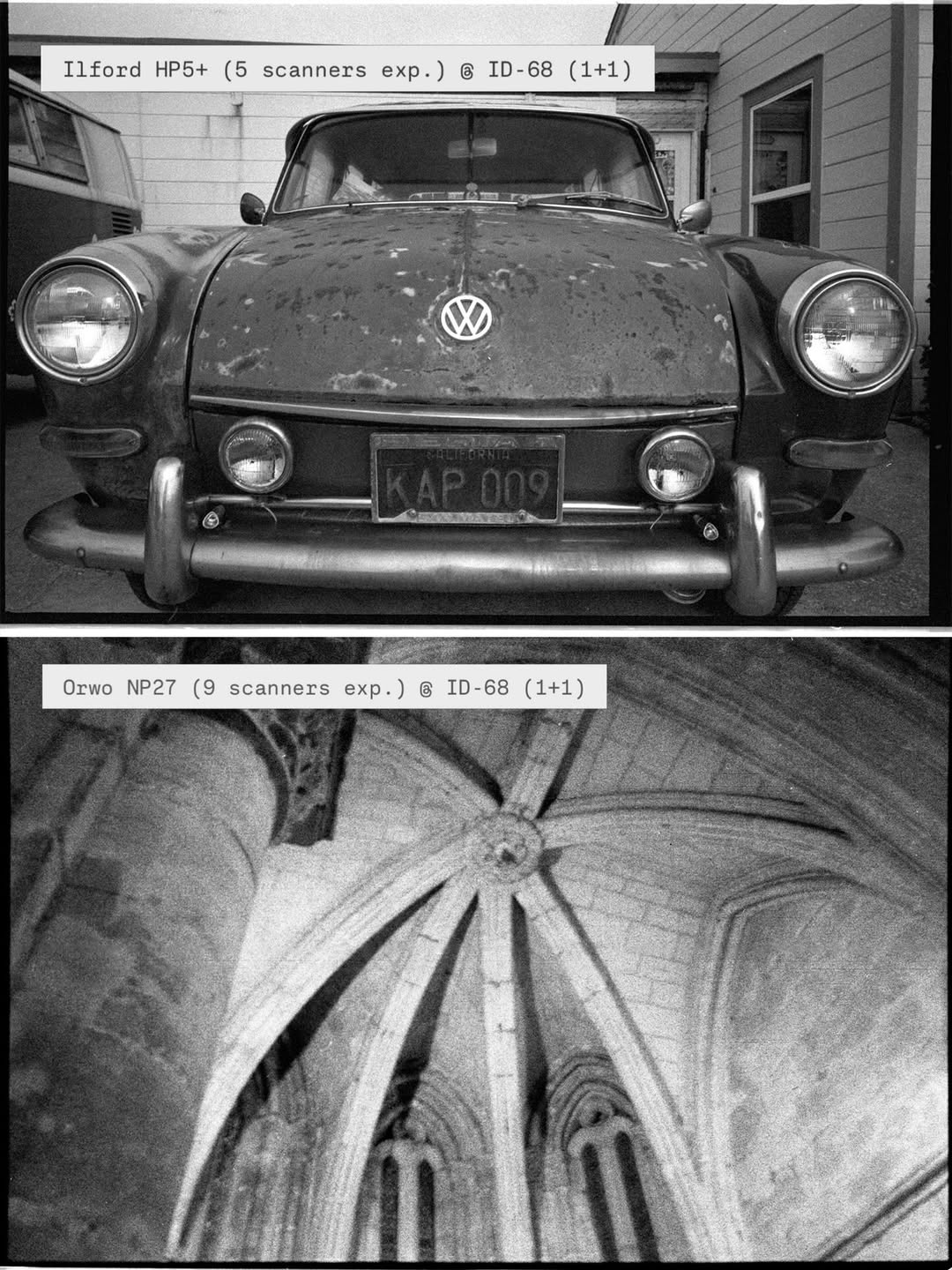
Images from the rolls, suffered various airports scanners x-rays
Photography by Siyana Dicheva
The Exorcism
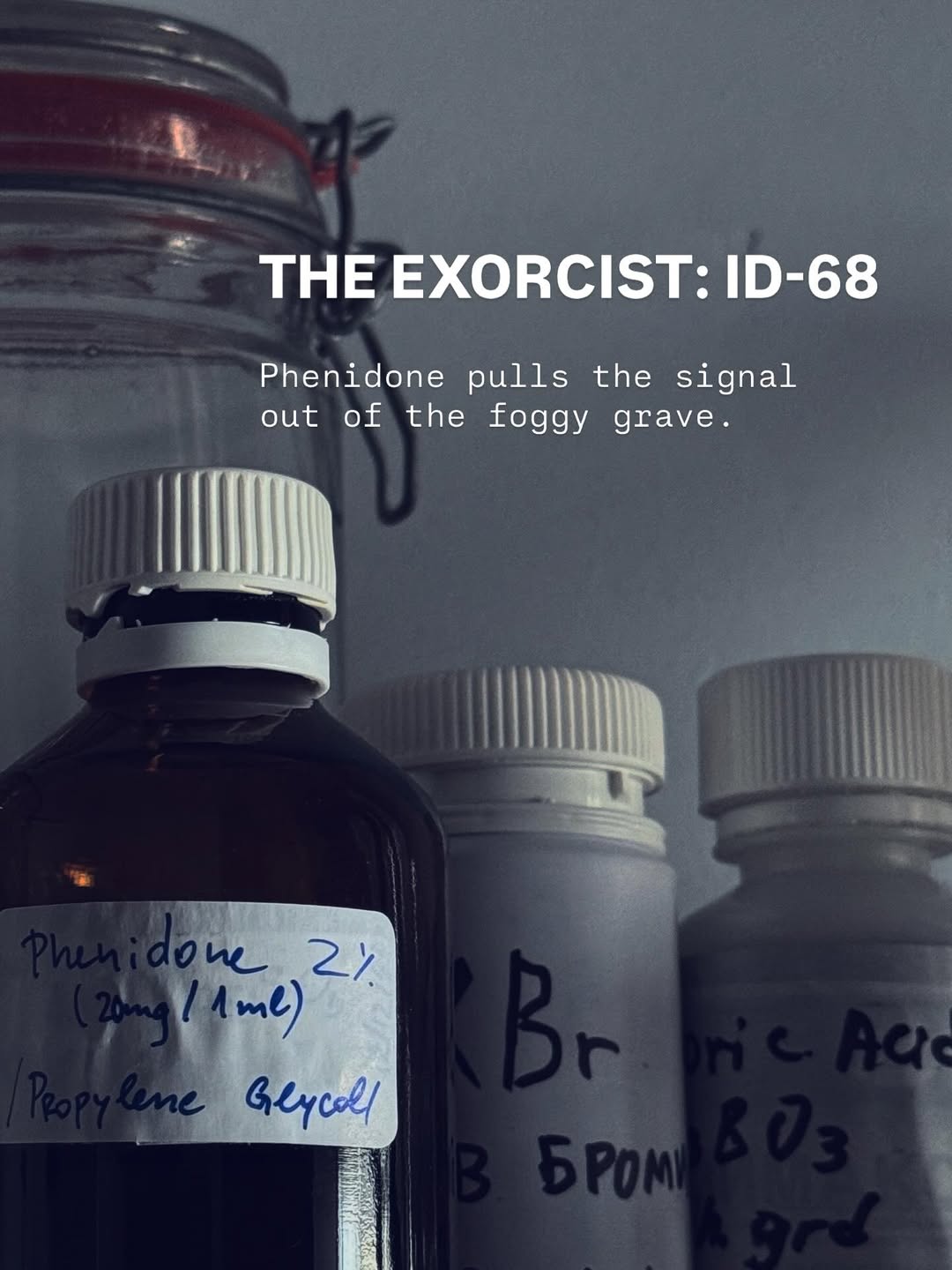
To rescue these frames, we moved away from standard developers and mixed a batch of ID-68. This is a Phenidone-based, speed-increasing formula designed to pull a clean signal out of a foggy grave.
The Development:
HP5+ (fresh / 5 scanners exposure): ID-68 (1+1) / 11min @ 20°C
NP27 (40yr-old / 9 scanners exposure): ID-68 (1+1) / 14 mins @ 20°C
The results were a mathematical provocation:
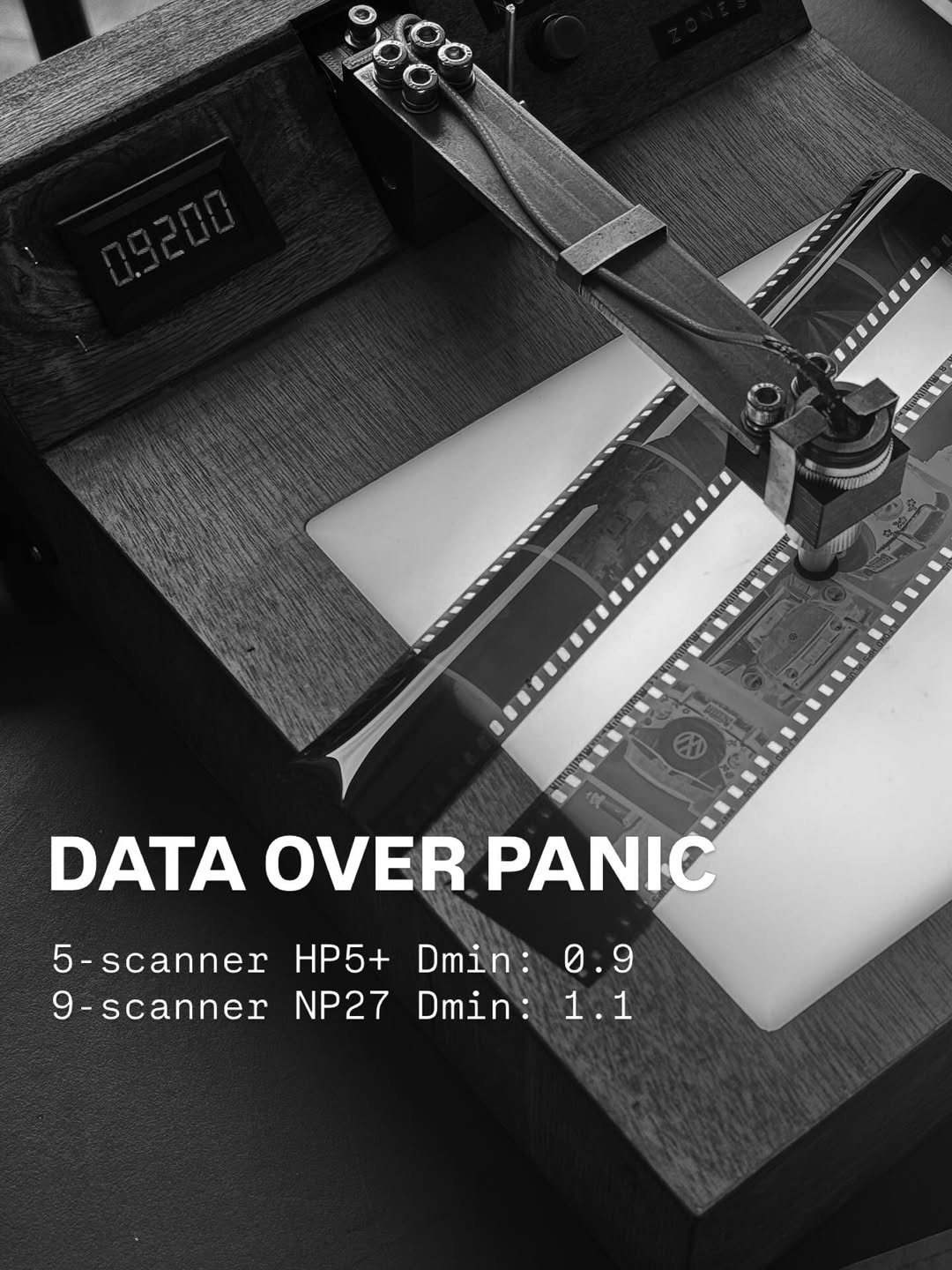
- HP5+ Dmin: 0.92
- ORWO NP27 Dmin: 1.1
The gap between the victims is only 0.2 density.
ID-68 isn’t just a developer; it is a chemical exorcism.
The Logic
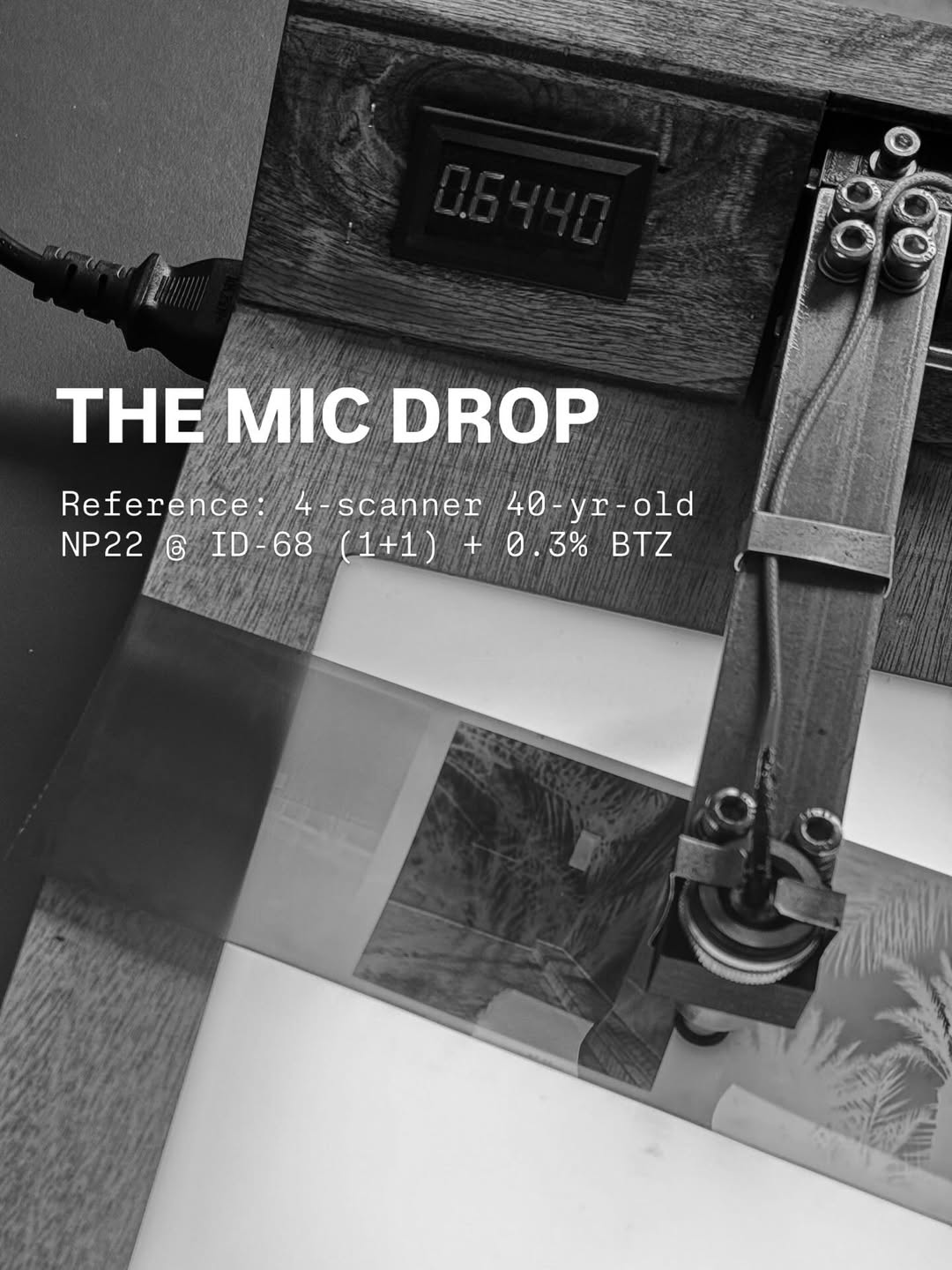
Base Fog isn’t an act of God, it’s a variable we can control. To put this in perspective, these results were compared to a reference: test from our archives: a 40-year-old ORWO NP22 exposed to 4 airport scanners and developed in the same ID-68 (1+1) but with 0.003% solution Benzotriazole (BTZ) added as a restrainer.
Dmin (Base Fog) comparison:
- Fresh HP5+: 0.92
- 40-yr-old NP22: 0.64 Dmin
A 40-year-old “dead” film could be physically clearer than a fresh roll of Ilford.
The Verdics
The “Airport Panic” treats the X-ray like a death sentence. Our densitometer proves that we are in control.
Knowledge is your best lead bag, but a hand-check is still your best defense. Always ask the authorities at the airport to hand-check your film.
But if they refuse? We’ll see you arround.
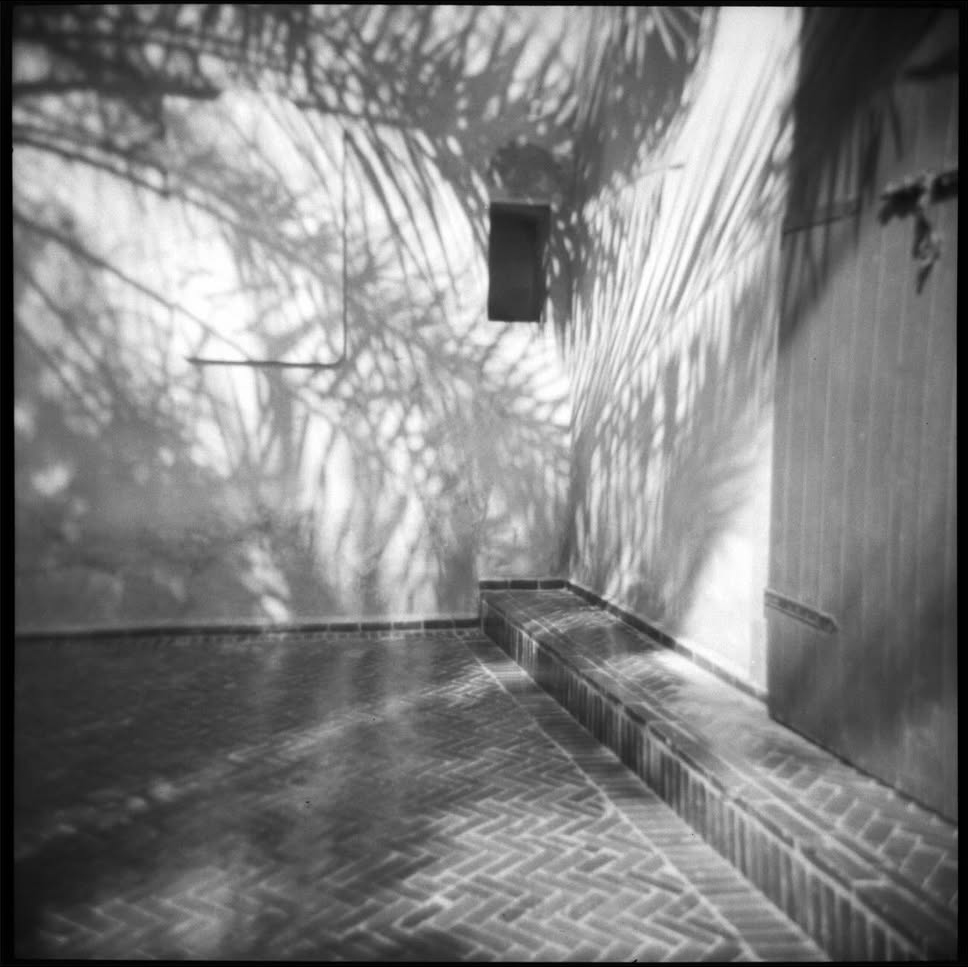
Shot by Ivicha on 40-years-old NP22 @ ID-68 (1+1) + 0.003% BTZ

Leave A Comment